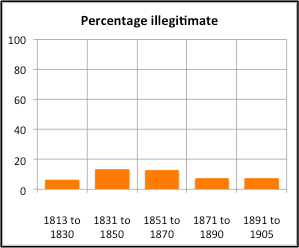
In the records of headstone inscriptions for St. Michael’s churchyard in Lichfield, we find the following entry.
Sacred to the memory of Elizabeth Logan who died February 28th 1878. Having acted with Miss Nightingale in the Crimea on her return she followed the profession of sick nurse for which she was eminently qualified by her skill and experience. A strong sense of duty and great kindness of heart. No one who witnessed her self—denying exertions in aid of suffering humanity could ever forget them. Well done good and faithful servant. Thou hast been faithful over a few things, I will make thee ruler over many things. Enter thou into the joy of thy Lord.
The burial register tells us that she was 66 when she died and the register and lived on Dam St. In the 1861 census she is recorded as a nurse, lodging with a greengrocer and his wife on Market Street. She there identifies herself as “Mrs” and her birthplace is given as Glasgow. This leads me to conjecture that she was widowed before she went to Crimea, and probably had no children, although there are lots of other possibilities of course.
In the records of Miss Nightingale’s nurses she is noted as coming from Edinburgh and having been recommended by “Dr Simpson and others and committee of Nursing home” and was “one of the very best nurses, returned on the Ottawa, July 1856”. Florence Nightingale writes of her to her friend Lady Cranworth, from the Barrack hospital at Scutari in early July 1856.
My probable last letter to you is merely to say that Elizabeth Logan, nurse, whom I have sent home by the Ottawa is, on the whole, the one I consider the most respectable and sober, efficient, kind and good of all my nurses, the one I most hope not to lose sight of, the one I have the deepest regard for. She wishes for a private situation. If she comes to you for a character, I think you may be perfectly safe in recommending her. She is an excellent nurse.
Praise indeed from such as she. We read of Elizabeth briefly again in August 1856 when she wrote to Miss Nightingale saying her wages had not been settled (one presumes by the army), and in February 1857 when she wrote thanking her “for the Sultan’s gift and for her help in securing her present agreeable situation”. Would that we knew what the gift and her situation was!
And that is about as much as we know of her. The fact that she was probably a widow with her husband’s name makes her very difficult to trace through the census and baptism and marriage registers. Indeed Elizabeth Logan is not an uncommon name in Glasgow and Edinburgh around that period. So we have no details at all of her early life, or what she did when she returned from Crimea, other than that she finished up in Lichfield. In addition, sadly, her grave can no longer be positively identified, and there are a number of broken or very worn monuments in the region where a1984 survey by the Birmingham & Midland Society for Genealogy & Heraldry (Midland Ancestors) suggests it is to be found. But the presence of her grave in the churchyard does balance to some degree the many soldiers graves found there, including of those who fought in the Crimean War.
So to end with a plea – if any reader can provide any more information about her life, it would be hugely appreciated.
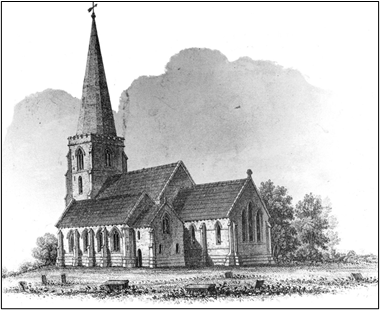
Recently, whilst searching for some lost material in the choir vestry at St. Michael’s, I came across a framed version of the picture shown above, which is one that I have not seen before. It shows a view from the north side off the church looking out over the city in 1840. In some ways it is very familiar, with the cathedral in the background, and in the middle distance, towards the left of centre, we can see St Mary’s, but without its spire that wasn’t added until the rebuilding of the 1850s and 1860s. In front of St. Mary’s, we can see the back of houses that were on Greenhill, and housing in the area that we know as Deanscroft but was more usually referred to at that time as Dean’s Croft. Indeed parts of this were still owned by the Chapter of the Cathedral in the 1840s. The Greenhill / Church St / Dean’s Croft area was quite densely populated at that time. Now that area is largely taken by the old school buildings (built in stages in the second half of the nineteenth century). The position of the cathedral and the houses enables the position of the artist to be determined fairly accurately – see the map below.
The solid red circle shows the approximate position of the artist, the open red circle the position of the Emery tomb, and the red ellipse the position of the Harrison tombs.
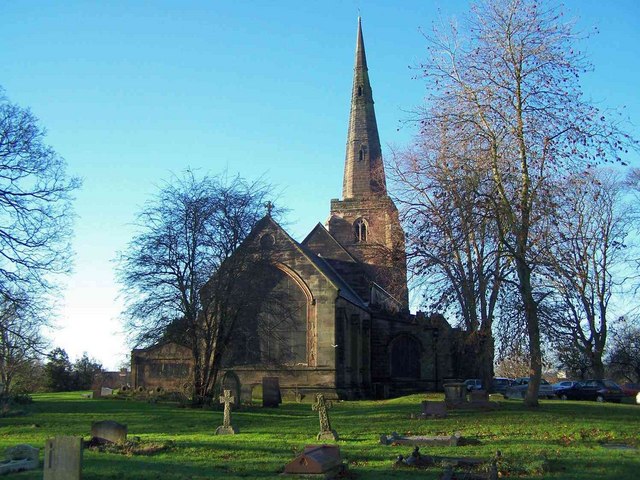
But it is in the foreground that we see the major changes when comparing this picture with what we see now, with many more graves and monuments visible than is now the case. But here all is not all that it seems. Firstly, it is puzzling that the avenue of trees that leads from the church door to the north gate is not shown. This was planted as an avenue of elms in the 1750s and should have been visible. Perhaps they obscured the view, and the artist, as was his or her prerogative, thought it best to omit them. Secondly it is difficult to reconcile the grave locations in the picture with those currently visible. A photograph that shows roughly the same view is shown below. Whilst many of the headstones were laid flat in the re-ordering of the churchyard in the 1960s, the chest tombs were generally left in position, and these have usually survived to the present day.
The current view, showing the Emery tomb to the left and the Harrison tombs to the right
What remains in today’s view is the large Emery chest tomb to the left, and the rather dilapidated row of chest tombs to the right. The details of the graves in the picture from 1840 are a little different in the photographs with different grave styles and only three graves in the row to the right, again suggesting the use of “artistic license” in the drawing. Some of the grave details are reminiscent of those on other chest tombs in the graveyard, so the artist might have been trying to capture a range of details not completely in the field of view. The ground level also appears to have changed, with a build up of the ground around the base of the tombs so that they appear lower than they did originally. This is due to many decades of grass growth and mowing, leading to a steady increase in height of the ground surface.
Returning to the graves themselves, the inscription on the Emery tomb was recorded in the 1980s as follows, although much of this is no longer readable.
Sacred to the memory of WILLIAM EMERY died December 9th 1767 aged .9 years. And of MARY his wife who died… Also of ELIZABETH and ANN daughters of WILLIAM and MARY EMERY. ELIZABETH died January 27th 1773 aged 16. ANN died…… WILLIAM who died March 12th l…„and ANN EMERY his wife died July 8th 1825 aged 66. Also JOHN son of RICHARD and ANN EMERY died January 18th 1853 aged 46. And of RICHARD EMERY who died February 23rd 1826 aged 72 also ANNE wife of above died December 17th 1863 aged 82.
Those to the right are largely of the Harrison family. Again in the 1980s the inscriptions were transcribed as follows.
Rev. JOHN HARRISON son of THOS. and FRANS. HARRISON died January 22nd 1793 aged 39. THOMAS HARRISON son of THOS. qnd FRANS. HARRISON died December 31st 1807 aged 48
Here lieth the body of ANN the wife of SAMUEL HARRISON who departed this life Jany 1st 1785 aged 48. Also near this place lies the body of JESSE DEE (brother to the said ANN HARRISON) who died June 1st 1785 aged 39
To the memory of SAMUEL HARRISON who died April 2nd 1798 aged 62.
In memory of Sarah Harrison who departed this life July 28th 1835 aged 72 years
These tombs have seen better days as can be seen from the close up picture below.
The Harrison tombs
Of course, what is also missing from the modern photograph is the sheep – the nineteenth century version of the council grass mowing machine – and the rather elegantly dressed family who are walking down the path from church. The husband and wife are very clear, but their two young children less so. In the original picture there is a similarly dressed gentleman sitting on a chest tomb that is no longer identifiable, apparently studying his laptop, although this is probably not the correct interpretation!
The churchyard of St Michael-on-Greenhill in Lichfield is one of the largest and possibly one of the oldest in the country and has long served as the last resting place of the people of the Lichfield parishes of St Michael and St. Mary. Unsurprisingly it is rich in grave memorial inscriptions that give a glimpse into the life and times of those whom they commemorate. This post will consider a number of aspects of these memorials, although space constraints mean it will inevitably be somewhat superficial and will leave much more to be said.
Context
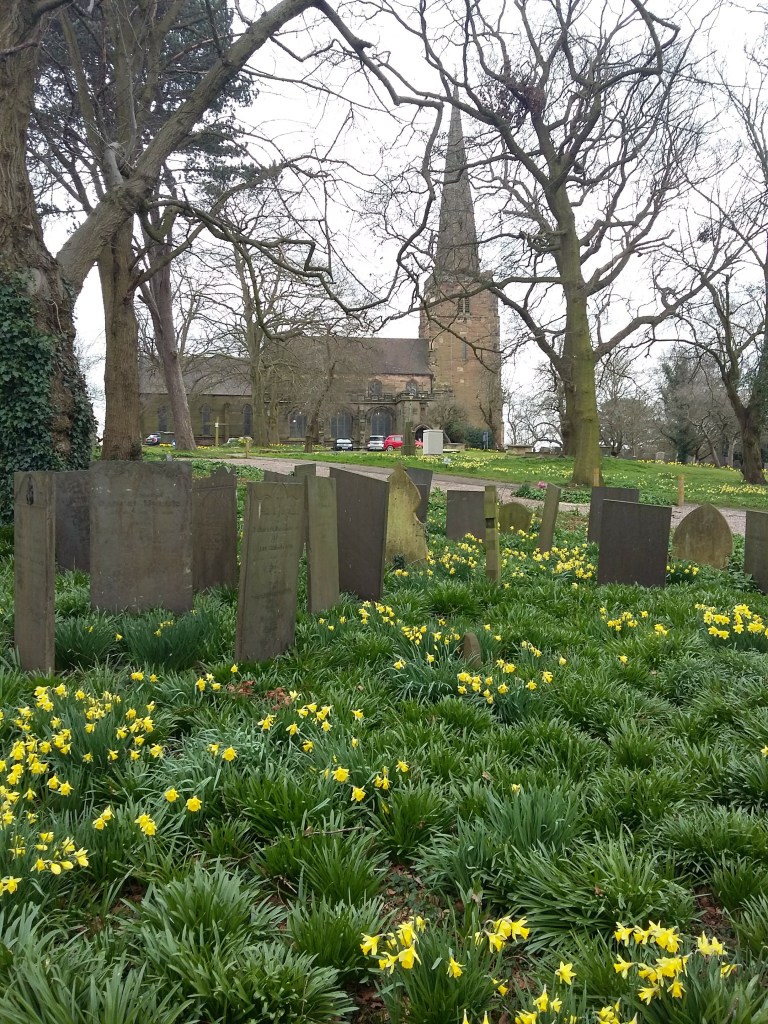
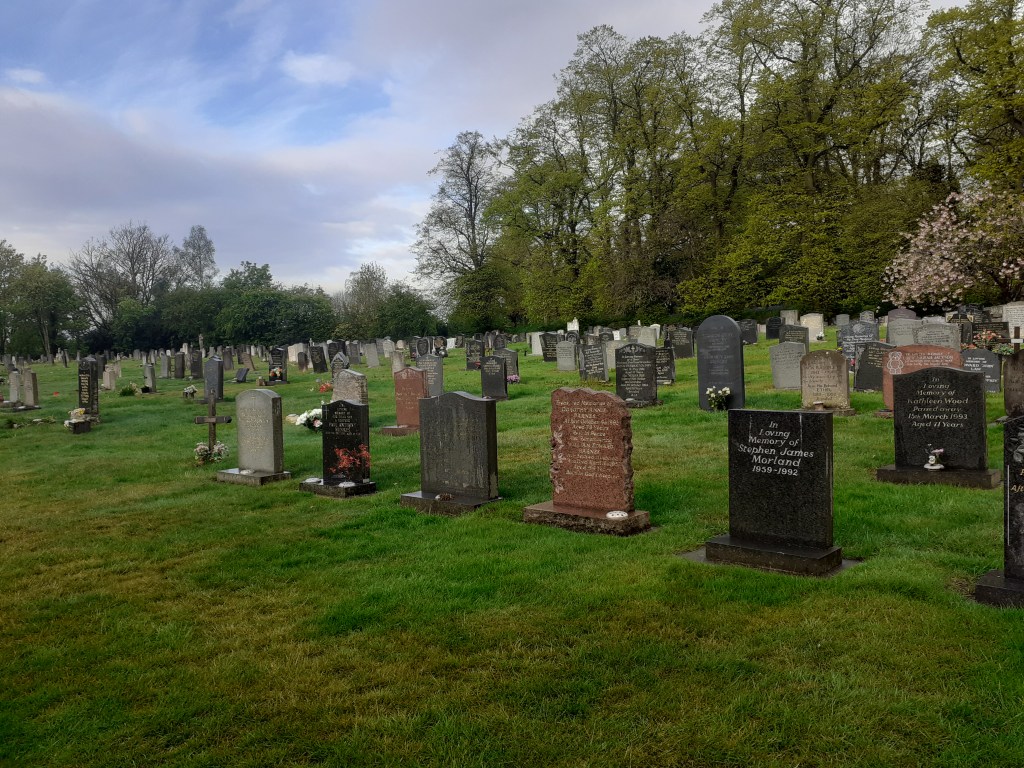
But first some context. The churchyard is effectively divided into two – the old (full and closed) churchyard around the church with an area of around nine acres, and the new churchyard to the west that is still in use, although space there is becoming limited. This post only considers the former. In the late 1960s, a major re-ordering of the old churchyard was carried out, prior to responsibility for it being taken by the local council. This involved moving many headstones into clusters and either grassing large areas of the churchyard for the purposes of maintenance or encouraging the growth of scrub and trees. This has led to it becoming something of a wildlife haven, with very many different species of plant and tree and it is highly valued as an outdoor resource by those who live locally. Before the re-ordering a survey was carried out of all the graves that were visible and 2084 graves were identified, and the names of those they commemorated were recorded dating back to the 16th century. In the 1980s the Birmingham Society for History and Genealogy carried out a major survey of all the monumental inscriptions in the graveyard, and transcribed 1562 inscriptions. Sadly, the effects of time have meant that many of the inscriptions identified in the 1960s and 1980s are now very difficult to read, and a considerable debt is owed to those who undertook the surveys and recorded the information for posterity. Indeed some of the inscriptions below can no longer be located due to the headstones being moved, and these surveys are the only record we have.
Old churchyardNew churchyardThe churchyards at St. Michael’s
There is however some reason to think that the recorded graves and inscriptions represent only a small proportion of the burials in the graveyard. Between 1813 and 1905, there are 9128 entries in the church burial register. For the same period the 1960s survey identifies 1729 burials in 1099 graves and the 1980s survey of inscriptions identified 1623 burials in 1018 graves. Doubtless some burials and graves have been lost due simply to degradation over the course of the years – both due to the effects of the climate and to human action. With regard to the latter, pictures of the church from the 1830s in the William Salt Library show a number of gravestones that seem to have been done away with in the church rebuilding in the “gothic” style in the 1840s. The Victorian restorers were far from being historically sensitive. But the large number of recorded burials in relation to the number of graves does suggest that the major proportion were in unmarked graves, which is perhaps not surprising. This number of such burials was swollen by the fact that St Michael’s was the burial ground for Workhouse residents. Thus the grave inscriptions that we have only tell us something about the levels of society that could afford the services of a stonemason.
The nature of the inscriptions
The bulk of the inscriptions have a very simple biographical form – a dedication (In memory of / In remembrance of / Sacred to the memory of etc.) followed by the full name of the deceased, an indication of where they were from, a description of death (died / fell asleep, entered into rest etc.) and a date and age of death. A typical example is that of Maria Webster.
Sacred to the memory of MARIA WEBSTER of the City who died Jan. 16 1873 aged 78 years.
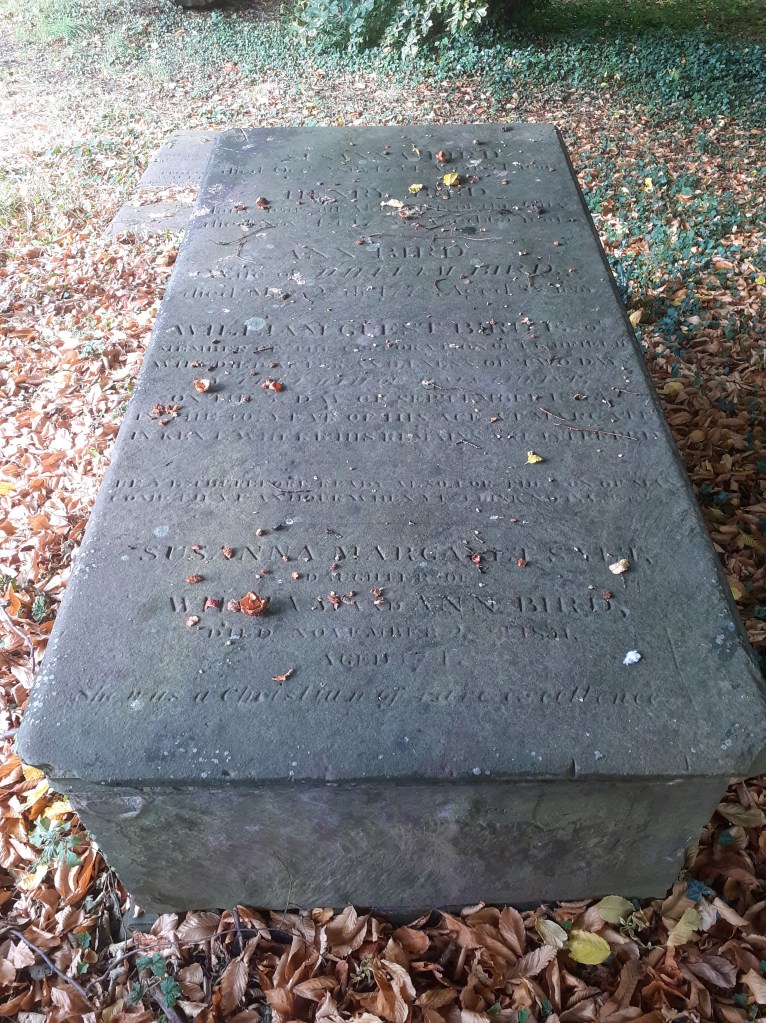
This can be repeated a number of times depending on how many are buried in the grave or commemorated on the memorial, which is not necessarily the same thing. Apart from giving names and death dates, such inscriptions are not terribly informative. Where there are numerous burials in one tomb, the inscriptions can become very complicated. For example, those the Bird family tomb has the following set of inscriptions.
SUSANNA BIRD died October 28th 1754 aged 34 years. HENRY BIRD many years an Alderman of this City died November 1st 1783 aged 65 years. ANN BIRD wife of WILLIAM BIRD died May 28th 1778 aged 28 years. WILLIAM GUEST BIRD Esq member of the Corporation of Lichfield who died after an illness of two days in the Faith of Jesus Christ on the 5th day of September 1833 in the 46 year of his age at Margate in Kent where his remains are interred. Be ye therefore ready also for the Son of Man cometh at an hour when ye think not. SlJSANNA MARGARET SALT daughter of WILLIAM & ANN BIRD died November 28th 1851 . She was a Christian of rare excellence. WILLIAM BIRD of this City died the 9th of September 1817 aged 72 years. MARY BIRD relict of WILLIAM BIRD died April 7th 1821 aged 74.
The Bird tomb
However, some memorials contain more information. Some of this is an extension of the biographical, describing the role of the deceased or the nature of their demise. In the above example Susannah Margaret Salt is described as
a Christian of rare excellence
The biographical style is particularly common for military casualties. For example, that of James Henry Thorpe which is part of a larger family inscription
…….. Also of their youngest son JAMES HENRY THORPE, Sergeant 1st South Staffordshire Regiment who fell in action at Kleine Zonnebleke, October 26th 1914 aged 26 years……….
Instead of, or as well as, such biographical information, around 180 graves give inscriptions of a pious or religious nature. These are of three forms. The first, and earliest, is in the form of a verse (I hesitate to use the word poetry, since many of the inscriptions represent crimes against the English language!) such as that for Thomas Lee.
Sacred to the memory of THOMAS LEE who departed this life December 15th 1829 aged LXX. No flattering titles deck this humble stone. This verse is sacred to the truth above. Here lies exceed the character who can. An upright Mason and an honest man…
The second is a verse from the bible, often a verse used in the funeral liturgy – such as “In the midst of life we are in death” or “Blessed are the dead which die in the Lord”. The third type is a simple vaguely religious, but non-scriptural sound phrase such as “Peace, perfect peace”, “Rest in peace” or “Reunited”.
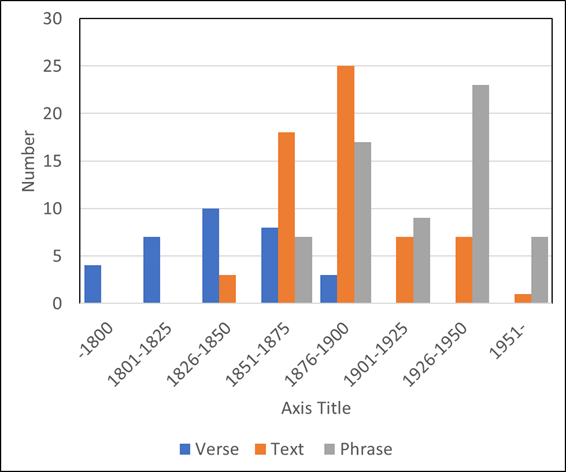
Interestingly these three types can be distinguished by the age of inscription. The bar chart below shows the raw number of each type of inscription in 25 year periods – the non-uniformity of the data is such that I have not attempted a more rigorous statistical analysis. It is clear that the verse form has maximum popularity between 1826 and 1850, the biblical text between 1876 and 1900, and the simple phrase between 1926 and 1950.
Inscription types by date
In what follows, we will first give a few of the more interesting examples of the “biography” type of inscription, and similarly give some examples of the verse form.
Biographic inscriptions
Soldiers
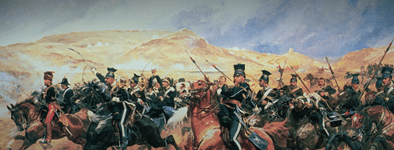
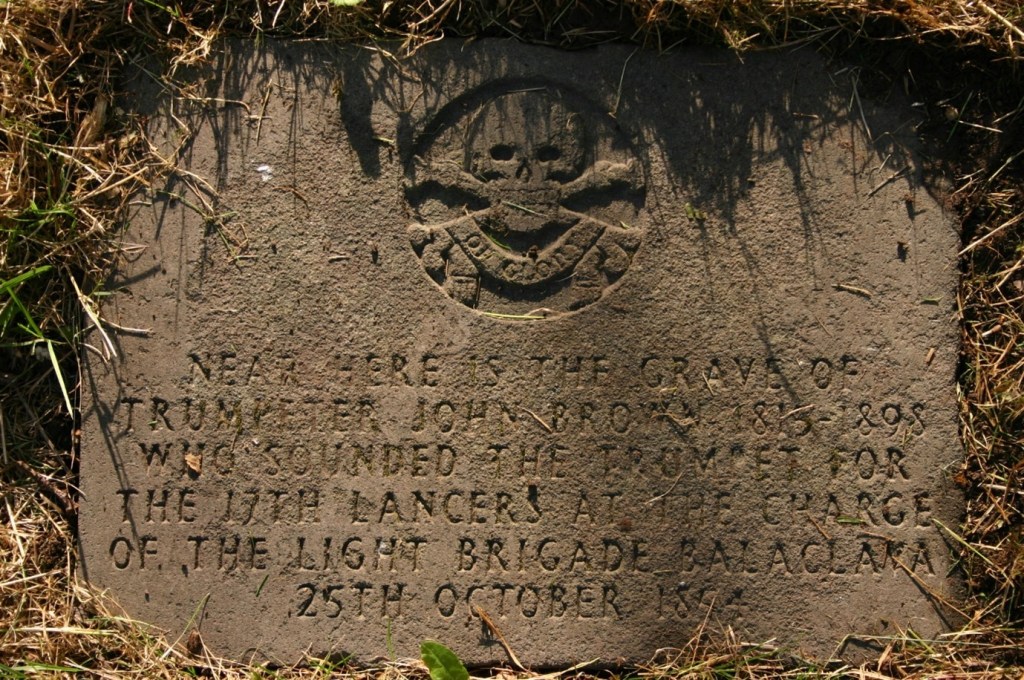
There are a number of biographic descriptions of soldiers’ lives – both those who died at an advanced age and those who dies on active service. Perhaps the most visited of the memorials is that of Trumpeter John Brown, who served in the Crimean War.
Near here is the grave of Trumpeter JOHN BROWN 1815—189B who sounded the trumpet for the 17th Lancers at the Charge of the Light Brigade, Balaclava 25th October 1854.
Trumpeter Brown Memorial
More details of Trumpeter Brown can be found here. A number of Lichfield soldiers were killed in the first and second world wars and these are memorialized both on individual gravestones and on the Commonwealth War graves memorial. These include the following.
….. In Ioving memory of FRANK STANDLEY BUTLER 1st/ 8th Royal Warwicks who fell in action in France August 17 1917 aged 20 years.
…… Also FRANK LARKIN his brother Lance Corporal 1st North Staffs. Regiment who fell in action at Ypres July 9th 1915 aged 31 years. Also of MERVIN GODFREY LARKIN brother of the above born September 22nd 1888 who fell in action in France March 14th 1917.
,,,,Also his brother L/Cpl GEORGE WOLFE 6th North Staffs. Regt who made the supreme sacrifice at Caen Aug 15th 1944 interred in Grand Aunay British Cemetry France aged 23 years.
It is hard to imagine how the deaths of two sons affected the parents of Frank and Mervin Larkin.
Civic officials
A number of civic officials are buried in the graveyard, including former Mayors of Lichfield. The memorial to Alderman Joseph Raby from 1916, Mayor in 1915 also contains memorials to his wife who dies in 1938 and to his son who died in action in an unspecified location in 1918.
In loving memory of Alderman JOSEPH T. RABY, J.P. , F. J . I. Mayor of Lichfield 1915—16 called suddenly to rest May 30th 1916 aged 62. Also HANNAH his beloved wife died April 22nd1938 aged 86. Also Pte. HORACE S. RABY beloved son of the above who died November 8th 1918 aged 26 years.
The memorial to Robert Bridgeman, a sculptor by profession, contains both his biographic details, a short non-scriptural phrase, memorials to the death of his son in the first world war; and also the memorials to another son who was also mayor, and to that son’s wife, and is a good example of how complex the inscriptions can become.
ROBERT BRIDGEMAN, Sculptor. Sheriff and twice Mayor of this City departed this life March 1st 1918 in his 73rd year. After life’s fitful journey may he rest in peace. ROBERT GEORGE BRIDGEMAN Serge. Royal Engineers killed in action in France Nov. 5th 1916 aged 24. SARAH ANN wife of JOSEPH HENRY BRIDGEMAN died April 18th 1948 aged 83 years. JOSEPH HENRY BRIDGEMAN twice Mayor and also Sheriff of this City died February 24th 1951 aged 80 years.
Church officers and clergy
A number of church officers and clergy have memorials in the churchyard, The oldest of these is to the father and the son both named William Clarke, long term clarkes of the church. The death dates assigned when the stone was restored in 1870 were 1525 and 1562, although I have argued elsewhere that this is probably a misreading and they should be a century later.
Here lyes the body of WILLIAM CLARKE who was clarke of this church 51 years and buried March 5th 1525(?) aged ??. Here lies the body of William Clarke clarke of this church 71 years who died September 26th 1562 aged 86. Restored 1870
The two churchwardens that are explicitly mentioned are George Andrews and William Treadgold, the latter being warden at St. Mary’s rather than St. Michaels. There are however others buried in the churchyard who are not so identified – for example William Durrad, Lichfield’s first Station Master.
In loving memory of GEORGE ANDREWS sometime churchwarden of this parish born December 31st 1828 died July 24th 1905. Also of CATHERINE ANDREWS his widow born April 20th 1826 died April 24th 1909.
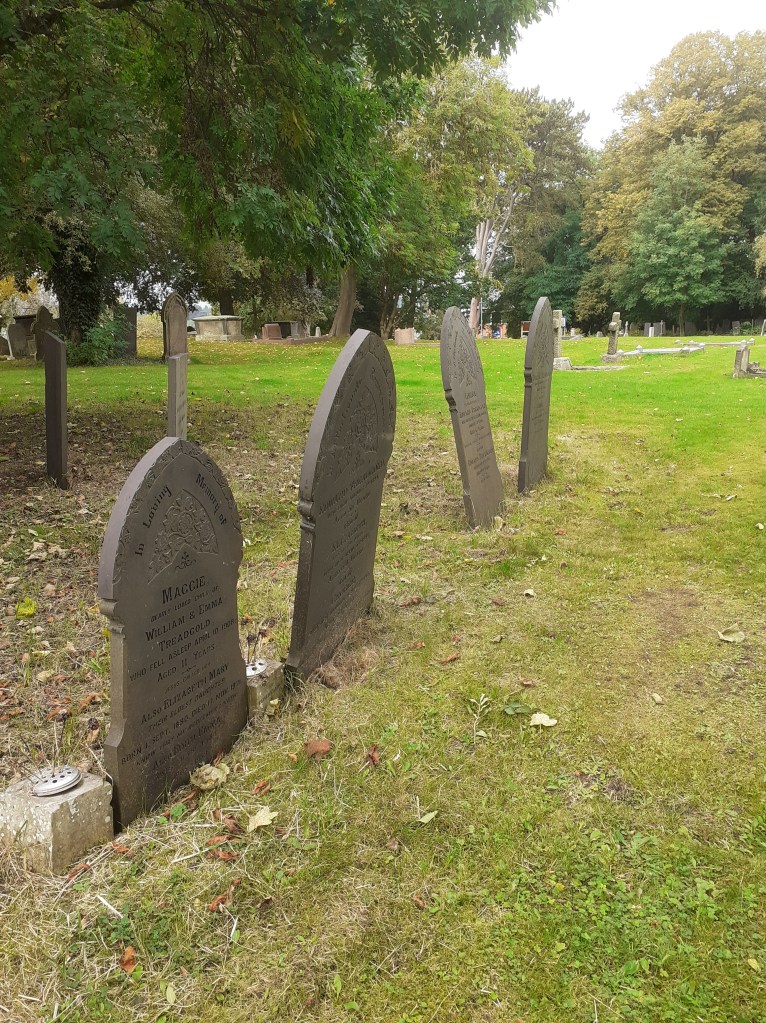
In loving memory of EMMA wife of WILLIAM TREADGOLD who died April 2nd 1935 aged 75. Also of WILLIAM TREADGOLD Churchwarden of St. Mary’s, Lichfield, who died September 1st 1944 aged 81.
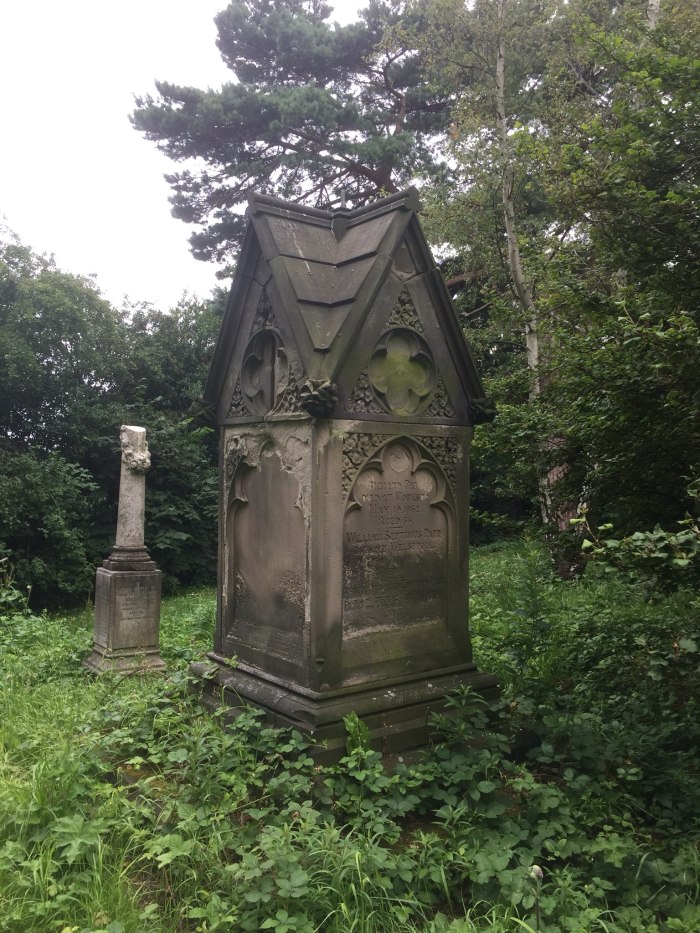
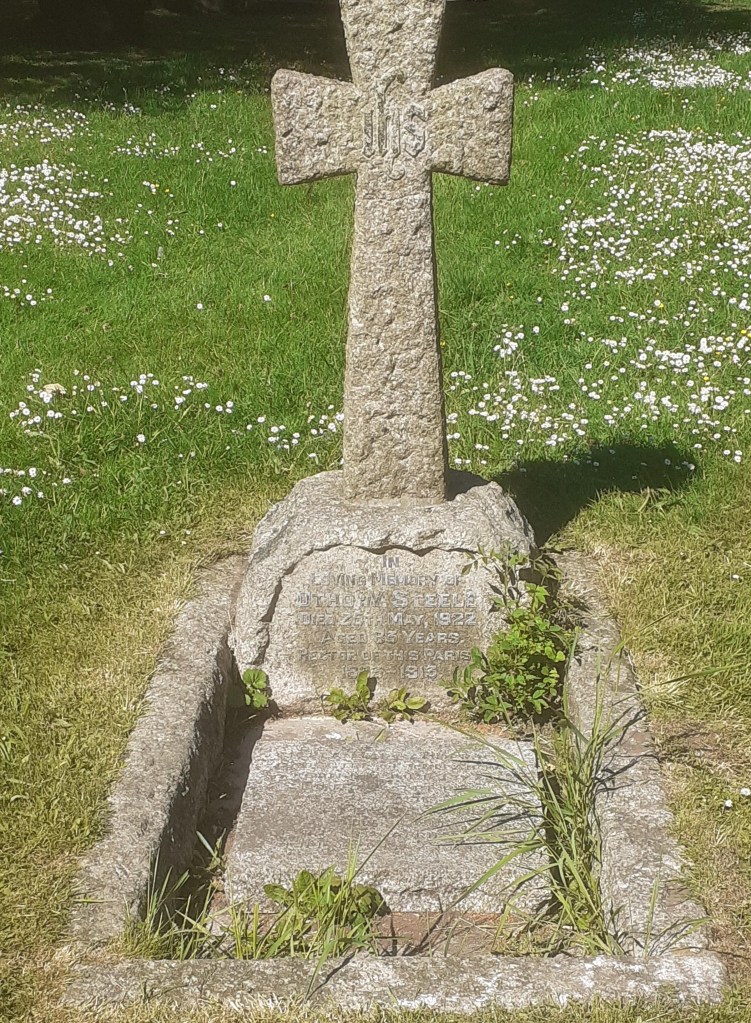
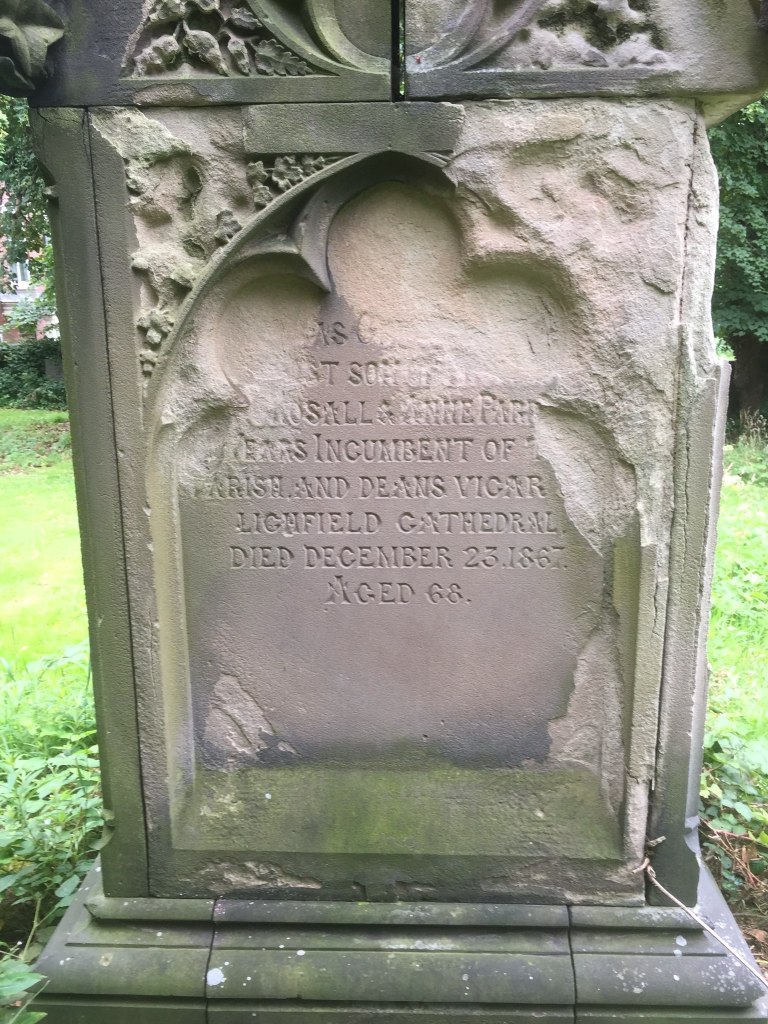
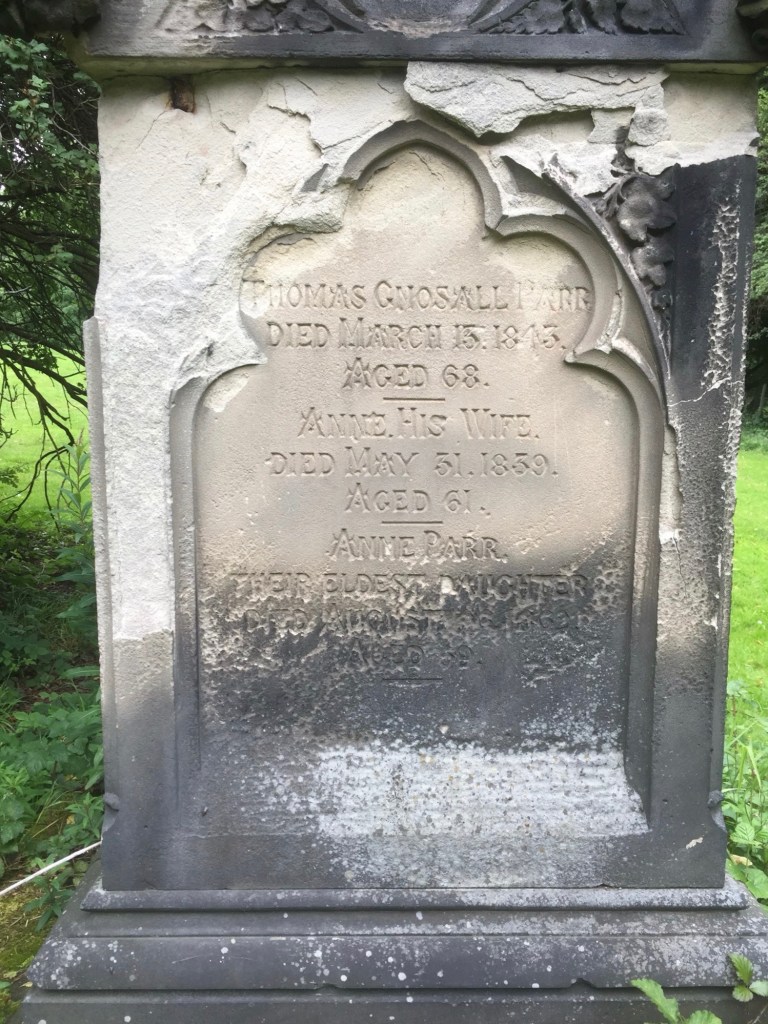
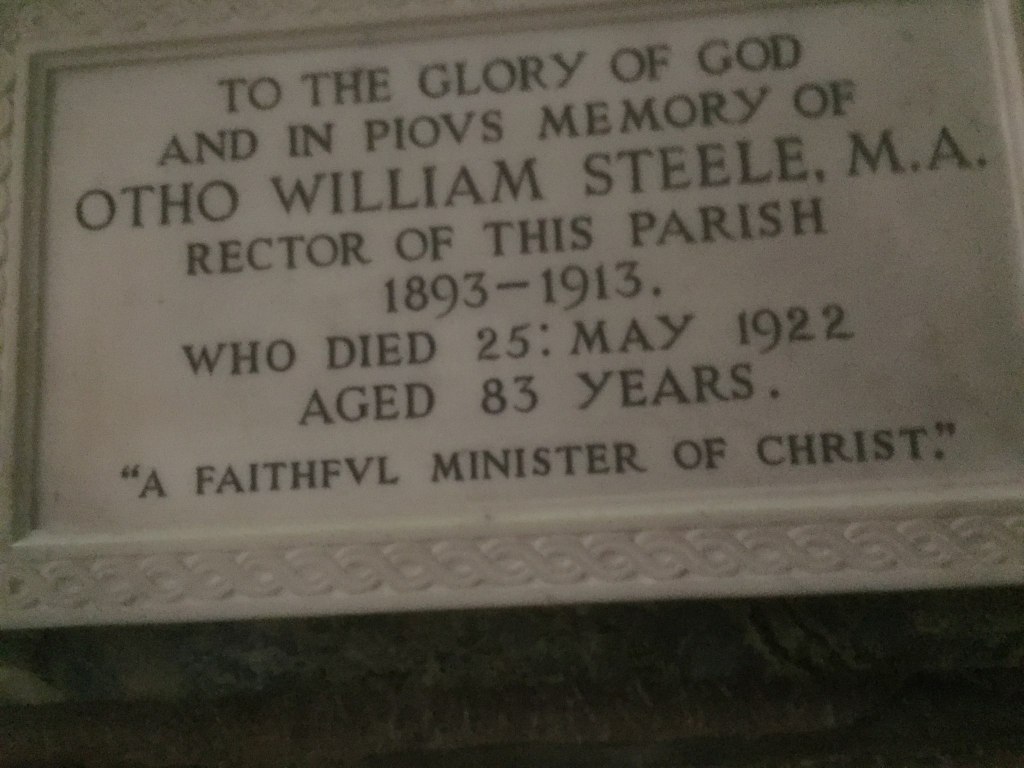
Four of the first five rectors of the parish are buried in the churchyard – Thomas Gnossall Parr, James Serjeantson, Otho Steele and Percival Howard. The inscriptions on the graves of Parr, Steele and Howard are given below. Only the names of the Serjeantson grave were recorded in the 1960s survey and tnis was not recorded at all in the 1980s. The story of these rector’s is told elsewhere.
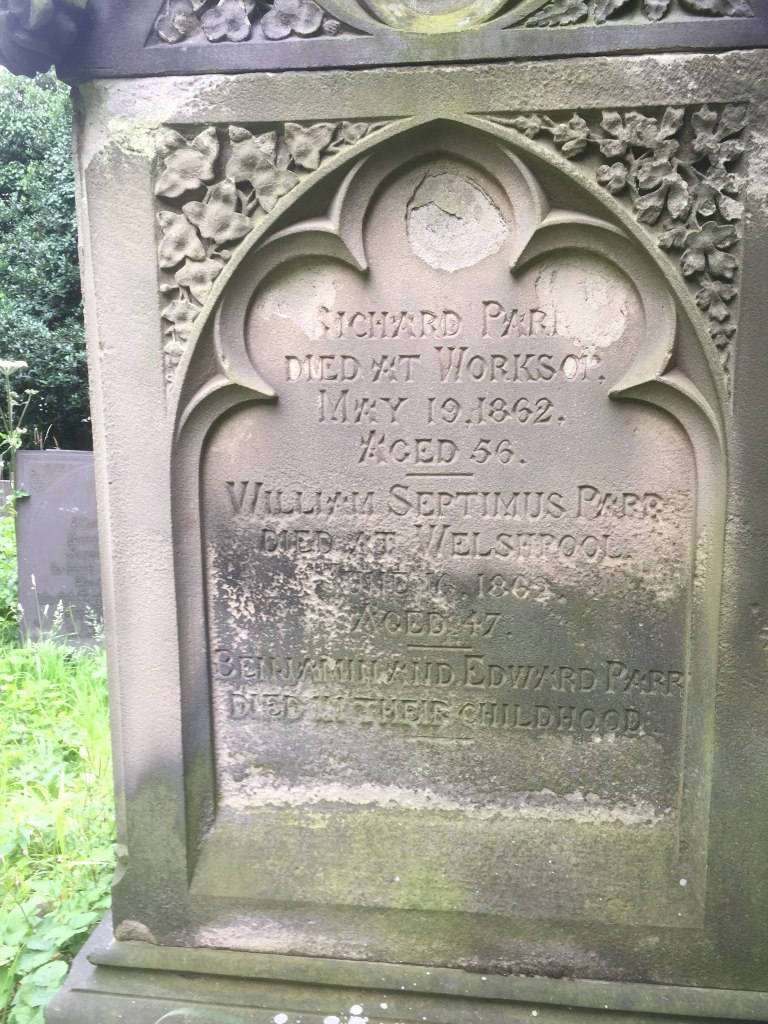
THOMAS GNOSALL PARR died March 13th 1843 aged 68. ANNE his wife died May 31st 1839 aged 61. ANNE PARR their eldest daughter died Aug…. 1862 aged 59. THOMAS GNOSALL eldest son of THOMAS GNOSSALL and ANN PARR…years, incumbent of this parish ………and Deans Vicar of Lichfield Cathedral died December 23rd 1867 aged 68. RICHARD PARR died at Worksop May 19th 1862 aged 56. WILLIAM SEPTIMUS PARR died at Welshpool June 16th 1862 aged 47. BENJAMIN & EDWARD PARR died in their childhood.
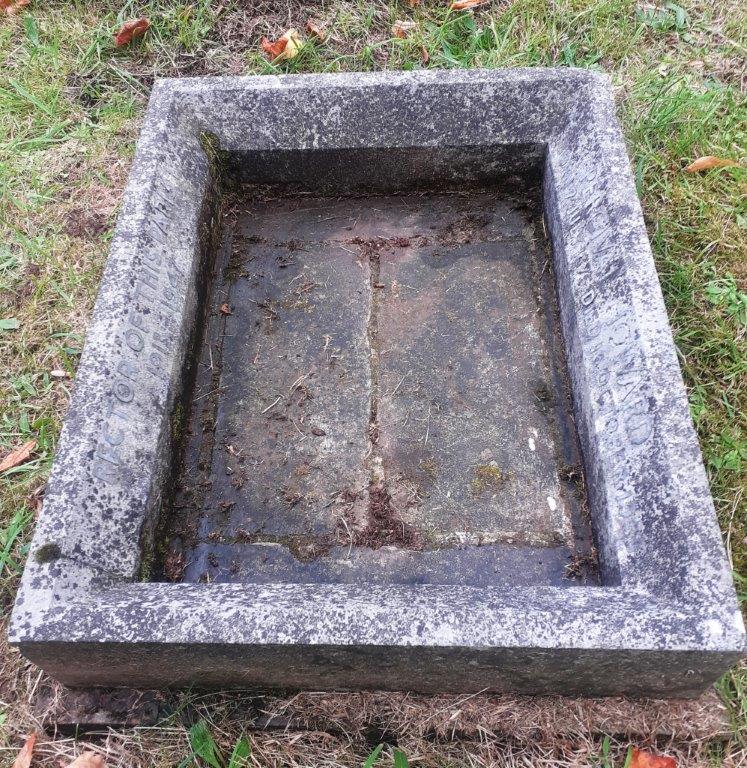
In loving memory of OTHO W. STEELE died 25th May 1922 aged 83 years. Rector of this Parish 1893-1913. CICELY MARY ANDERSON daughter of the above born 11th June 1877 died 2nd Sept. 1972. HENRY STEWART ANDERSON, C.M.G. , R. A.M. C. born 15th April 1872 died 12th May 1961.
PERCIVAL HOWARD born 7 July 1875 died 16 October 1955. Rector of this Parish 1913—1947.
Of the different types of inscriptions, those in memory of children are the most poignant, and given the high incidence of child mortality up to the start of the twentieth century, the most common. A few illustrations are given below. The first, for Tabitha Morley, quotes a saying of Jesus, that refers to a dead child he brought back to life. The second and third record multiple childhood deaths in the same family.
Sacred to the memory of TABITHA the only and dearly beloved child of SAMUEL MORLEY Vicar of Warslaw—cum—Elkstone in this County and SARAH his wife. She died in her infancy 15th day of July 1861. She is not dead, but sleepeth.
In affectionate remembrance of the beloved children of JOSEPH and ANN ALLTON. JOSEPH who died June 12th 1855 aged 14 years. ELIZA ANN who died December 22nd 1856 aged 3 years 8 months and WILLIAM ALFRED who died June 7th 1862 aged 18 years. Also of three others who died in their infancy.
In memory of dearly beloved children of HERBERT & HARRIET LARKIN. AMY born October 24t 1872 died September 24th 1896. KATE ELLEN born September 30th 1877 died March 23 1897. WILLIAM HENRY born June 11th 1875 died April 8t 1876. FLORENCE born December 23rd 1878 died September 23 1879. LUCY DOROTHEA born September 21st 1885 died October 26 1886.
Others
There are a number of other interesting biographical descriptions in the churchyard. Firstly that of Elizabeth Logan. Her story perhaps to be told more fully.
Sacred to the memory of ELIZABETH LOGAN who died February 28th 1878. Having acted with MISS NIGHTINGALE in the Crimea on her return she followed the profession of sick nurse for which she was eminently qualified by her skill and experience. A strong sense of duty and great kindness of heart. No one who witnessed her self—denying exertions in aid of suffering humanity could ever forget them. Well done good and faithful servant. Thou hast been faithful over a few things, I will make thee ruler over many things. Enter thou into the joy of thy Lord.
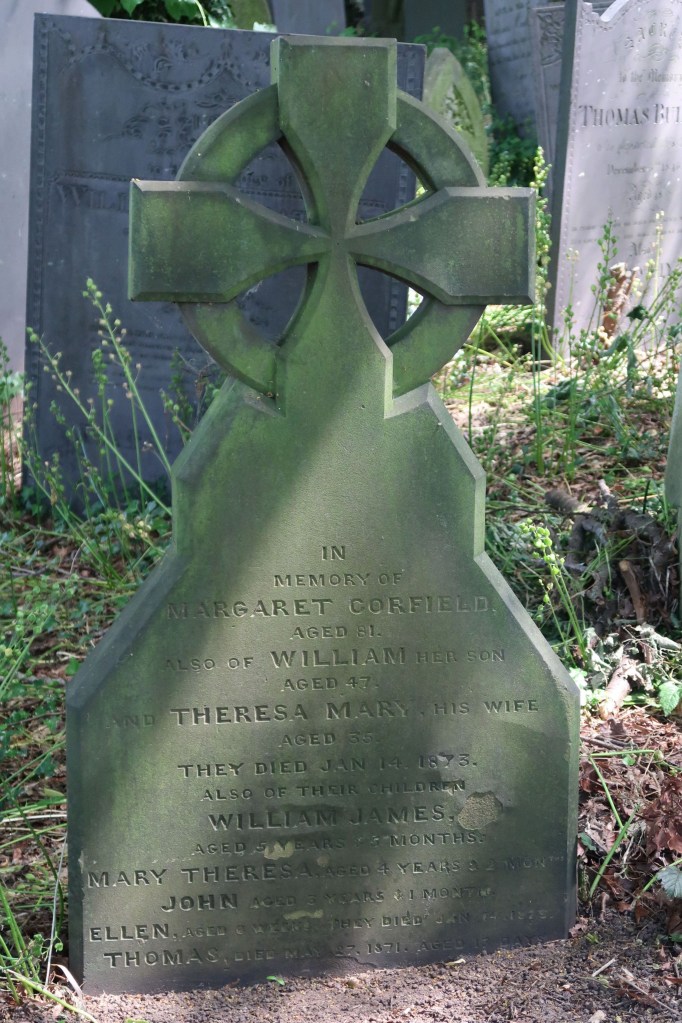
The Corfield memorial is at first sight a simple family biographical memorial, until one realizes that nearly all of them died on the same day. This was the result of a fire in a house on Breadmarket Street in 1871 (next to the Johnson House) that resulted in William Corfield, his mother, his wife and his four children all suffocating due to smoke inhalation. A large crowd attended the funeral and the whole incident was covered in detail by the press.
In memory of MARGARET CORFIELD age 81. Also of WILLIAM her son age 47 and THERESA MARY his wife age 35. They died January 14th 1873. Also of their children WILLIAM JAMES age 5 years and 5 months. MARY THERSA age 4 years and 2 months. JOHN aged 3 years and 1 month. ELLEN age 6 weeks. They died January 14th 1873. THOMAS died May’ 27th 1871 age 17 days.
The Corfield Grave
Family Groups
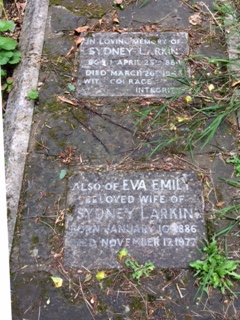
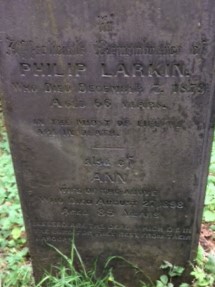
There are a number of family groups of graves in the churchyard. The most prominent of these are those of the Treadgolds, with thirteen burials in six graves between1894 and 1971, the Gilberts, with thirty two burials in nineteen graves between 1790 and 1904, and the Larkins with forty three burials in 18 graves between 1827 and 1977. These include the grave of Sidney and Eva Larkin, the parents of the poet Philip Larkin, who famously once said of Lichfield ‘God, this place is dull’. Behind Sidney and Emma’s grave is the memorial to another Philip Larkin who died in 1878. The story is told that when the 18-year-old poet came across this gravestone, he was understandably perturbed and wrote to a friend, ‘I reeled away conscious of a desire to vomit into a homburg hat’.
TreadgoldThe parents of Philip LarkinThe older Philip LarkinThe Treadgold and Larkin Graves
Verse inscriptions
A number of verse inscriptions are given below. It is very easy to be rude about the quality of both the rhyme and the rhythm of these verses – and indeed I have been so above. But nonetheless they were chosen by relatives of those who are buried in the churchyard and must express at least something of what they wished to say. So, whilst 200 years on, we may be amused by what is written, it is perhaps important not to be too critical and scornful.
Early deaths
A number of the verse inscriptions refer to early and sudden deaths – often as dire warnings for those who follow to prepare themselves for a similar fate.
Sacred to the memory of ANN RILEY who died October 28th 1838 aged 75 years. Also of ROBERT RILEY who died May 24th 1843 aged 81 years. Sacred to the memory of SARAH RILEY who died September 18th 1825 aged 28 years. Lost in the bloom of life lamented maid. Sweet by thy slumber in death’s dreary shade. And when thou leav’st thy lowly bed of rest. O may’st thou mount and mingle with the blest.
In affectionate remembrance of WILLIAM HITCHINS who died December 27th 1867 aged 21 years. He sleeps in Jesus. Also of JOHN HENRY HITCHINS who died October 5th 1869 aged 23 years. Weep not for me my mother dear. I am not dead but sleeping here. My end you know, my grave you see. Prepare therefore to follow me.
In affectionate remembrance of HARRY ALLEN MOONEY who died June 30 1883 aged 20 years. Death to me no warning gave. Therefore be careful how you Iive. Prepare in time make no delay. For no one knows their dying day.
Sacred to the memory of SUSAN daughter of WILLIAM and SUSANNAH ROGERS who died Feby 28 1843 aged 19. Also of two sons and one daughter who died infants. Ye, who with youthful steps, now lightly tread. O’er these green hillocks of the unconscious dead. Pause a few moments at this lowly tomb. And learn — an early death may be thy doom. Sacred to the memory of WILLIAM ROGERS who died July 29th 1864 aged 82. Also of SUSANNAH his wife who died April 3rd 1866 aged 83.
Husbands and fathers, wives and mothers
The verses for family members are often quite sad and reflective whilst describing the attributes of the deceased.
Sacred to the memory of JOHN HILL late of the Scales in this City who died April the 27th 1809 aged 66 By sudden death, he was deprived of life. Left years, son and daughter, and a faithful wife. Who mourn his loss and hope his sours on high. With Jesus Christ above the starry sky. His near relations do his fate bemoan. And to his memory have placed this stone.
In affectionate remembrance of WILLIAM BOOTH who departed this life April 5th 1876 aged 67 years. Dear wife and children do not weep. Whilst with the dead do sleep. A troublesome world I left behind. A crown of glory I hope to find.
In memory of ANN the wife of GEORGE GILBERT who died November 2 1824 aged 57 years. and of two children who died in their infancy. A faithful wife in silence slumbers here. A tender mother and a friend sincere. While living just, industrious and kind. A loss to all her friends she’s left behind.
Sacred to the memory of HANNAH wife of JAMES DABBS who died March 15th 1834 aged 48 years. A long affliction I do bear. Physicians were in vain. Till God did please to summons me. And ease me of my pain. Sacred to the memory of PHILIP SALT who departed this life January 29th 1823 aged 46. Also SARAH his daughter who died May 16th 1834 aged 23.
From the early 18th century until 1867, the clergy at St. Michael’s were “perpetual curates” – appointed by the incumbent of St. Mary’s. These were paid a cash stipend, but had no income from tithes and glebe lands, and were often of lower social standing than Rectors. At the start of December 1867, the then perpetual curate, Thomas Gnossall Parr, who has been in post as a Perpetual Curate since 1831, was made the first Rector of the parish. He was not to enjoy that title for any length of time and fell ill and died shortly afterwards on December 23rd1867.
He was succeeded in June 1868 by the first to actually be appointed to the post of Rector – James Jordan Serjeantson (pictured). Serjeantson was born in Liverpool in 1835, the son of a Liverpool merchant and an Irish mother and attended Liverpool Grammar and Rugby Schools. In 1854 he matriculated at Trinity College in Cambridge and was awarded his BA in 1858 and his MA in 1861. He was a rowing blue and part of the University crew that lost the boat race in 1857 by 11 lengths. There have only been six larger losing margins in the 190-year history of the race, so I doubt it was an experience he relished. He was ordained deacon in 1859 and priest a year later, both at Lichfield Cathedral. He served a curacy at Stoke from 1859 to 1868 before coming to St. Michael’s. He left Stoke in June 1868 to high praise from his incumbent and the Archdeacon, with gifts (including a hall clock) from parishioners and Sunday School children. He married Elizabeth Buckley, a clergyman’s daughter in August that year and they were to have seven children.
It is clear from the records we have that he was an assiduous, hard-working parson, much admired and respected by his parishioners. In June 1877, he notes in the service register that “this is the 1000th sermon I have preached in this church”. In June 1983, he was to write again “this is the 2000th sermon I have preached in this church”. This is an average of around 130 per year! Some indication of his activities can be judged from the activities of Holy Week in 1882 shown below. In total there were 16 sermons or addresses that week, all preached by Serjeantson. His sermons were very practical and he made no claim to eloquence, but were much appreciated by his congregation. It would seem he was quite blunt in his manner, not afraid to call a spade a spade, but was nonetheless admired for his straightforwardness.
He presided at the pastoral offices – 1123 baptisms, 1189 marriages and 215 funerals in total over the years of his incumbency and also presented 20 to 30 young people each year for confirmation. One of the more memorable funerals was that of William Corfield and his wife Theresa, his elderly mother and four young children who all died from suffocation in a house fire on Breadmarket Street, next to Dr Johnson’s birthplace in January 1873. The press reported that James Serjeantson’s voice trembled with emotion as he read the words of the funeral service around the grave before the coffins were lowered one by one.
Theologically, he seems to have been very much against the ceremonial associated with the Anglo-Catholic Oxford movement and is recorded as a signatory of a letter of 1875 to the bishops that argued against legalizing the use of eucharistic vestments and the eastward position for celebrating the eucharist. Some aspects of current worship at St. Michael’s would have certainly made him uncomfortable! The service register indicates he was a strong supporter of the Melanasian Mission, formed by Bishop Selwyn, the former Bishop of New Zealand, and indeed one of his curates, Rev John Still (1869-1871), left Lichfield to become a missionary in the South Pacific, at a time just following the martyrdom of Bishop John Patteson in the Solomon Islands.
Serjeantson had gifts other than his preaching and pastoral abilities. Within twelve months of arriving in the parish he was awarded the prize for the best variegated geraniums at the annual flower show (which almost certainly didn’t go down well with some of the more established exhibitors!) and he was also the founder and a valued member of the bell ringing team. His name can still be found on a number of memorial boards in the belfry, that commemorate the ringing of specific peals – for example he was part of the team that rang a complete peal of Grandsire Minor in 1876. He was a very knowledgeable naturalist, who initiated a scheme for replacing dead trees in the churchyard; an amateur astronomer (possessing his own telescope), and as a historian he was well acquainted with the church records. In short he was something of a polymath. He also served as a Workhouse Guardian and took an in various educational initiatives within the city.
In 1881 he and his wife, their two sons, Cecil (10) and Ronald (7), and three daughters, Mildred (5), Edith (3) and Monica (1) lived at the Rectory on Mount Pleasant, with a housekeeper, cook and two servants. Two other children died as babies – Edward in 1870 and Joyce in 1884.
He died on New Year’s day 1886 and was buried four days later, with the funeral being taken by the Vicar of Stoke on Trent and the Vicar of St Mary’s, with the Bishop of Lichfield presiding at the graveside. His passing was very extensively covered in the local press, with full obituaries and even the full text of memorial sermons! His final illness seems to have been short – he was still presiding at funerals two weeks before he died. Elizabeth was to outlive him by 33 years. Their graves, and the graves of their infant children, are, at the time of writing, currently inaccessible in the very overgrown area at the east of the old churchyard. I have not succeeded in identifying them, although I have received many bramble scratches in the trying.
But James Serjeantson does have other memorials. A fountain on Greenhill that was erected in his memory in 1886 contains the inscription
Erected by parishioners and friends in grateful and loving memory of the Rev J J Serjeantson MA, Rector of St. Michael’s, Lichfield.
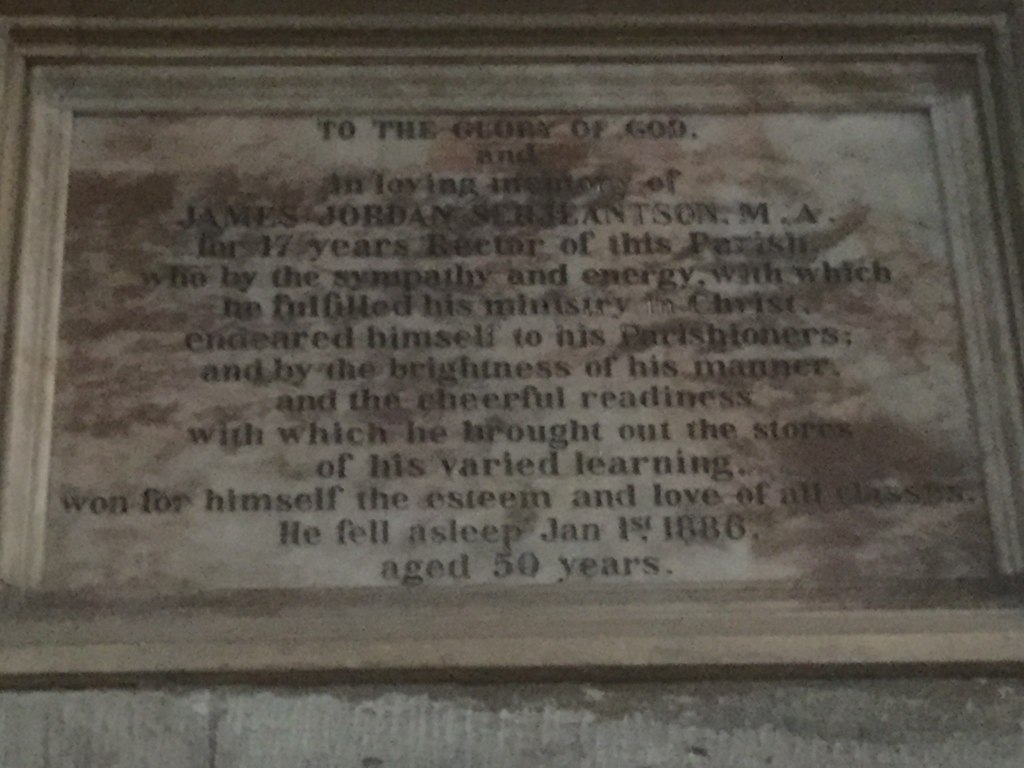
In addition, a plaque in the chancel at St. Michael’s reads
To the glory of God and in loving memory of James Jordan Serjeantson M.A. for 17 years rector of this parish who by the sympathy and energy with which he fulfilled his ministry on Christ endeared himself to his parishioners and by the brightness of his manner and his cheerful readiness with which he brought out the stores of his varied learning won for himself the esteem and love of all classes. He fell asleep January 1st 1886 aged 50 years.
Both memorials speak eloquently of the high esteem in which he was held in the church and the city and the love that his parishioners felt for him. He perhaps deserves more recognition as the first to be appointed Rector of the parish.
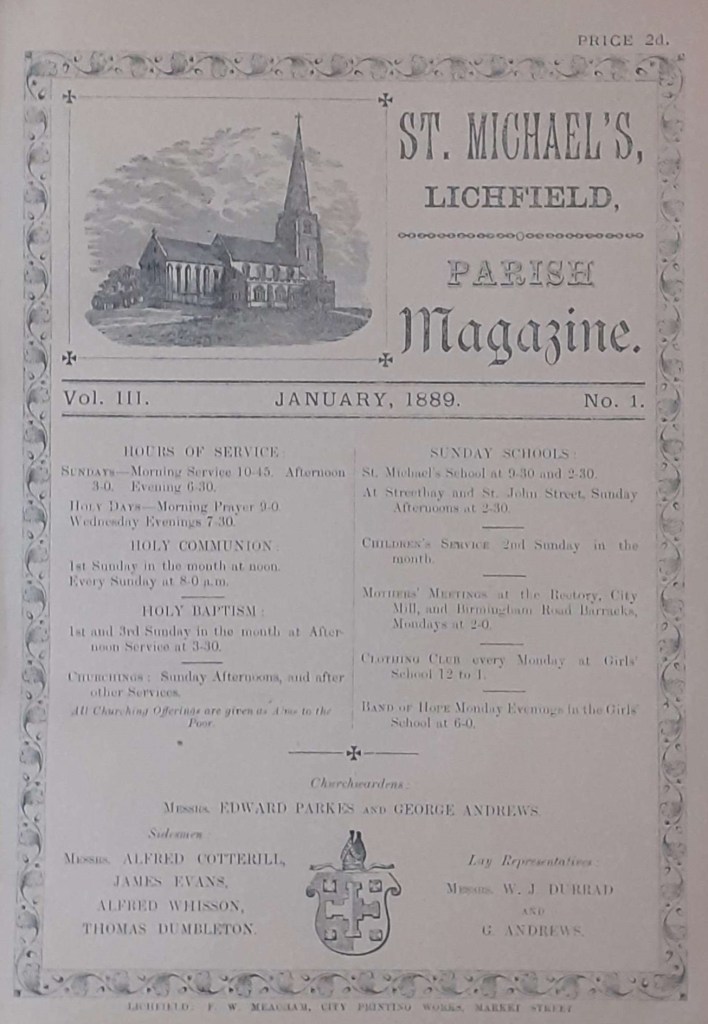
I have recently come across a bound copy of the church magazines from 1889 to 1892. In this article I will share some items of interest that I found there – some that will describe situations that will be very familiar to the current congregation and some that are rather strange in modern terms.
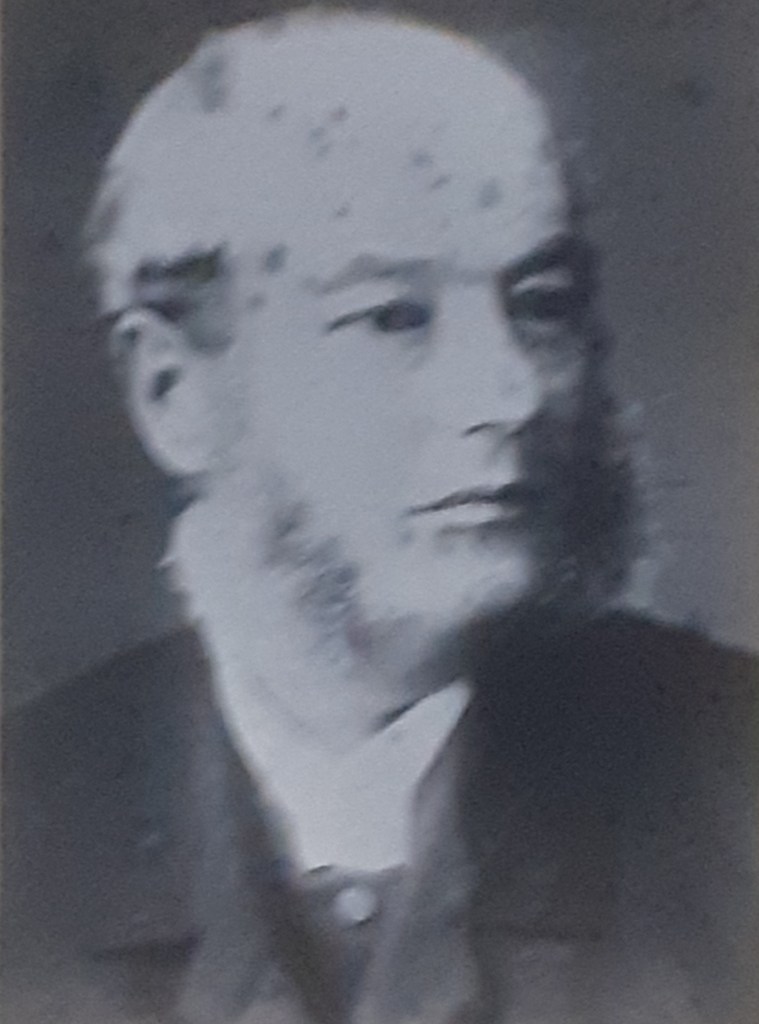
The vicar for those years was the Rev. Cyril Hubbard, an old Etonian who the census tells us lived at the Rectory in Mount Pleasant with his wife, two children and four servants (!), and had been Rector since 1886. He seems to have been the driving force behind the magazine and wrote an article each month – a mix of devotional and news material. He was particularly concerned to increase the number of communicants, but also to repair and restore the tower and the chancel which were in a poor state of repair – more of this below. As ever, there were financial issues, and not infrequent requests for subscriptions to projects and for increased weekly offerings. In the November 1892 magazine he both announced that he was leaving the parish and also named his successor who had been appointed by the Bishop of Lichfield – Rev Otho Steele from Hanley. He was to leave early in 1893, and Rev Steel took up the post very soon afterwards. It doesn’t happen like that these days!
Rev. Cyril Hubbard
The magazine was a simple four- page affair – essentially a folded A4 sheet. There is an indication that these magazines were the first that were wholly church produced – a more generic ”Banner of Faith” magazine having been used beforehand. The front page was standard and gave details of the services and other activities. On a Sunday there were four or five services – a weekly Holy Communion at 8.00am (some things never change); Mattins at 10.45; a monthly Holy Communion at 12.00; an afternoon service at 3.00, that on various Sundays of the month included a Children’s service, baptisms, or churchings; and Evensong at 6.30.
There were also services on Wednesday evenings at 7.30 in church, and on Tuesday evenings at 7.30 in St. John’s St., and in Streethay. It is not clear where the latter were held – presumably in hired rooms? Sunday Schools were held in the School at 9.30 and 2.30, and also in St John’s St. and occasionally Streethay at 2.30. There were a number of regular Monday meetings – a Clothing Club at the School from 12.00 to 1.00, three Mothers meetings at the Rectory, City Mill, and Birmingham Road Barracks at 2.00, and a Band of Hope Meeting (a young person’s temperance society) at 6.00 in the School. On Saints’ days there was a service of Mattins at 9.00. The Rev Hubbard and his congregation were not idle!
In addition to all the above there were occasional lectures, bible studies, concerts and so on. Of particular interest were the Smoking Concerts for men, where the entrance fee was 2d, for which they received 1d worth of tobacco and the rest being spent on the hired room and heating. Newspapers and board games were provided, and those who came entertained each other with song and rhymes (in a fog of tobacco smoke one assumes). The annual Vestry meeting took pace just after Easter, for the election of Churchwardens and presentation of their accounts; and the election of sidesmen for the parish and for the surrounding hamlets – Streethay, Fulfen, Tamhorn, Freeford, Statfold and Fisherwick. Sidesmen had a more representative role in that period than their current role as being welcomers into church. The churchwardens accounts for 1890 show a total income of £204 with £70 from St. Michael’s Trust, £52 from the offertory and £45 from burial and other fees; and an expenditure of £165 with £37 being spent on the organist and choir, £51 on the Sexton’s wages; £25 on the heating and cleaning; and £18 on “making a new carriage road to the church door”. There were special collections for charities such as “Waifs and Strays”, CMS, the clothing club et.c of £32 in total.
At the start of the period covered by the magazines, both the tower and the chancel were in a poor state of repair and it had become inadvisable to ring the bells except when strictly necessary. The tower had suffered from severe settlement problems, and by late 1889 there was a wide crack in the south wall that ran the entire height of the tower and part of the spire, and the western buttresses were also in a poor state. There were also problems with the north wall, and parapets. An appeal was launched to meet the £250 required for the work, which was successfully completed by September 1891.
The chancel had been extensively modified in the 1840s, when the roof was lowered, the walls plastered, a vaulted roof added, and all the windows (including the large east window) replaced by narrow lancet windows- in an effort to restore it to some (fictional) early English style. By 1889 it was in a very poor state of repair and work clearly needed doing. Rev. Hubbard largely financed this from his own resources. The plaster was removed, a new oak ceiling added, and the east window restored to its past (and current) form. At that point there was not enough money to install stained glass, which was eventually incorporated a decade later. To the right of the altar a credence niche was created in the wall for the communion vessels. It was decorated with tiles found in a vault to the north of the altar that was entered by stairs beneath it – these tiles can still be seen. The choir were moved into the chancel, a move which gave the Rev. Hubbard some anxiety as to whether they were too remote from the congregation to properly lead the singing, and he pleaded for the congregation to join in the singing psalms and hymns. The clergy reading desk was also moved into the chancel, which gave similar concerns, although it seems that the (unamplified of course) voice of Rev. Hubbard could still be heard.
The new Girl’s school was opened with a great fanfare in July 1889 – effectively the completion of the school in the form that many older residents of the parish will have known it. The new building was the part of the school next to Church Street and connected with the 1858 building with the tower to the south of it. At the opening, children’s games were played and after a short service of dedication the building was handed over by the Hon Alfred Percy Allsop, who had served on the school management committee for a number of years and had paid for the new building. The enthusiasm was somewhat damped within a few days by the sudden departure of the much-respected schoolmaster, Mr Lasseter, following the death of his wife and his own ill health. A former pupil teacher was drafted in to keep the school running while a new master was appointed. The school accounts for 1889 show an income of £479 with a government grant of £217, school pence (from families) of £130 and voluntary contributions of £53; and an expenditure of £493, with £404 spent on teachers’ salaries. There were 107 boys on the register, 92 girls and 60 infants (who were presumably also boys and girls).
At that time most of the burials in the churchyard were in the now overgrown area next to what we call the new churchyard, and these are recorded month by month in the magazine, in much the same way as now. A couple of articles also give details of the avenue that runs up to the church from the north gate. Mr Henry C Malden, in describing his research in the parish registers, informs us that the avenue was set with elm trees on February 26th 1750 – on a “windy Tuesday”. In 1890, many of these were in poor condition and had, according to Mr Walden, felt the effects of many windy Tuesdays and seen their best days, and it was decided to replace every other one by quick growing lime trees. Of crab apples there is not a mention. Mr Malden ends his article with the words.
“Sooner or later, my readers, like them, will have seen their best days, and have their names added to the long list of those whose last home is in the old churchyard on the hill.”
And that seems a good place for me to stop as well!
The surviving grave monuments in St. Michael’s churchyard in Lichfield are mainly from the eighteenth, nineteenth and twentieth centuries, with only a very few from the seventeenth century still in existence. In the main this is simply the result of natural decay – the lifetime of stone inscriptions in the graveyard seems to be of the order of 250 years. And over the course of the churchyard’s 1500 year existence, graves must have been dug over existing graves on many occasions. But there are a few graves that probably date from the seventeenth century and we will we will discuss these in this post.
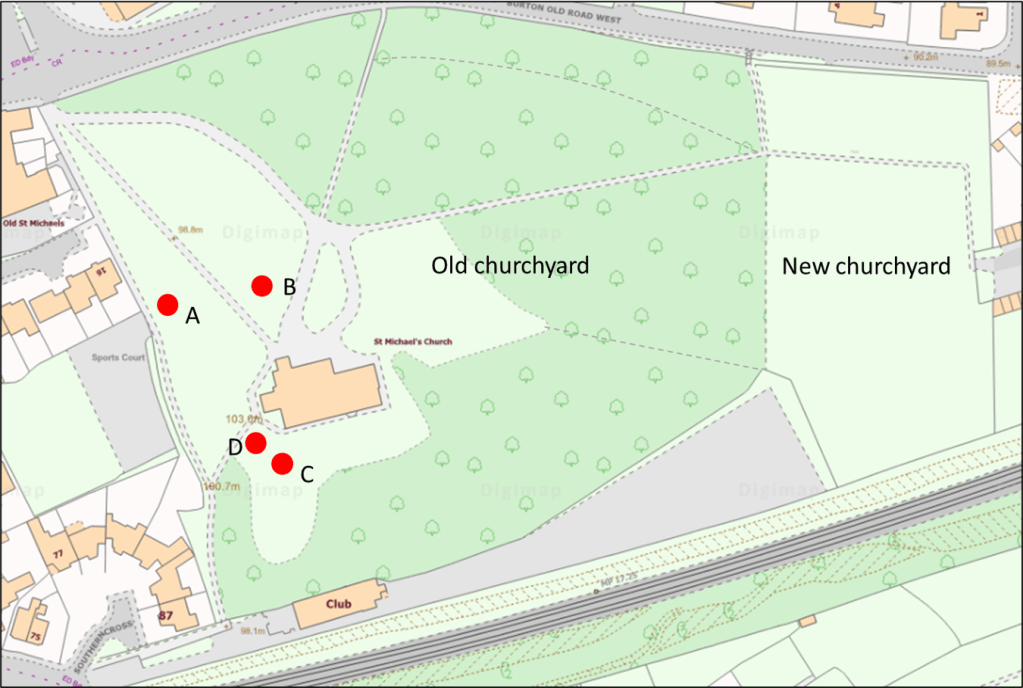
Figure 1 Grave locations
The locations of the graves are shown on the map in figure 1 which shows the old churchyard, closed to new burials, and the new churchyard to the east that is still in use (although filling up rapidly). It can be seen that the graves we are considering are all, unsurprisingly, in the old churchyard and located quite close to the church. A study of the dates of all the graves in the old churchyard, suggest that most burials up to 1800 were in the area to the immediate north, west and south of the church, and the large areas to the east began to be used from around 1800. The churchwarden’s accounts indicate that the churchyard was let out for grazing and for taking a hay crop through to the seventeenth and eighteenth centuries, so this was presumably the main function of the eastern area before it was used for burials.
Returning to the graves, let us first let us consider those at the front (north) of the church. The first of this pair (A) is the unusual saddleback grave shown in figure 2 above. The inscription is very worn and the dedication of the monument can’t be read. This grave features in a nineteenth century drawing that is in the William Salt library and can be accessed from clicking the button above. That drawing gives the date of the grave as 1674, and with a little imagination this can be made out on the tomb itself. Apart from the date, it is the style of the grave that makes it so distinctive. It is a shame that the dedication is illegible.
Figure 3. The Finney grave
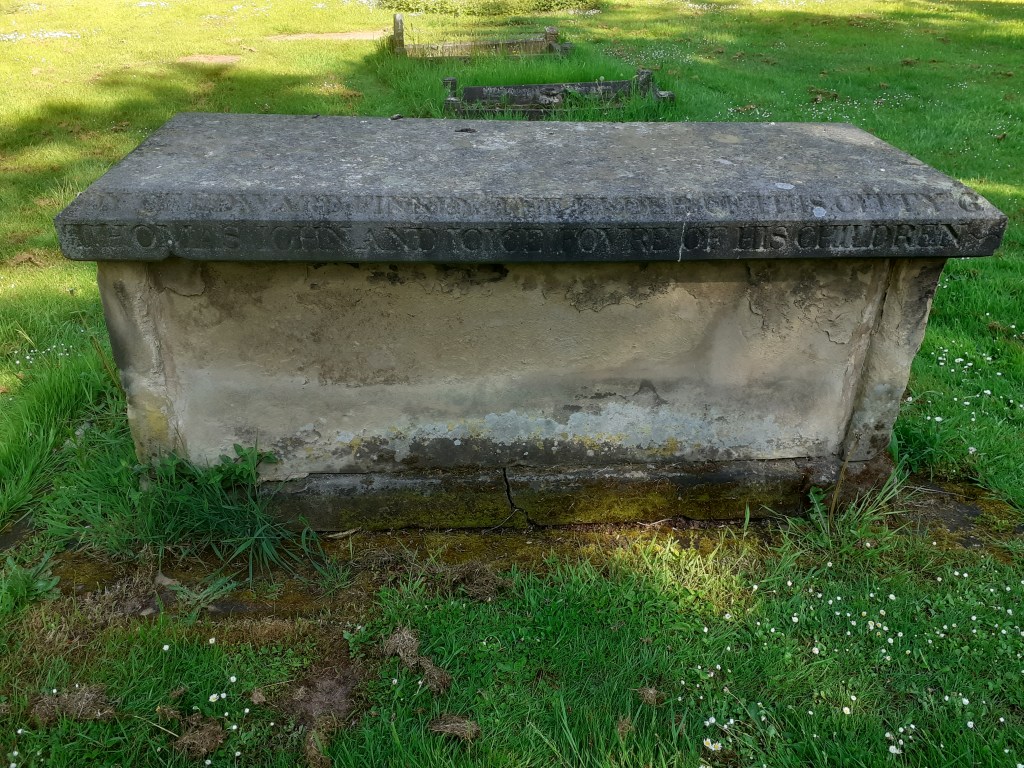
The dedication of the other grave to the north of the church (B) can however be distinguished (figure 3). This reads
Here lieth the body of Edward Finney the elder of this City Gente, who departed this life 1st May 1640 and the bodies of Michael, Thomas, John and Joyce, four of his children.
Pleasingly the historical records tell us a little more about Edward Finney. He was one of the bailiffs of the City of Lichfield in the 1620s and 1630s and was active in civic life. After his death he established a “bread dole” at St. Mary’s endowed with 1s. a month which still existed, as the Edward Finney Charity in 1715.
The Clarke grave
The third of the graves that we consider here has a particularly interesting history. This is the monument to William Clarke and his son, another William, two longed lived parish clerks. The Morning Chronicle of October 8th 1822 reports as follows.
In St. Michael’s churchyard at Lichfield an ancient tomb stone was lately discovered which had been buried in the earth a great number of years. Upon it are deeply cut the following inscriptions.
“Here lyes the body of WILLIAM CLARKE who was clarke of this church 51 years and buried March 5th 1525 aged 96. Here lies the body of William Clarke clarke of this church 71 years who died September 26th 1562 aged 86″.
The dates and longevity of those interred are remarkable. The Morning Chronicle notes that the elder William would have lived through the reigns of six monarchs, and the younger through the reigns of seven. The latter would have experienced the tumult of the Reformation and counter-Reformation that seems to have had a considerable effect on the fabric of St. Michaels. The inscriptions were still readable in the 1960s and 1980s when surveys of the churchyard monuments were carried out. It was also recorded in these surveys that the stone was “restored” in 1870. At the time of the earlier survey the monument was to the south of the church (C on the map) but was moved, probably more than once, in the churchyard re-ordering of the 1970s. Unfortunately it’s current location is unknown. There are one or two possibilities with very well worn inscriptions, and if I can make a positive identification I will edit this post and include a photo.
That is however not the end of the story. References to William Clarke can be found in the historical sources. In Harwood we read of a William Clarke who in 1662 gave Elias Ashmole information on monuments in the church that had been destroyed in the civil war and is described as having been clerk to the parish for 65 years and his father had been clerk before him for 52 years. In the churchwarden’s accounts we read of a William Clarke (presumably the elder) being paid 8s for his year’s wages in 1580, and another William (presumably the younger) bring the custodian of church property in 1657. On the basis of these records, it thus seems to me likely that the death dates recorded in the Morning Chronicle, and “restored” in the 1870s were misreadings and were a century too early. If that were the case, the lives of the two William’s would have been even more interesting than supposed, with the elder being a small child in the initial iconoclasm of the Reformation, and living through the Counter Reformation, when the churchwarden’s accounts give a good description of the very catholic vestments and eucharistic tableware used in St. Michael’s. William the younger would have experienced the terrors of the Civil War, Commonwealth and Restoration.
The Miesson grave
Figure 4. The Miesson grave
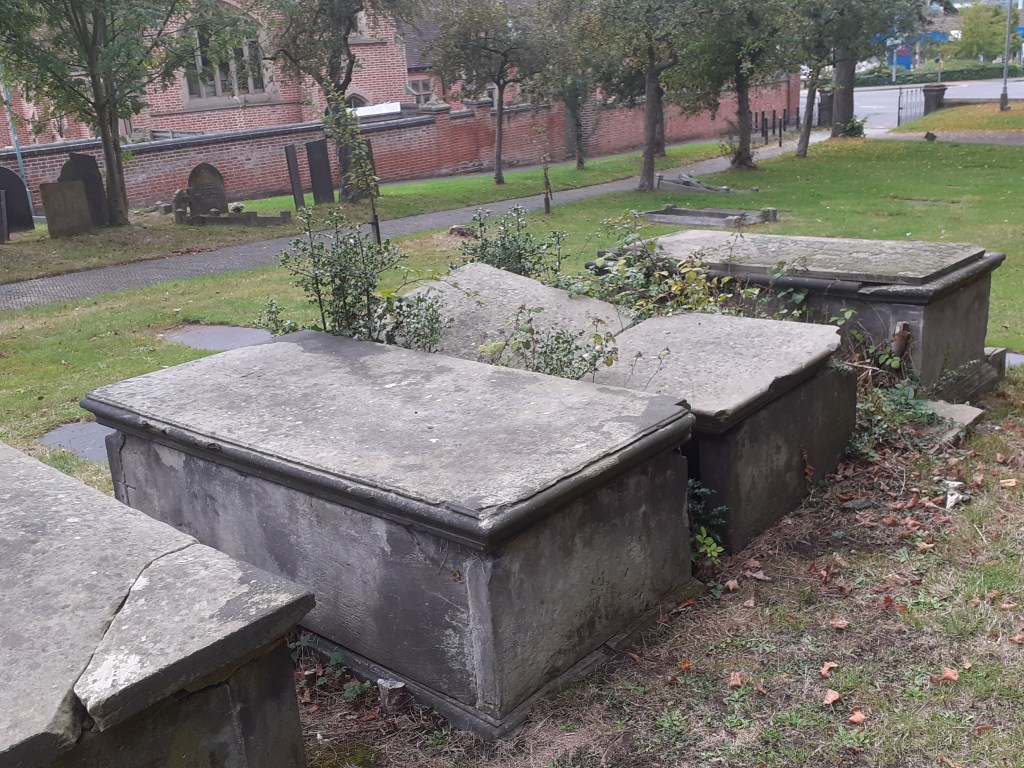
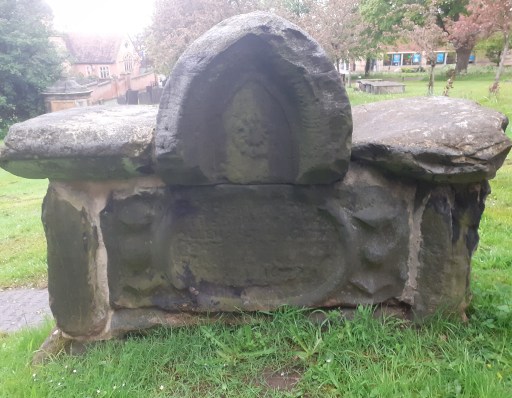
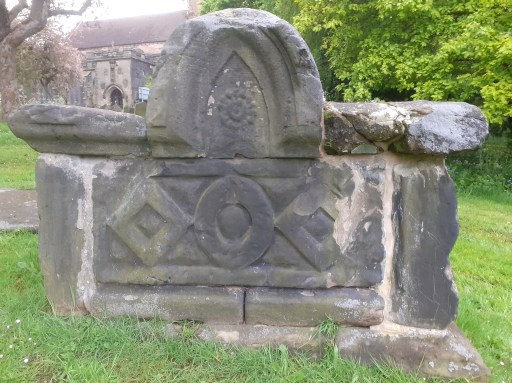
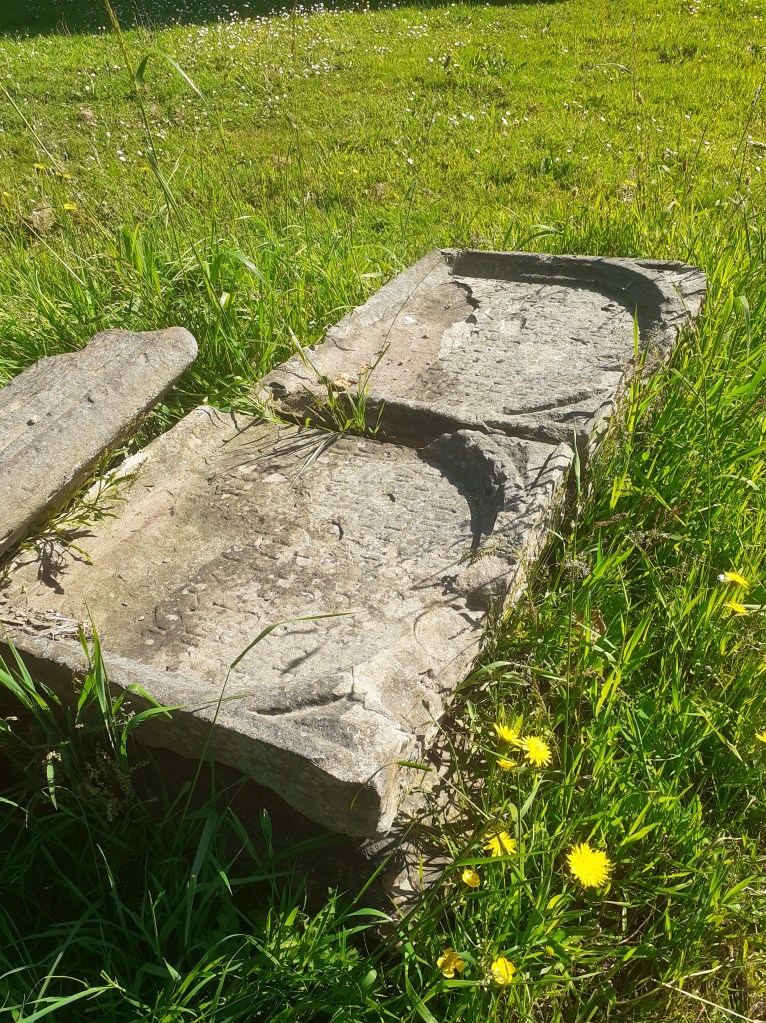
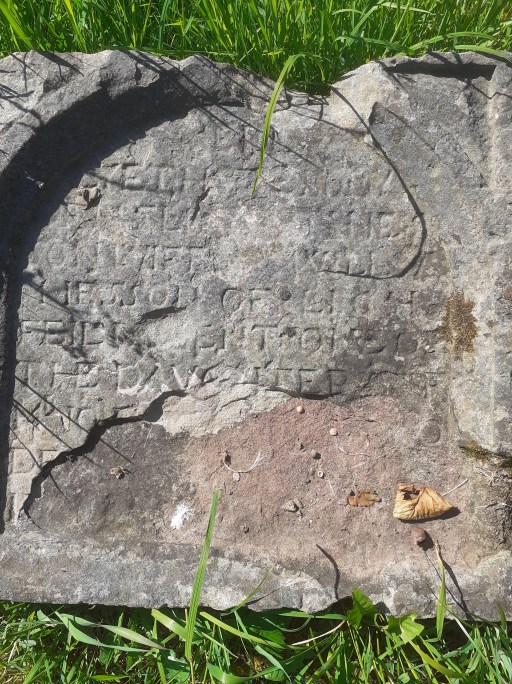
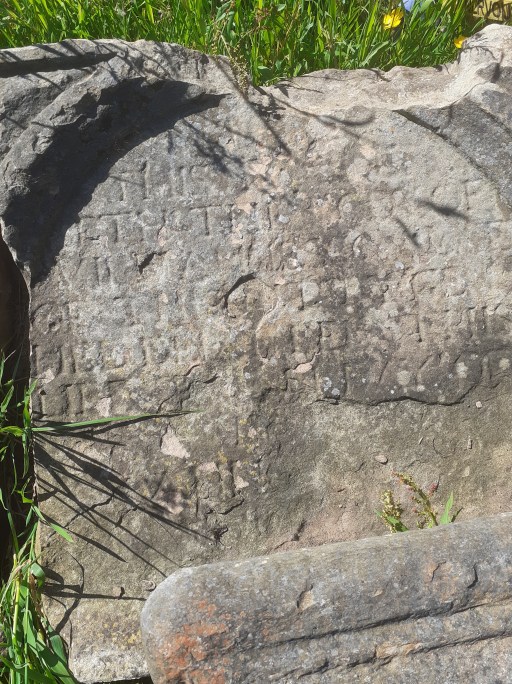
It must be admitted that the final grave we consider here (at D on figure 1) can’t be shown to belong to the seventeenth century, but it certainly has the look of something that old, and as we will see if of some interest (figure 4). Up till recently, this was the fairly simple chest tomb of Elizabeth Miesson and William Miesson . Recently the tomb has collapsed, and the inscribed end pieces placed on top of the remains, with the broken lid to one side. These are not particularly easy to read, but do confirm the names. A web search on Ancestry reveals there were several folk with these names in Lichfield around 1650 to 1750. The memorial to Elizabeth indicates contains the name of the city, rather inelegantly spread over two lines, as LICH and FIELD i.e. with a spelling mistake. The tomb could well have been a source of some embarrassment!
The William Salt Library holds a significant number of mainly late eighteenth and early to mid nineteenth century drawings and paintings of St. Michael’s church in Lichfield that show the development of the church over that period when significant rebuilding took place. For copyright reasons these cannot be reproduced, so in this post I have listed them all in chronological order; given a link to the web page for each picture that opens in a separate tab; and reproduced the text describing each picture. The intention is to provide a convenient platform to understand the development of the church and churchyard throughout the period concerned.
1732 ‘The South West Prospect of the City of Lichfield.’ Stretching from the west to St. Michael’s, an easterly suburb. With a key describing the important features. Inscribed with a brief history of Lichfield. Artists: ‘S. & N. Buck, delin. et sculp., [drawn and engraved].
1760 – 1799 (c.) ‘St. Michael’s Church Lichfield, with the Arms formerly in the Windows.’ North view of the church, [apparantly adapted from V.142b.] The church is surrounded by drawing of 17 coats of arms, which used to be in the windows. Anonymous, [? Stringer.]
1769 ‘St. Michael’s Church, Lichfield, 1769.’ North view showing the clerestory, the north aisle and porch, and the three-staged tower and spire at the west end. Anonymous.
1784 ‘St. Michael’s Church in Lichfield, North (corrected to South.)’ One dormer window is shown over the south aisle. The tower and the south door (without a porch,) are also shown.’J. W. delin.,’ [drawn; John Wright, 1784]
1784 ‘An ancient monument in the chancel of St. Michael’s Church, Lichfield.’ Showing a recumbent figure under a cusped arch. artist: ‘J. W.’ [John Wright, 1784.]
1798 ‘St. Michael’s Lichfield, 1798.’ South east view showing the south door with no porch. The clerestory and nave are not shown owing to the high south aisle. There is also a high chancel with a row of top windows. Anonymous,
1805 ‘An Ancient View of the City of Lichfield. From a painting in the possession of the Revd. Henry White.’ West view showing the gate tower, St. Mary’s church with a spire, and St. Michael’s church on a hill to the right. ‘C. Pye, sculp., [engraved]’.
1824 ‘Font in St. Michael’s Church, Lichfield.’ Showing an octagonal font with shields on panelled sides, and fleurs de lis and roses below. One shield is marked W.C., 1669, and another with a cross flory between Maltese crosses. Artist: ‘J. B.,’ [John Buckler.]
1832 ‘St. Michael’s Church, Green Hill, Lichfield, Sketched 1832.’ Showing the church in a country setting, with people standing on a road in the foreground.’Robt. Noyes.’
1833 ‘North West (corrected East) View of Saint Michael’s Church, Lichfield.’ Showing the east window, the chancel (with clerestory), the north aisle and porch, and the tower with a spire. artist: J. Buckler.
1841 ‘South East View of Saint Michael’s Church, Lichfield.’ Showing the east window and the chancel (before rebuilding) with later [?vestry] addition to the south aisle. Artist: G. Buckler.
1841 ‘North West View of Saint Michael’s Church, Lichfield.’ Chiefly showing the tower and the spire, also the north aisle and the porch. Artist: J. C. Buckler.
1841 ‘Ground Plan of Saint Michael’s Church, Lichfield.’ Shown before the extension of the south aisle. A south doorway is shown, but a north porch. Artists: J. C. and G. Buckler.
1841 ‘Interior View of Saint Michael’s Church, Lichfield, from the Chancel.’ Showing the pulpit, a reading desk, and some carved pews in the chancel. artist: G. Buckler.
1841 :Interior View of Saint Michael’s Church, Lichfield from the north aisle.’ Showing a view across the nave, with box pews and a three deck pulpit. Artist: J. C. Buckler.
1841 ‘The North Porch of Saint Michael’s Church, Lichfield.’ North view showing a crenellated porch, with two shields of arms and a canopied niche above, but without cross or letters. Artist: J. C. Buckler.
1843 ‘South East View of Saint Michael’s Church, Lichfield.’ Showing a two-storey addition which has been made to the south aisle on the east end (with door) and a south door has been inserted in the chancel. Artist: J. Buckler.
1844 ‘North West View of Saint Michael’s Church, Lichfield.’ Chiefly showing the tower and the spire, also the north aisle and the porch. Artist: J. Buckler.’
1844 ‘North East View of Saint Michael’s Church, Lichfield.’ Showing a north north east view of the east window, the chancel (with clerestory), the north aisle and porch, and the tower with a spire.’J. Buckler.’
1844 ‘Interior View of Saint Michael’s Church, Lichfield, from the Chancel.’Showing a view of the Nave through the chancel arch (perpendicular style). The three pairs of colums seen are of cluster type, (the sides are rounded and should be hollowed.) artist: J. Buckler.
1845 ‘Porch on the North side of Saint Michael’s Church, Lichfield.’ North west view showing a crenellated porch, with two shields of arms and a canopied niche above, also letters E and R, and a floriated cross above. Artist: J. Buckler.’
1846 ‘South East View of the New Chancel of Saint Michael’s Church, Lichfield.’ Showing the three lancet lights at the east end, and two on the south side. There is no door. Artist: J. Buckler.
1846 ‘Effigy on the North side of the Chancel of Saint Michael’s Church, Lichfield.’ Showing a male with a long gown and hood, with long sleeves. His hands are as at prayer, his head is on a cushion and his feet on an animal. Artist: ‘J. B.,’ [John Buckler.]
1846 ‘Interior View of the Chancel of Saint Michael’s Church, Lichfield. Showing the interior of the new chancel, which has a stone groined roof, and lancet lights. In the north wall is a plain arch with an old recumbent effigy. Artist: J. Buckler.
1847 ‘East View of Saint Michael’s Church, Lichfield.’ A three lancet window has taken the place of a five light perpendicular window, and the chancel clerestory has been removed. Artist: J. Buckler.
1858 St. Michael’s has a Perpendicular west tower and spire and the rest of the church is mostly Early English. It was extensively restored by Thomas Johnson of Lichfield in 1841-42. This is one of a series of watercolours of all the churches in Lichfield Diocese in Staffordshire, painted by Miss Theodosia Hinckes and Mrs Rebecca Moore for Lichfield Cathedral between 1857 and 1861. Reproduced by Kind Permission of the Chapter of Lichfield Cathedral who retain copyright.
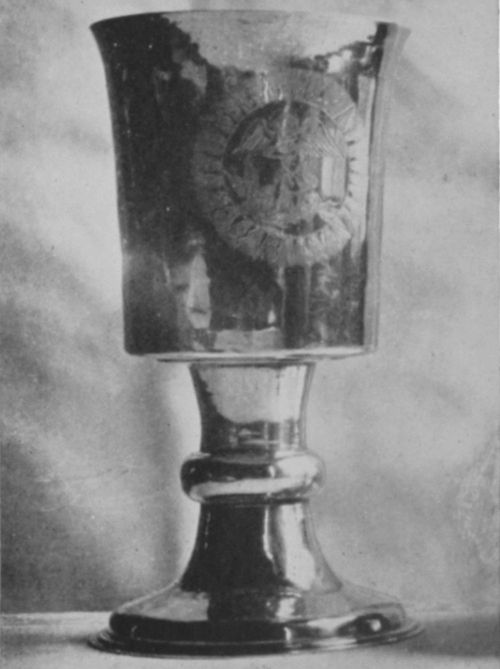
At some date a silver-gilt chalice and paten of 1684 were acquired. They were sold with a pewter flagon and plates in 1852 to a Birmingham firm in part payment for a new set of plate. The chalice and paten of 1684 were bought the same year by St. Clement’s, Oxford.
Clearly this was later regretted and we read
… attempts in 1892 and 1923 to recover them for St. Michael’s were unsuccessful.
And there I might have left the matter, perhaps as a sort of parable on the foolishness of church wardens, and the futility of the pursuit of modernity, but for the all seeing eye of Google. A quick search of “chalice / St Clements / Oxford” let me to An Inventory of the Historical Monuments in the City of Oxford from 1929 in which I found the rather poor photograph of the 1684 chalice shown below. It is rather fuzzy, but I think the motif is clear enough – the winged archangel trampling over the devil at his feet. I can’t read the caption, so if any reader can enlighten me on this I would be grateful. The question arises as to where the chalice and its associated paten are now. To find the answer to this would I am afraid take more than a quick Google search. Perhaps one day….
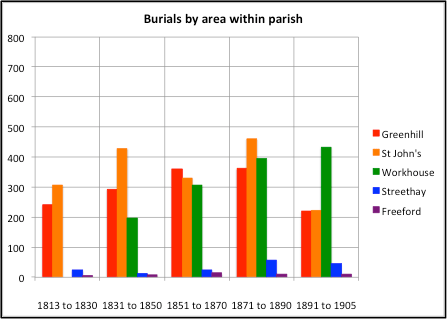
The baptismal and burial registers allow the residence of the parents of the baptized child and those who have died to be identified, at least in broad terms. Neither measure can be regarded as an accurate measure of population, as the same couple may well figure more than once in the baptismal registers, and those who have died may not be long term residents of the parish. To investigate how this population is dispersed across the parish, we define the following districts.
Within the parish throughout the study period
Greenhill – the dense urban area close to St Michael’s church that extended up Burton Old Road and Trent Valley Road as the century progressed, together with its rural hinterland, broadly covering the area of the current Boley Park Estate.
St. Johns – based on the urban area around St. Johns Street (including, and south of St John’s Hospital) and the Birmingham Road, stretching south to the canal, with its rural hinterland in the Borrowcop and Berry Hill area. Note that the St. John’s and Greenhill as defined here did not have a direct road connection between their major centres for much of the study period, with journeys between them requiring a passage through St. Mary’s parish.
The Workhouse on Trent Valley Road (the later St. Michael’s hospital).
The hamlet of Streethay to the north of the parish, including the development in the second half of the century of much railway activity around Trent Valley Station.
The rural hamlets of Freeford and Fulfen to the east of the parish.
The out of parish townships
Burntwood, together with Edial and Woodhouses, which became a separate parish in 1820 with the opening of Christchurch, Burntwood.
Wall, which became a separate parish in 1845 following the opening of St. John’s Church in 1843.
Leamonsley to the west of the city which, with Pipe Hill, became the parish of Christchurch, Lichfield in 1848.
Out of parish districts
The parish of St. Mary Lichfield, including the extra-parochial areas of The Close and The Friary.
The parish of St. Chad, Lichfield
Any other out of parish location outside Lichfield.
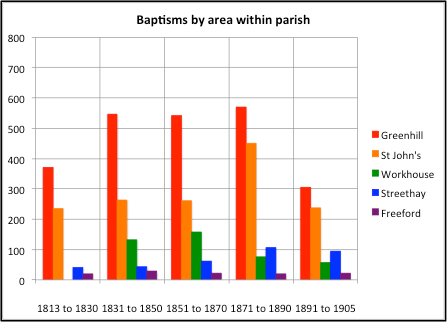
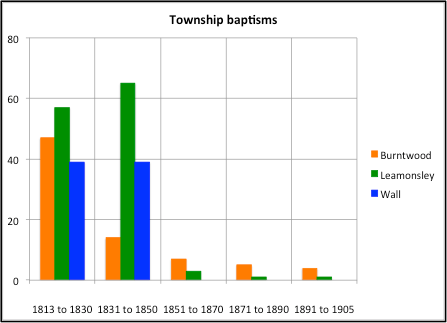
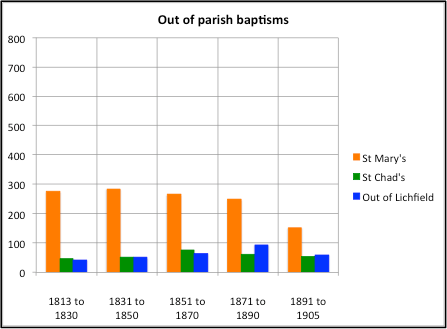
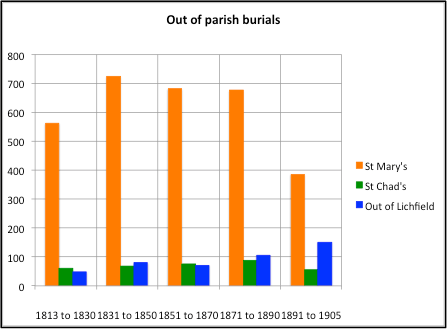
Figures 6 below shows the baptisms (on the left hand side) and burials (on the right hand side) for each of these three categories. These graphs show actual baptism numbers in (nominally) 20 year periods, rather than the number of baptisms per year. Note again that the first and last periods are somewhat shorter than 20 years.
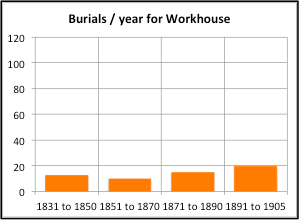
Consider first the baptisms and burials in the different areas of the parish itself. For the former, the largest contributing area is Greenhill, with St. John’s the second largest. The situation is reversed for burials, perhaps indicating a rather younger population in the Greenhill area. The Workhouse baptisms and burials begin in the 1831 to 1850 period, as the Workhouse opened in 1840. In general the number of baptisms decrease with time, while the number of burials increase markedly, until in the period from 1891 to 1905 they are the single biggest number of burials. Both baptisms and burials increase over the century in Streethay, reflecting the growth of railway based activities there, whilst the figures fro the rural area of Freeford / Fulfen remain small and constant.
The township baptisms and burials show a major fall after the chapels in the respective area are opened – 1820 for Burntwood, 1845 for Wall and 1848 for Leamonsley. The baptism figures fall more dramatically than the funeral figures, suggesting that a number of township residents wished to be buried in family graves at St. Michael’s.
The out of parish baptisms and burials are interesting. There can be seen to be significant cross boundary baptisms of parishioners from St. Mary’s and St. Chad’s parish, presumably because of family or other historical connections. The number of burials for St. Mary’s parish was however very large, due to the fact that there was no graveyard there. This imposed a considerable load on the clergy at St Michael’s (as will be seen below), In 1886 the Vicar of St. Mary’s agreed to conduct the funerals of his parishioners in St. Michael’s churchyard, but he stressed that by ancient custom it was the duty of St. Michael’s clergy to do this. A somewhat grudging agreement it would seem. From 1888 an annual collection was taken at St. Mary’s for the upkeep of the churchyard. Both these developments probably reflect a grievance extending over several decades that St. Michael’s clergy were providing unpaid services to St. Mary’s parish. The out of Lichfield category includes baptisms for families from the towns and villages surrounding the city, but also significant number from further afield – in particular from Birmingham and London – probably because of historic or family connections.
Figure 6. Baptism and burial statistics by areas of residence
Finally the registers reveal the existence of some interesting groups of people in the population for whom a more in-depth study might be appropriate – the soldiers from the Militia Barracks in the Sandford Street area; the canal workers and boatmen on the Lichfield and Hathersage Canal and the wharfs in the St. John’s area; a huge community of coachmakers, coachmen, horsemen etc. connected with the coach routes through the city, and, in the second half of the century the railway workers on the London North Western Railway through Trent Valley and the South Staffordshire Railway through Lichfield City.
Analysis of Christian names
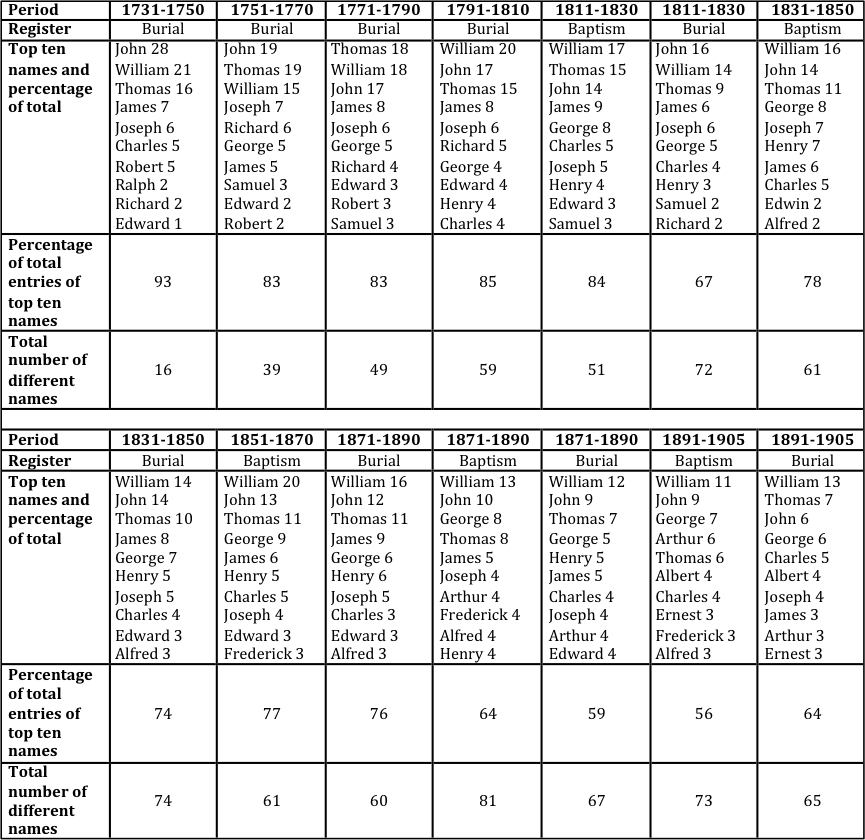
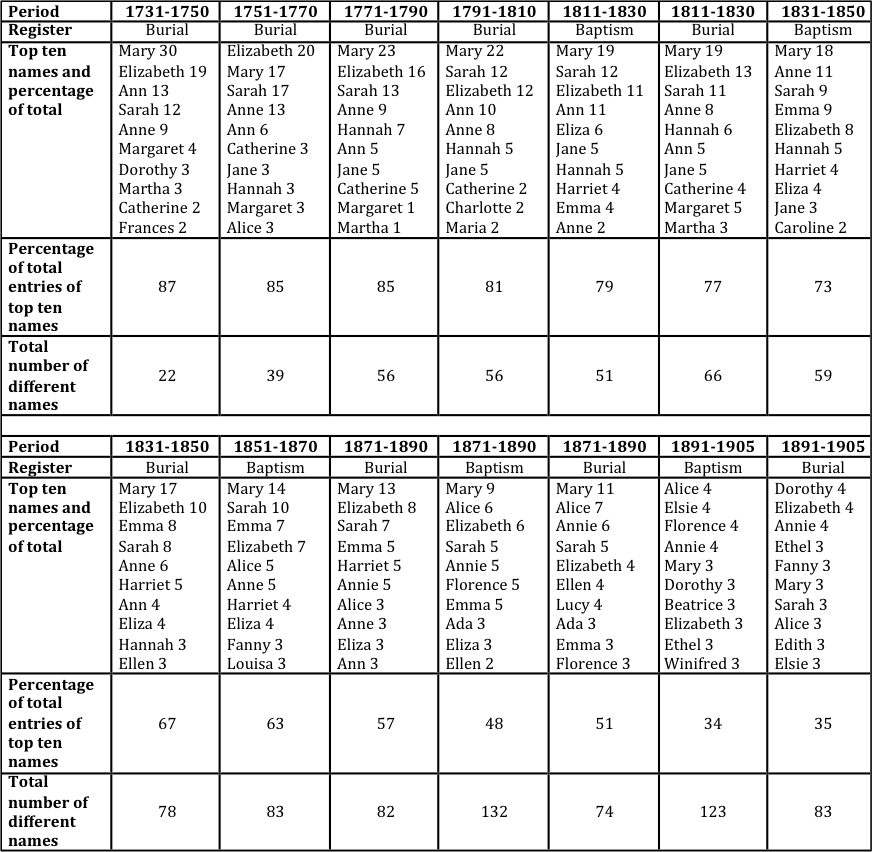
Both the baptismal and burial registers can be used to study how the Christian names of those in the parish varied over time. Whilst this might seem a somewhat trivial analysis, it does reveal something of changing attitudes and perceptions over time. From the baptismal registers, the information is directly available on a year-by-year basis. Extracting dated information from the burial registers is a little more tricky and requires the birth year to be calculated from the death year and the age at death. Even if the names are all related to the birth year, one might expect some differences – the baptismal registers will, in general, refer to those who were born in the Lichfield area, the burial registers will contain entries relating to those who were born elsewhere. Similarly the latter are more likely to indicate the preferred name of the deceased – be it first name, middle name or by-name. These points being made, details of the names over a period of around 180 years are given in table 1 for men and table 2 for women. Each table shows the following information, for the usual nominal twenty-year periods.
The most popular ten names in that period and the percentage of the total number of register entries for each of these.
The percentage of the total number of register entries that are accounted for by these top ten names.
The number of different names used in the period.
For both male and female names the following broad conclusions can be drawn.
The most popular names remain pretty much the same over most of the period studied.
For the earlier periods in the 18th century the top 10 names account for 80 to 90 % of all names. This figure falls throughout the 19thcentury to around 60% for male names and 35% for female names.
Over the same period the number of different names increases by a factor of four.
Female names were always more variable than male names.
The most popular male names (William, John and Thomas) each account for about 20% of all entries in the early periods, falling to around 6 to 12% in the late 19thcentury. Similarly the most popular female names (Elizabeth, Mary and Sarah) account for around 15 to 20% of all entries in the earlier periods, falling to around just 3% in the late 19thcentury.
Two points arise from this study. The first is that the increasing number of names in use possibly reflects the movement from a very conservative society (at least in terms of names) to one with a wider outlook. Indeed, some of the minor names not shown in the table are quite outlandish and unconventional, particularly for the female names – for example Rosetta, Vanda and Pretoria. Secondly, in their conservatism the most popular names are very similar to those outlined in two other studies that I have carried out for the western region of the Black Country – for the parish of Kingswinfordin 1822 and 1840, and for the members of the Shut End Chapel in Pensnett from 1840 to 1890. The general population for these two studies was again composed of unskilled and skilled manual workers, and were thus similar o the population make up of St. Michael’s parish in the 19thcentury.
Table 1. Analysis of male Christian names
Table 2. Analysis of female Christian names
Ministers and Church
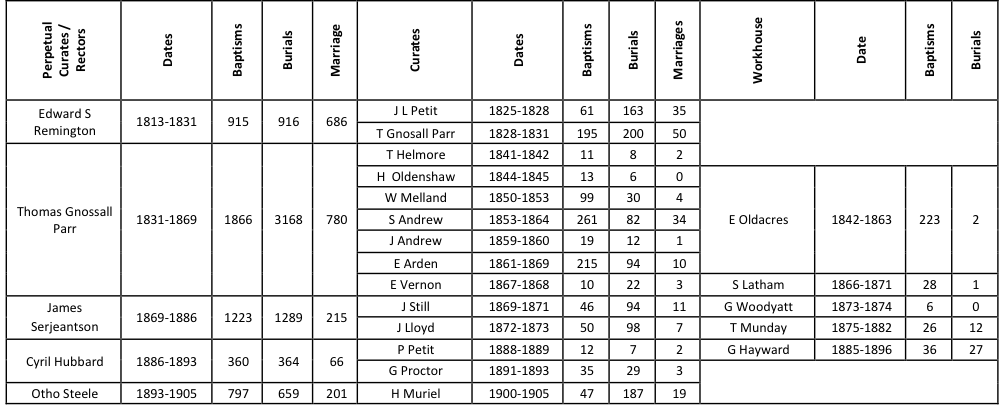
Table 3 below shows the Perpetual Curates (Rectors from 1868) at St. Michael’s, their curates or assistants, and the chaplains of the Workhouse in the period we are considering, together with the absolute numbers of baptisms, marriages and funerals they carried out. The longevity of the ministers in charge is notable, with only three perpetual curates / rectors from 1813 to 1886. The first of these, Edward Remington, was actually the brother of an earlier Perpetual Curate at St Michael’s and the son of another, the dynasty extending back to 1757. His early career included Perpetual Curacies at St Chad’s Lichfield and Pipe Ridware, before coming to St Michael’s in 1805. In 1820, he was, in addition to St. Michael’s, instituted as Curate at Burntwood, when Burntwood itself achieved parochial status. As Perpetual Curate of St. Michael’s he would already have had oversight of Burntwood, but it seems he was formally designated its first incumbent, at least for a short period until 1828. From 1829 to 1831 he was also Vicar at Wirksworth in Derbyshire. How he managed these two rather far-flung parishes is not clear, but doubtless he utilized the services of his curates.
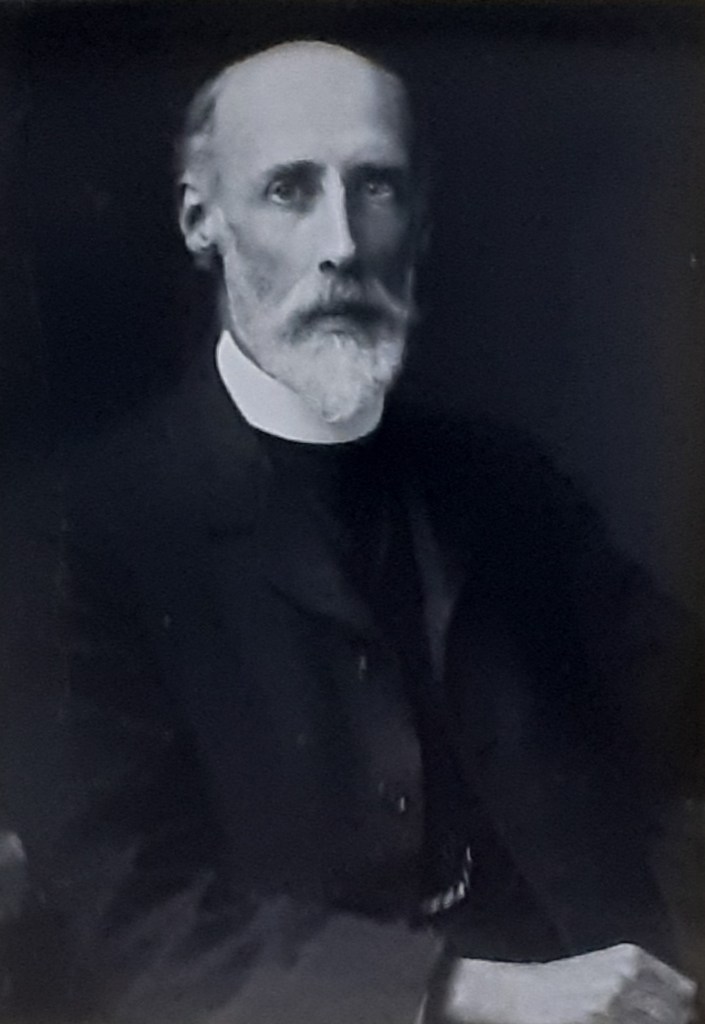
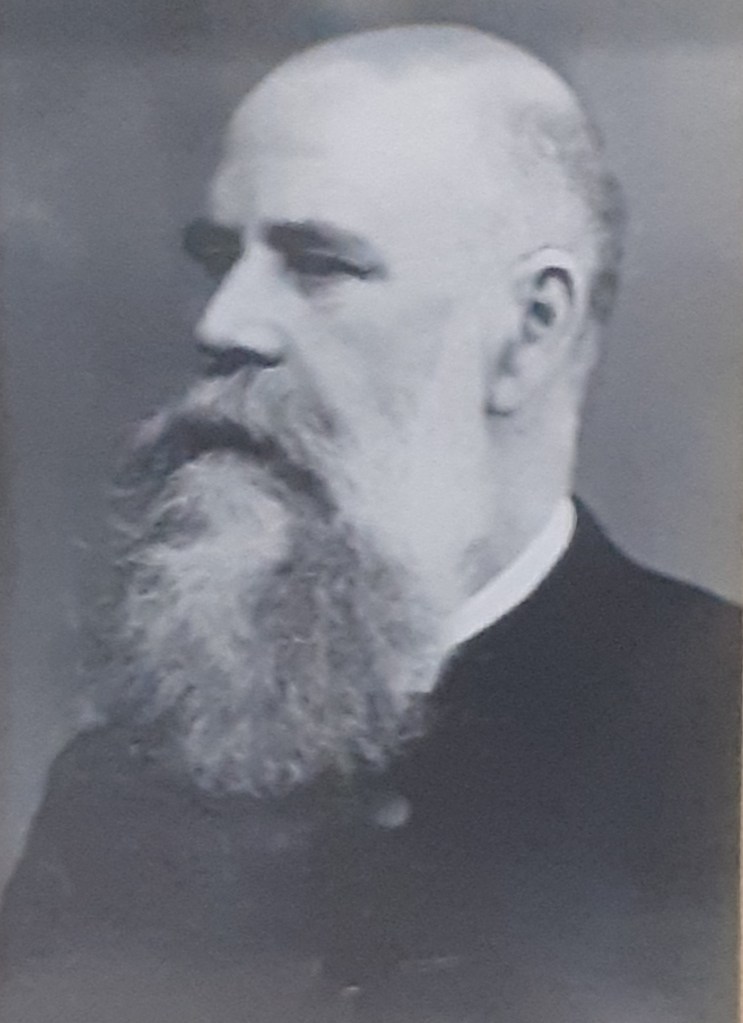
Thomas Gnossall ParrJames SergeantsonCyril HubberdOtho SteeleThe 19th century Rectors
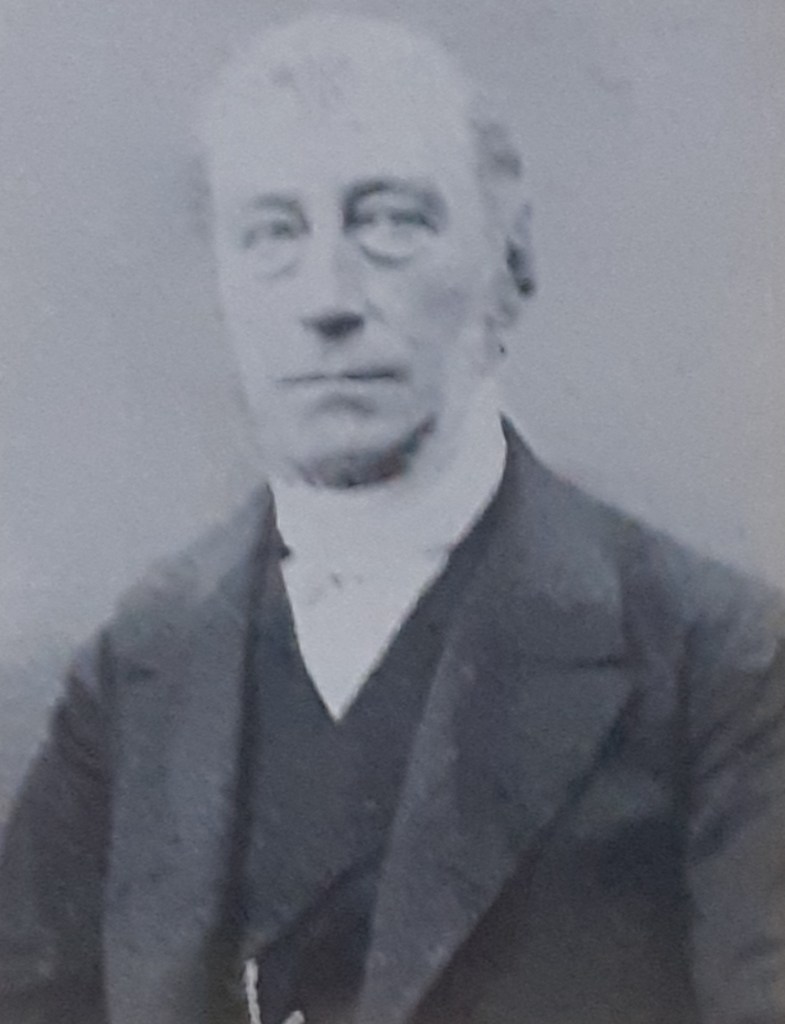
One of these curates was Thomas Gnossall Parr, who held that post at St. Michael’s from 1828 to Remington’s death in 1831. He was then appointed Perpetual Curate, a post he held for 37 years before becoming the first Rector in 1868, one year before his death. He was born in 1800, the son of another Thomas Gnossall Parr, a Lichfield solicitor, and remained umarried. In 1861 he was living at the Parsonage House on Mount Pleasant with his sister Anne, and a single servant. The number of baptisms, marriages and funerals conducted by Remington and Gnossall Parr was eye-watering – the largest number in the table being the 3168 funerals conducted by the latter. Whist they were assisted by a string of curates, they still seems to have carried most of the load themselves.
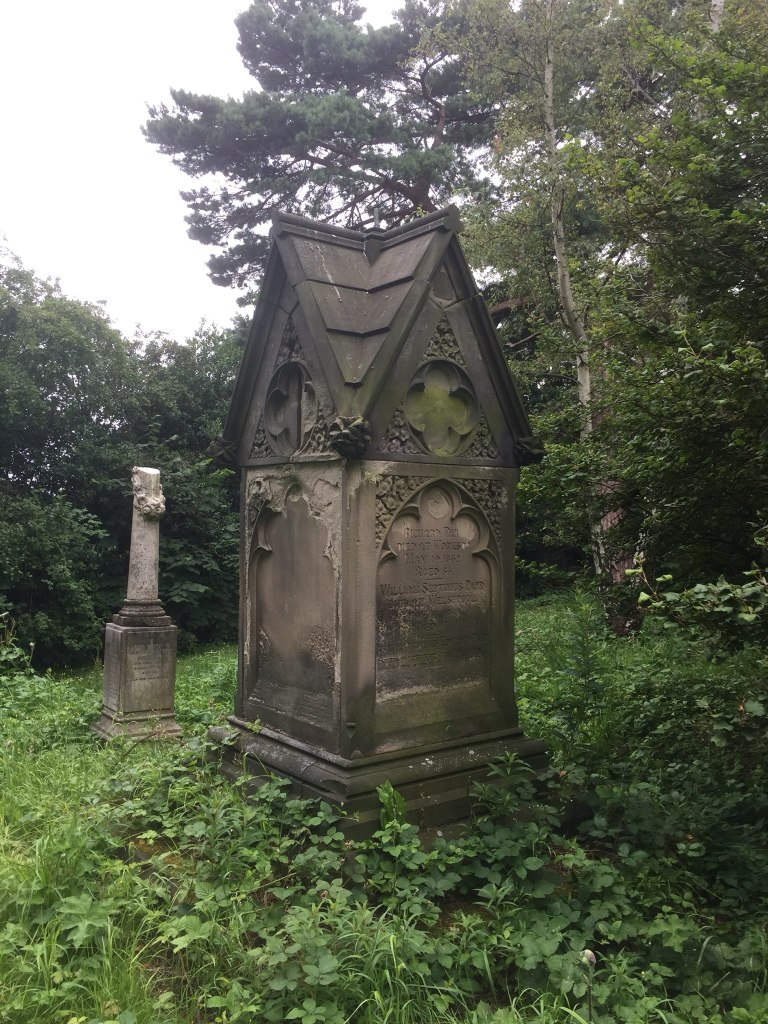
The grave memorialParr family membersThomas Gnossall ParrThomas Parr Senior and his wifeThe Parr grave in St Michael’s churchyard
The first clergyman to be appointed Rector, James Sergeantson, was from Liverpool and educated at Trinity College in Cambridge. He was a rowing blue and part of the crew that lost the boat race in 1857 by 11 lengths. There have only been six larger losing margins in the 190 year history of the race, so I doubt it was an experience he relished. He served a curacy at Stoke before coming to St Michael’s. He was married to Elizabeth, a clergyman’s daughter and they had at least 5 children. In 1881 they lived at the Rectory, with a housekeeper, cook and two servants. He is recorded on a memorial in the church as being part of the team that rang a complete peal of Gransire Minor in 1876. He died in 1886. A memorial plaque in the chancel at St. Michael’s reads
To the glory of God and in loving memory of James Jordan Sergeantson M.A. for 17 years rector of this parish….. He fell asleep January 1st1886 aged 50 years.
The Serjeantson Memorial
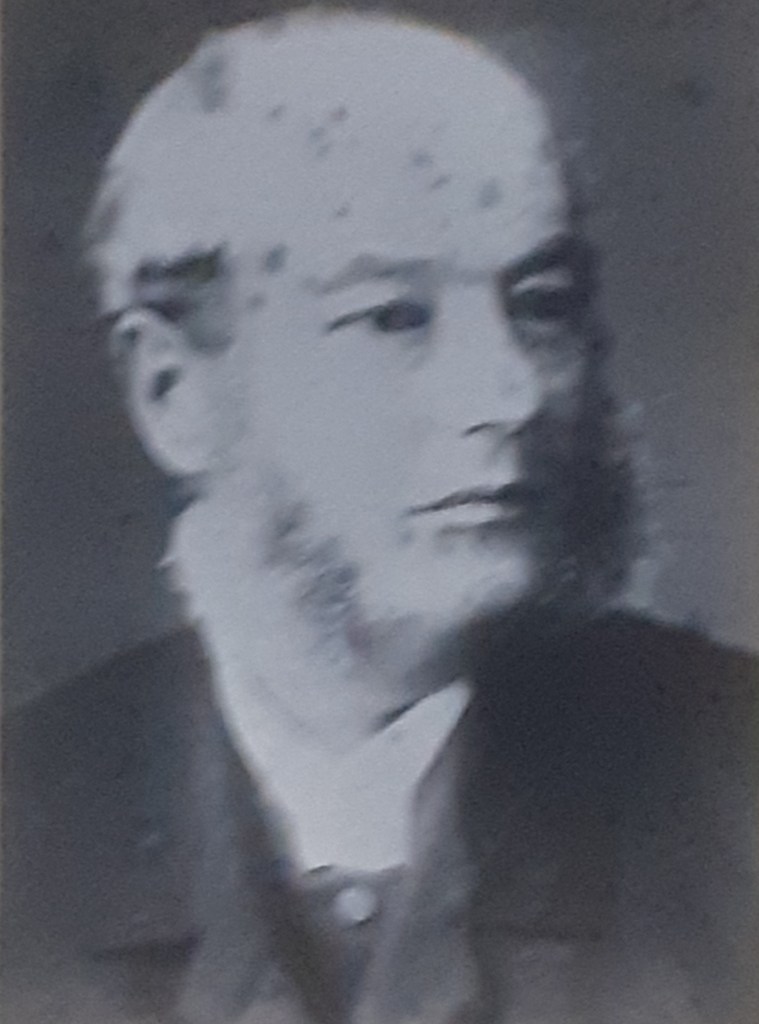
Sergeantson was followed by Cyril Hubberd, an old Etonian who graduated from St. John’s College Cambridge, and served in parishes in the south of England before coming to St. Michael’s. In 1891 he lived at the Rectory with his wife Agnes, their two children, a cook, a nursemaid and two housemaids. In 1886 he secured an arrangement, albeit somewhat grudging, with the Vicar of Mary’s who agreed to conduct the St. Mary’s funerals, although more often than not, this resulted in the St. Mary’s curates carrying out the duty on his behalf. When Hubbard left St Michael’s in 1893, he moved to the south of England and out of parish ministry. Perhaps St. Michael’s was too much for him. He is however recorded as a Chaplain in various European cities in the 1900s.
The last of the 19thcentury rectors was Otho Steele. He was born in the 1839, educated at Trinity College Dublin, and served in parishes in the east of England, Guernsey and Stoke before coming to St Michael’s in 1893. He remained there till 1913, and died in 1922. Again there is a memorial plaque in the chancel that reads as follows.
To the glory of God and in pious memory of Otho William Steel, M.A. Rector of this parish from 1893 to 1913 who dies 25thMay 1922 aged 83 years.
The Steele Memorial
The situation with regard to the Workhouse was interesting. The chaplains of the Workhouse conducted baptisms there, but these were recorded in the St. Michael’s register. However, up to the 1880s, all the funerals were conducted by St. Michael’s clergy. After that there seems to have been some overlap at that time with some of the curates at St. Michaels also acting as Workhouse Chaplains.
Closing comments
The registers also indicate that a not-insignificant number of services were conducted by either visiting clergy (presumably at the family request) or by other clergy in the locality, to cover absence and holidays no doubt. The funerals of the residents at St. John’s hospital were usually conducted by the Master of the Hospital. In the early part of the century, the burials were actually in the grounds of St. John’s, with the burials registered in the St. Michael’s register, but later internments were in St. Michael’s graveyard.
Table 3. Rectors, curates and chaplains
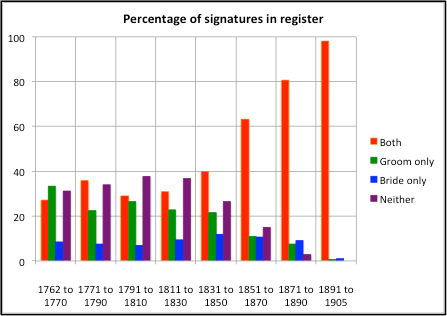
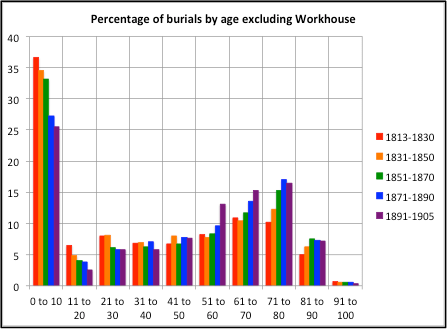
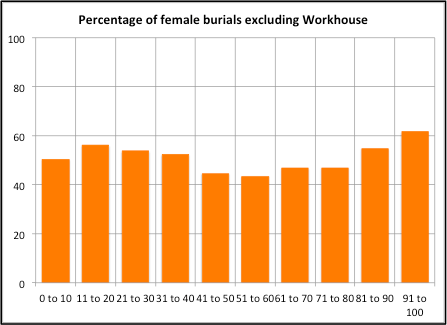
This post has presented what at first sight is a rather detailed technical examination of manuscripts. However it does reveal some quite fascinating details of the development of St. Michael’s parish over the 19thcentury. It was basically the parish of the lower and middle classes of the area, with very few of those at the top of Lichfield society. We see clearly a significant decrease in childhood mortality in this group over that period, and the huge risk of childbirth to women is all too clearly seen. The rise of basic literacy can also be seen from the signatures in the marriage registers. The development of the different areas of the parish can be traced in terms of a growing population and a widening of residential areas, with the increasing numbers of those within the Workhouse a reminder that such growth does not benefit all level of society. The analysis of Christian names sees an essentially conservative use of a small sub-set of names develop into a much wider use of a wide range of names, perhaps reflecting the growing horizons of the population. In ecclesiastical terms, the effect of the outlying townships becoming parishes in their own right is apparent, and the interactions between the city centre parishes is very clear – as are the reasons for the disagreement over funerals and burials between St. Michael’s and St. Mary’s.
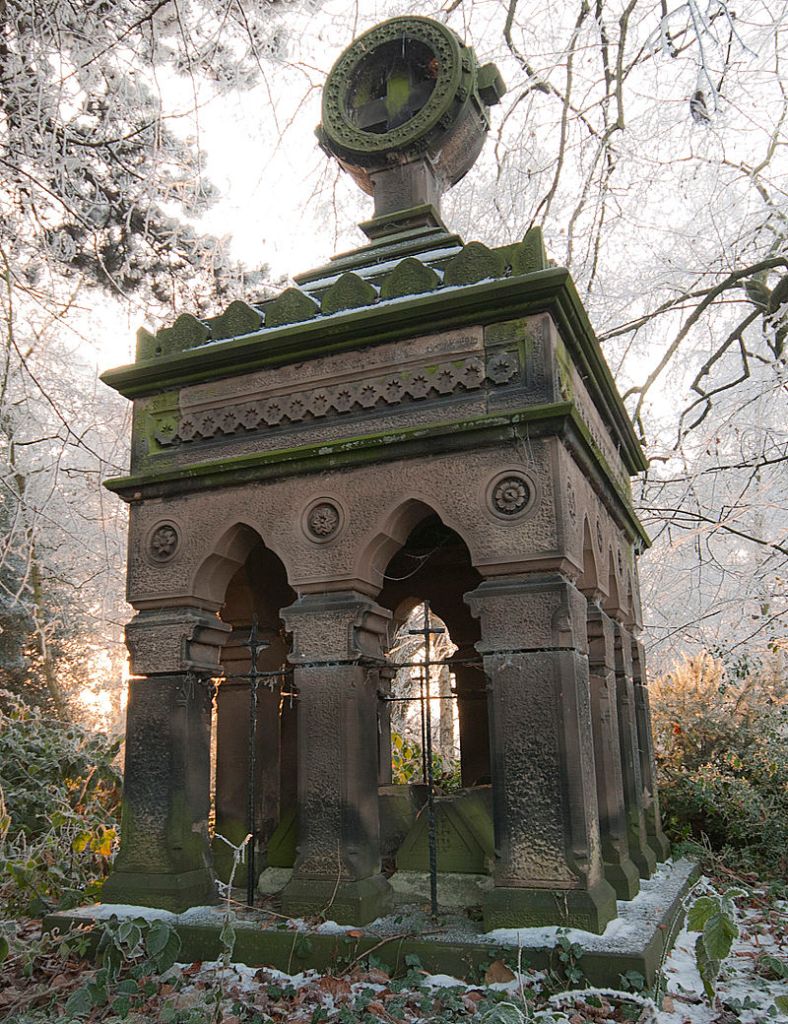
But there is much more that could be said of course about some of the many individuals who feature in the registers – for example Rev John Louis Petit, the curate from 1825 to 1828 and a noted landscape painter, James Law, the Chancellor of the diocese, whose Mausoleum still dominates the front of the churchyard (see below), John Brown, who sounded the trumpet at the charge of the Light Brigade, and many others from long term Lichfield families.
There is of course further work that could be done of this type. Perhaps the most obvious extension would be to do the same sort of analysis for the registers of St. Mary’s and St. Chad’s as the three churches obviously have significant interaction. This would be quite possible as for the period covered in this blog the registers are again available in .rtf format that can be manipulated in spreadsheets. Maybe one day in the near future I will summon up the energy to do this.
The second extension, that would require more work, would be the integration of the current work with other datasets – and in particular the census returns and the St Michael’s Monumental Inscriptions. Whilst the data is available, the actual task of correlation and assessment would be very significant. Maybe in a year or so.
Finally the work could be extended to look at earlier time periods – but here the registers are not in the same convenient format, and to make them so, at least from the publically available databases would be a huge task. Maybe in another life.
The most common modern use for parish registers for baptism, marriage and burial is in family history research – to trace the lives of individuals and families through the centuries. But they also form a rich historical resource that can be looked at in quite another way. Where detailed registers exist, they allow a picture to be built up of the wider societal context, by looking at the entries in the register as a whole rather than individually, and considering details of birth and death statistics over time; the professions and trades of those bringing children to baptism and their places of residence.
In this post we take such a wide look at the parish registers for St, Michael’s parish in Lichfield during the 19thcentury. These have been conveniently produced by Midland Ancestors as .rtf files, and can thus, with some manipulation, be imported in EXCEL and interrogated in a number of different ways. We begin by briefly describing the registers and the nature of St. Michael’s parish in the 19thcentury, then move on to consider statistics of baptisms and burials. The registers also give details of where the individuals lived and their trades or professions, and thus give us a snapshot of Lichfield society in the period. The marriage registers allow the level of literacy to be determined, from an analysis of those who signed the registers, and those who simply made their mark. The registers also allow a survey of names to be carried out, which shows how the popularity of different Christian names varied over the century. Finally the registers cast some light on the ministers who performed the services, and on the nature of church practice.
The information presented here will mainly be in the form of simple graphs and tables. Not everyone will be comfortable with such a presentation, but the material to some extent demands it. I will however attempt to describe the information shown on these figures in a more qualitative way, and try to draw out what they can tell us about church and parish in the 19thcentury.
St Michael’s parish and the registers
Figure 1. The red solid line indicates the boundary of St. Michael’s parish around 1820. The red dotted line indicates the extra-parochial portion of Freeford township. St Michael’s church is indicated by the red cross. The green, blue and purple lines and crosses indicate the boundaries of St Chad’s parish, St Mary’s parish and the Cathedral Close and their churches respectively. The extra parochial area of the Friary is not shown.
The formation of parishes came relatively late in the Lichfield area, where the ecclesiastical organization was, until the seventeenth century, largely based on the Cathedral Prebendial system, with the Prebends appointing vicars who took responsibility for the three city centre churches. It was eventually divided into three parishes – St. Mary’s covering the city centre, St. Chad’s to the north-west and St. Michaels to the south west, south east and south (figure 1). There were three extra-parochial areas – the Cathedral Close, the area around the old Friary and part of the township of Freeford. Of the three parishes, St. Michael’s is the largest. The church itself and its large graveyard on Greenhill is just to the east of the boundary with St. Mary’s parish. In the early part of the 19th century, the parish contained the land immediately to the east and south of the city centre, and large areas further to the south and east containing a number of smaller townships – Wall to the south, Burntwood in the south west, Streethay in the north east, and Freeford and Fulfen to the east. In addition there were a number of detached portions – at Fisherwick and Haselour to the east for example. Thus, whilst the registers mainly concentrate on those who live close to the church in the more densely populated area on the eastern edge of the city, they also contain entries for a more dispersed rural population. As the 19thcentury progressed, some of the outlying townships became parishes in their own right – Burntwood in 1820 and Wall in 1845 and after those dates their inhabitants largely disappear from the St. Michael’s registers. Similarly a large area to the west of the city around the hamlet of Leamonsley formed Christchurch parish in1848.
There are however further complications. St. Mary’s parish that encompasses the city centre has no graveyard, and used that at Greenhill. Thus the St. Michael’s burial register also contains many entries from St. Mary’ parish. There also seems to have been a leakage across parish boundaries in baptism and marriage, with parishioners of St. Mary’s and St. Chad’s using St. Michael’s– and no doubt vice versa. The other complicating factor was the existence of the Lichfield Union Workhouse in St. Michael’s parish from 1840 onwards, which housed paupers from a wide area around Lichfield. As these were mainly men, care needs to be taken in any analysis, as the Workhouse entries in the registers can skew the statistics significantly if they are not allowed properly for.
Before considering the detailed statistics from the registers, it is instructive to look at the general social make up of the parish in the 19thcentury. The baptismal registers contain brief descriptions of the occupation of the one who brings the child for baptism, usually the father. A statistical analysis of this information is, to say the least, difficult, so I will confine myself to only broad comments here. In total there are 6885 baptisms recorded. The number of families represented will be significantly less than this of course. But for these baptisms 2100 give an occupation as “Labourer” and around 650 are economically inactive (most often “Single Women” in the Workhouse or “Spinsters”). Thus around 2750 are at the lowest levels of the society of 19thcentury Lichfield. At the other end of the scale, there are around 35 baptisms of children of those who might be described as “Professional” – bankers, solicitors, architects etc.; 29 from the Ecclesiastical Establishment; and 40 who describe themselves as “Gentlemen”. In between there is a wide range of trades and occupations present of differing levels of skill, from low skilled gardeners and bricklayers to the highly skilled clockmakers, cordwainers and coach builders. Basically it seems that St Michael’s in the 19th century was a church for the workers and middle class artisans and tradesmen of the city – and certainly it attracted few at the higher end of the social scale to bring their children for baptism. This is in accord with the various monuments and inscriptions within the church, few of which date from the 19th century, with most from the 18th and 20th centuries, indicating that for this period the upper reaches of Lichfield society looked elsewhere.
Population Statistics
Figure 2 shows the basic statistics from the baptismal register for the period between 1813 and 1905. Here the data is shown in nominally 20 year bands, with the first (1813-1830) and the last (1891-1905) being somewhat shorter. This variability in period can be allowed for to some extent by considering the number of baptisms / year in each band. It can be seen that there were around 70 baptisms a year across the period, with that figure remaining relatively stable. The expected rise in baptism numbers due to population growth thus seems to have been balanced by the number of baptisms taking place in the new chapels at Burntwood, Wall and Christchurch, and also no doubt by an increase in the number of baptisms in non-conformist churches. The percentage of females was baptized was close to 50% throughout the period as would be expected, which at least shows the inhabitants of the parish in the 19thcentury did not practice female infanticide. Finally it can be seen that that the number of illegitimate children baptised is around 5 to 10% of the whole. This graph may not be wholly accurate however, as illegitimacy was recorded in different ways over the century, or not recorded at all, so some cases may have been missed, but any errors will be small.
Figure 2. Baptism statistics for number of baptisms / year, percentage of baptised females and the percentage of illegitimate children
Figures 3 show the marriage statistics . This data is given over a longer period than for the baptismal reisters, as the .rtf transcription extends back further into the 18thcentury. The number of marriages per year peaks at something over 40 marriages per year between 1811 and 1830. The register also provides an indication of the level of literacy amongst those getting married. The right hand figure gives the proportion of weddings where bride and groom both signed the register, just one of them signed, or neither signed. Very broadly, up to the middle of the nineteenth century, there were around a third of marriages where neither couple could sign their name, a third of marriages where one of them could (most often the groom) and around a third where both signed. After that time, the proportion of weddings where both signed increased rapidly, no doubt due to the establishment of the National Schools in the area, and by the start of the 20th century both partners almost always signed.
Figure 3. Marriage statistics, showing number of marriages per year and the percentage of participants signing the register.
Figure 4 shows the analysis of the burial statistics, excluding the Workhouse entries. The number of burials / year increases through the century, reflecting the increase in population. In the breakdown of burials by age group, the large infant mortality rate is clear, although burials in the 0 to 10 age group decrease from 36% of all burials to 25% over the 19th century. This same trend of reducing mortality is shown in the 11 to 20 and 21 to 30 age groups. The number of burials then increases with age, with a peak in the 71 to 80 age range, with a sharp fall off for the oldest age ranges. The percentage of female burials against age range rises from around 50% for the lowest age range, then increases to around 55% for the 11 to 20 and 21 to 30 age ranges, reflecting deaths during childbirth. There is a trough at just over 40% in the 51 to 60 age range as male mortality peaks, with a rise to around 60% in the highest age ranges, which simply reflects the greater longevity of women if they survive infancy and childbirth.
Figure 4. Burial statistics, excluding Workhouse data, showing number burials / year, burials by age range and percentage of female burials
Figure 5 shows similar figures for Workhouse burials. It can be seen that the number of burials per year is between 10 and 20 – a significant proportion of the whole. The burials by age show the same form as for the general population, although the child mortality rate remains at around 35% throughout the century rather than falling. The percentage of female burials by age do not show the same trend as for the general population, although this might possibly be because the sample size is smaller and any trend masked by statistical variation.
Figure 5. Burial statistics, for Workhouse data, showing number burials / year, burials by age range and percentage of female burials