Around the UK, there area number of relatively long and high bridges across river estuaries, that all operate some sort of traffic restriction protocol in high wind conditions, to limit the risk of vehicle accidents. In this post, I will attempt to collate publically available information on these traffic restriction protocols to assess their similarities and differences. It will be seen (surprisingly in my view) that this information is not at all easy to find and sometimes does not seem to be in the public domain. .
The bridges that will be considered are shown in Table 1, which gives name, location, construction type and length. Pictures of them are given in figure 1. It can be seen that, with the exceptions of the Cleddau Bridge in South Wales and the Skye Bridge in Scotland, these are all over a kilometer long. The construction types vary, from concrete boxes on large numbers of concrete piers to long span suspension and cable stay structures. Only two bridges in the table have protection for vehicles against cross winds – the Prince of Wales (Second Severn) Bridge and the Queensferry Bridge in Edinburgh. All the bridges in the table have Wikipedia entries, which give further details of planning, construction and operation.
Table 1 The Bridges
Cleddau
Severn
Prince of Wales (Second Severn)
Queen Elizabeth II (Dartford)
Orwell
Humber
Erskine
Forth Road
Clackmannanshire
Skye
Kessock
Tay Road
Queensferry
Figure 1. The Bridges (photos from Wikipedia, Creative Commons licenses)
Vehicle restrictions
The data for wind speed restrictions was found from a variety of sources – official documents, FOI releases, newspapers etc. The information that has been obtained is shown in Table 2. Most have a similar form, with different levels of restriction being used as the gust wind speed increases – vehicle speed limits, lane closures, restrictions to various classes of vehicles, and total closure. Most seem to base the wind speed values on local anemometers, although it is usually not clear where these are sited, and neither is the period of the gust given. Thus the values that are given are not strictly comparable with each other in absolute terms.
Table 2 Wind speed restrictions (H- Headwind, C – Crosswind, * values are given in mph in table, but equivalent values in knots are used in practice)
From table 2 it can be seen that no data could be obtained for the Kessock Bridge, the Humber Bridge or the Prince of Wales (Second Severn) Bridge. With regard to the latter, vehicles crossing the bridge are shielded by wind fences and the bridge has not had to impose restrictions on traffic during its lifetime. Kessock probably has the same sort of traffic restriction strategy as the other Scottish bridges, as Transport Scotland operates a common approach. From press reports it seems that Humber has some sort of vehicle speed limit and high-sided vehicle restriction strategy, although it has not been possible to determine the wind speeds at which the different measures are put into place. . Also note that Queensferry has much higher values of wind speed for restrictions than the other bridges, again due to the fact that vehicles are protected by wind fences.
For the other bridges, there seems to be a general consistency in the information shown, with vehicle speed limits of either 30mph or 40mph imposed when the wind gusts over 35 to 50mph. Vehicle restrictions begin at gusts of around 45mph to 60mph, with double deck buses and high sided vehicles being restricted at the lower gust speeds. Further restrictions may be imposed on vehicles of different types, before overall bridge closure at wind speeds of 65 to 80mph. Some bridges use different gust speeds for cross winds and for headwinds. Orwell Bridge for example applies the crosswind criterion if the wind gust direction is from a sixty degree segment centred on the direction normal to the bridge. The Queen Elizabeth II Bridge at Dartford uses similar strategies to inform speed limits, lane closures, vehicle restrictions and bridge closure.
The restriction strategies depend very much on the nature of the traffic over the bridge and its location. For example, if only some vehicles are to be restricted, then some method of filtering them out and diverting them is required, which needs to take place at some distance from the bridge. Such procedures are in operation at Severn, Erskine, Humber and the Queen Elizabeth Bridges amongst others. Clearly ease of identification of vulnerable vehicles is required – see figure 2 for the Humber Bridge. Other bridges simply base their protocols on vehicle height eg 1.9m for Cleddau and 2.1m for Severn.
Figure 2 Humber Bridge High sided Definition
Orwell Bridge operates a very simple strategy, with different gust speed triggers for crosswinds and headwinds, leading to complete closure, without any restrictions for, say, high sided vehicles at lower wind speeds. This arises because of the urban nature of its surroundings, which makes vehicle filtering difficult. This has led to a considerable number of closures in recent years, and much public concern. Recently both numerical and wind tunnel studies have been carried out to investigate ways in which this strategy can be modified, perhaps through the use of speed limits, lane restrictions or barriers. The details of these studies have not been released to date but may prove of some interest. Studies to relax the restrictions on Skye Bridge have also been recently carried out following frequent closures and public complaints.
As can be seen, the various restriction strategies are in general quite simple and easy to operate. This inevitably means that they are conservative and largely based on the most vulnerable vehicle – usually unladen high sided vehicles. There are in fact methods available for discriminating between vehicle types and vehicle weights – see the recent paper by Baker and Soper (2019) for example. This gives a method for determining a curve of accident wind speed against vehicle speed for specific vehicle type and weight, based on which restrictions strategies for any particular vehicle can be determined. However operational constraints make the full utilisation of such methods difficult. Until such time as vehicle type and vehicle weight can be automatically determined by (say) remote visualisation techniques and dynamic weight determination, and vulnerable vehicles can be suitably diverted, then the use of simple methods such as those currently adopted will remain the best that can be achieved.
This post is intended to start a discussion – and ideally identify what data might be available to address this problem further. The analysis presented is preliminary in nature, and could almost certainly be refined. I would really value a discussion of this with colleagues who read it.
Accident risk
In studies of road and rail vehicles in cross winds, some estimate of the risk of an accident is often required. If the critical accident wind speed for a particular vehicle is known, then my approach in the past has been to use the probability distribution for the hourly mean wind speed (assumed to be a Weibull distribution) and the probability distribution for the turbulence fluctuations around this average (assumed to be a normal distribution) to calculate the percentage of time that this critical value is exceeded, through a convolution of the two distributions. Additionally, when wind-warning systems are being developed, the question often arises as to what would be an appropriate mean wind speed at which to limit vehicle movements. This can be derived by calculating the percentage of time that the critical wind speed is exceeded from the probability distributions for turbulence fluctuations, for a range of mean wind speeds, and then choosing a value that has an acceptable level of risk.
In some recent work that I have carried out for a particular client, it has become clear to me that this approach is not really adequate – an example of practical reality not always conforming with attractive theoretical approaches! Both road and rail vehicles require a gust to be above the critical value for a specific period of timebefore an accident occurs. This period of time is usually between 0.5s and 3s, the time it takes for a vehicle to actually blow over. Thus in determining the risk of an accident what is really required is some idea of the number of times the critical wind speed is exceeded, N, for more than (say) T seconds for a particular mean wind speed U. This is not the same as the proportion of time for which the critical wind speed is exceeded, as some these exceedances will often last for less than T seconds. If the probability of N for any particular U is known, then this can be convoluted with the probability distribution for U to calculate the overall risk, or used to determine an appropriate value of U for wind warning systems.
To the best of my knowledge, the specification of the number of gusts N lasting greater than a specific time T for a particular mean wind speed has not been investigated in the past – but if any reader knows of such work, I would be glad to hear of it. In this post, I present the results of a preliminary investigation into this problem.
The data
In what follows, I will use two experimental wind datasets as follows.
Data from that late 1990s obtained at the Wind Engineering field site at Silsoe Research Institute, and in particular two one-hour datasets (Silsoe 1 and Silsoe 2) with wind velocities measured at 10Hz at 3, 6 and 10m above the ground, for 10m wind speeds of 9.7 and 10.5m/s.
Data from Storm Ophelia in 2017, obtained from measurements at the top of the Muirhead Tower at the University of Birmingham, 72m above the ground, measured at 10Hz, for mean hourly wind speeds of 10.4, 12.5 and 13.8m/s (Birmingham 1, Birmingham 2 and Birmingham 3). With thanks to Dr Mike Jesson of the University of Birmingham for making this data available
The basic statistics for each hour of data is given in table 1.
Table 1. Wind characteristics
From this table it can be seen that the Silsoe site has a surface roughness length (determined from velocity profiles) typical of smooth rural environments (0.005m), with turbulence intensities (standard deviation / mean values) that are consistent with such an environment and which fall slightly with height. The Birmingham data was obtained at one point high above a suburban environments, and thus the surface roughness length cannot be determined from a velocity profile, but can be expected to be an order of magnitude or more higher than at the Silsoe site. The turbulence intensity is similar to that measured at Silsoe, although the measurements were made at a much greater height above the ground. For the Silsoe data the probability distributions of the data all show a positive skew, whilst the Birmingham data show both positive and negative skew values that are much closer to zero. Typical examples of such distributions are shown in figure 1. The Silsoe near-ground distribution has a significantly longer upper tail, than the Birmingham values high above the ground, i.e. a significant skew towards the higher velocities. This may well be because of individual sweep events in the atmospheric boundary layer being more significant near to ground level. The normal distribution, which I have assumed in the past for my calculations, does not fit either dataset particularly well.
Figure 1 Wind Probability distribution
Analysis of exceedances
The approach to using this data has been to find, for each dataset, the number of exceedances N for T= 0.5s, 1s and 3s gusts above a range of velocity levels above the mean. To enable comparison between the different datasets, these velocities are expressed in terms of standard deviations above the mean, denoted by X. The results are shown in figure 2 for the Silsoe data and figure 3 for the University of Birmingham data. The following comments can be made.
N falls as T increases, which is only to be expected.
The value of X at which N falls to zero falls as T increases, as again is to be expected. This value is around 3 to 3.5 for the Silsoe data, and 2.5 to 3 for the Birmingham data, reflecting the form of the tail of the probability distributions discussed above.
For the Silsoe data, the results for the two datasets are very similar and there is an indication that N varies with height above the ground.
The Birmingham datasets also have similar results, and there is no discernable effect of wind speed in the data when plotted in this way.
Figure 2 Number of exceedances (Silsoe data)Figure 3 Number of exceedances (Birmingham data)
Clearly the distributions of N have an upper limit. This can be characterized in two ways.
By the value of X for which the probability of the wind speed exceed T/3600, X1
By the highest value of X for which N>0, X2
Both these values of X are shown in table 2 for the various datasets. It can be seen that there is some variability in the results, which is inevitable as we are dealing with the tails of the distribution where data becomes discontinuous. In general the values for X1 are higher than those for X2, particularly for the near ground Silsoe data, suggesting that the use of simple probabilities rather than gust numbers may well significantly overestimate vehicle overturning risk. Both values fall as the time period T increases as would be expected, and the values for the Silsoe data are significantly higher than for the Birmingham data, which again follows from the difference in probability distributions. The equivalent values for X1 for a normal probability distribution are 3.64, 3.45 and 3.14, for T= 0.5, 1 and 3s respectively. It can thus be seen from Table 2 that the Silsoe values lie above the normal distribution values, and the Birmingham values lie significantly below them.
Table 2. Upper limits of X
The data from figures 2 and 3 thus appears to be consistent and sensible, but the question then arises as to how this data can be parameterized to enable it to be used easily in calculations. After some trial and error analysis it was found that all the data for each site could be made to collapse around a single curve by plotting the combined variables NT and (X1-X)/X1 against each other. These variables seem sensible, as both are dimensionless, with the former giving a normalised value of number of exceedances, and the latter describing being the difference between specific gust velocities, and the value at which N must be zero. The results are shown in figures 4 and 5 for the Silsoe and Birmingham data respectively, using the measured values of X1 for each dataset. It can be seen there is much scatter, but the data collapse is reasonably good. The two sets of data do not however coincide, indicating the effects of the underlying shape of the probability distribution, and in particular the upper tails.
Figure 4. Analysis of Silsoe exceedance dataFigure 5. Analysis of Birmingham exceedance data
The region of most practical interest on these data collation is for a low number of events, since these represent conditions where the risk might be tolerable. Thus figures 6 and 7 thus show expanded versions of figures 4 and 5 for NT<50. It would quite possible to fit lines or curves to this data, although the best fit values would be different between the Birmingham and Silsoe datasets.
Figure 6. Expansion of figure 4 for low NT valuesFigure 7. Expansion of figure 5 for low NT values
It would seem that if this method is to become useful in a predictive, rather more detailed information on near ground probability distributions is required for a variety of ground roughness conditions / heights above the ground etc., so that the variation in the exceedance curves of figures 4 to 7 can be more fully understood and an overall data collation be achieved. If any reader knows of systematic data for wind probability distributions, please let me know.
In the latter chapters of Kingswinford Manor and Parish (KMAP), a fair amount of attention was given to the developments in the central section of the parish, and in particular the Shut End and Corbyn’s Hall estates, which both developed from estates owned by the local gentry into major industrial concerns. A significant system of railways developed in the area, and this is discussed in Chapters 5 and 6 of KMAP and in the recent post “The Earl of Dudley’s Railway”. In this post I want to look in detail at these railway systems as revealed by the 25 inch to the mile 1882 Ordnance Survey map. It will be seen that very extensive networks existed on both estates, which it was not possible to show on the small-scale maps of KMAP. Unfortunately, because of the licensing conditions, it is not possible to show the map itself, so I will use figures that I have drawn that show the major features that will be discussed.
Figure 1. The study area (Major roads are shown in grey and the Stourbridge Extension Canal in blue)
Figure 1 shows the area to be discussed, with the major roads and the Stourbridge Extension Canal shown. The locations of the larger scale maps of Shut End and Corbyn’s Hall that will be used below are also shown.
Figure 2. The railway network (GWR lines in black, Pensnett Railway in brown, Shut End Railway in green. Black dotted circles show iron works. Small black circles show coal mines in operation.)
Figure 2, to the same scale as figure 1, shows the overall railway network in 1882. The iron works at Sut End (A) and Corbyn’s Hall (B and C) are shown as dotted circles. There are three distinct railway operations. The first is the GWR line (in black) that broadly follows the line of the canal to the terminus of both near Oak Farm (D), which began life as an OWWR branch before that company was taken over by the GWR in 1863. The second is the Pensnett Railway of the Earl of Dudley (in brown), with the main line from the Wallows and Round Oak going down the Barrow Hill incline (E to F), before looping around to the north of Oak Farm to a junction with the original Kingswinford Railway (G to H). Of particular note is the long Tiled House branch (J) to Corbyn’s Hall, which will be discussed below. The third is what we will call the Shut End Railway, around the Shut End works (in green). Not all details of this railway can be shown at this scale. The dotted line indicates the course of the original incline to the works (K), which at this stage was not used. There was also a fourth system (the Corbyn’s Hall Railway), which can again not be shown at this scale. Figure 2 also shows locations of working coal pits, which can be seen in the main to be rail connected.
Now in this particular part of the Black Country, the development of Iron Works can be considered to have three phases.
Phase 1. Where the works developed in an area where both coal and ironstone was readily available, and the first priority was to develop links to transport their products to local markets.
Phase 2, where the immediate sources of supply were used up and a transport system to bring in coal and ironstone from the surrounding area was developed.
Phase 3 where all the raw materials within easy reach of the works have been exploited and either material needs to be brought from a distance, the works needs to close or its nature needs to change.
In terms of these phases, Corbyn’s Hall in 1882 seems to have been in phase 3, and Shut End in phase 2. Corbyn’s Hall Iron Works was developed by the Gibbons brothers in the 1820s, and its phase 1 transport links was provided by a tramway to the Fens branch of the Stourbridge Canal to the south. This was replaced, to some extent, by the Kingswinford Railway in 1829 and by Stourbridge Extension Canal in 1840, which indeed purchased the tramway. The Kingswinford Branch of the OWWR in 1858 also gave another outlet for the products of the works. The phase 2 supply lines were also provided by a complex set of tramways on and around the estate, which can be seen on the 1832 one inch to the mile OS map and the 1840 Fowler Map. By 1882 all the local mines were exhausted and, as we shall see, raw materials were brought to the Corbyn’s Hall works from elsewhere.
Shut End Iron Works developed somewhat later that Corbyn’s Hall, in the mid-1830s, and its phase 1 transport links were immediately supplied by the Kingswinford Railway and later by Stourbridge Extension Canal and the Kingswinford Branch of the OWWR. By 1882 the map of figure 2 shows a phase 2 pattern, with its external railway network extended into surrounding areas, to mines some distance from the works. By 1903 the Iron Works had closed although some mines were still exploited, and other industrial concerns were latter to develop at the site (Phase 3).
As an aside, it is interested to note that the Round Oak Iron works of Lord Dudley can also be considered within this pattern, with the Pensnett Railway shown on figure 2 acting as the phase 2 transport links to bring in raw materials from the surrounding area from the many mines to which it was connected, although in this case this railway was also used to transport coal for export to elsewhere in the UK.
Figure 3. The Corbyn’s Hall Iron Works (GWR and Pensnett Railways are indicated by black and brown lines respectively, and the Corbyn’s Hall railway by purple lines. Old mine shafts are shown as open circles, and the major residential properties as filled triangles)
Now let us turn to the Iron works themselves. Figure3 shows the area around Corbyn’s Hall at an expanded scale. The various railways are again shown, and this time the Corbyn’s Hall Railway, an internal network within the works is also shown. It can be seen that there are two iron works. The original one was to the east of the Canal, near to Corbyn’s Hall itself, and is marked on the 1882 map as disused, but was clearly still in situ. The new works was to the west of the canal, so we probably here have a picture of the transitional situation. The map also shows the major residential properties of Corbyn’s Hall itself, by this time becoming increasingly derelict; the Tiled House and Shut End House. Many disused collieries can also be seen, from where the original raw material was obtained in the 1820s and 1830s. The Corbyn’s Hall railway itself is a complex set of interlinked lines serving the immediate needs of the old works, and providing connections to the Corbyn’s Hall branch of the Stourbridge Extension canal and the GWR Kingswinford Branch. The Tiled House branch of the Pensnett Railway (in brown) can be seen in the bottom right of the figure, ending in a set of sidings. The gradient of this branch is severe, at about 1 in 25, and there is no indication of an engine house anywhere that could provide motive power for hauling full trucks up the branch. It thus seems sensible to regard this branch as being to supply the needs of the Iron Works for coal and ironstone, rather than taking away finished products, with loaded trucks descending the branch by gravity (but with brakes!) and empty trucks being hauled up the branch by horses. It can also be seen that the Corbyn’s Hall railway provides a somewhat convoluted connection between the Pensnett Railway and the GWR in this region, although it is doubtful it was ever used such.
Figure 4. Corbyn’s Hall land use (Green indicates arable land, allotments etc. Brown indicates residential areas, including gardens, hatched area indicates spoil and waste, and grey areas active industrial areas and links)
Figure 4 shows a map of the same area as figure 3, but this time showing the land use in broad categories. Note there is some subjectivity in how these are defined from the OS map. The large area of “waste” that surrounds the works is very apparent, and was to be a lasting scar on the area for many decades afterward. Nonetheless there was still arable land in close proximity.
Figure 5. The Shut End Iron Works (GWR and Shut End Railways are indicated by black and green lines respectively. Working mines are shown as filled circles and old mine shafts are shown as open circles. Brickworks are shown as filled squares)
Figure 5 shows the area around the Shut End works. The most striking feature of this map is the extensive internal works network of the Shut End Railway. It would seem that this can be divided into two – the solid green lines show the tracks that connect to mines in the locality and to the Pensnett Railway and the GWR. The dotted lines show those tracks that seem to serve an internal works purpose only. Further study on the layout of the works themselves would be of interest, but I lack the detailed knowledge of the operation of iron works in that period that would be required for this.
Figure 6. Shut End land use (Green indicates arable land, allotments etc. Brown indicates residential areas, including gardens, hatched area indicates spoil and waste, and grey areas active industrial areas and links)
Finally figure 6 shows the land use in the Shut End area. Again the area of waste and spoil is significant (and indeed over the next 20 years was to come to encompass nearly all of the area shown on the map. The proximity of both arable and residential areas to the waste and industrial areas is also clear.
The experiments described in this post involved a large number of colleagues in the development and mounting of instrumentation, the sorting of the data and the analysis and interpretation of the results. Dr Andrew Quinn, Dr Dave Soper, Dr Martin Gallagher and Dr Stefanie Gillmeier of the University of Birmingham, and Mr Terry Johnson of RSSB deserve special mention.The assistance of staff at Network Rail who operated the New Measurement Train is also gratefully acknowledged.
In the previous post I discussed the pressure transients measured on the NMT due to passing trains on the WCML. In this post, I will consider the pressure transients that were measured as the NMT passed through a number of tunnels on that route. These transients can be the source of significant aural discomfort for passengers. The five tunnels that are considered are outlined in Table 1 below. They are arranged in order of length, from the shortest Preston Brook at 71m to the longest, Kilsby, at 2.2km. All are double track tunnels that cater for either fast trains only, or for mixed traffic. They were all built in the 1840s when the line was constructed and are small by today’s standards. Two of them have airshafts.
The pressures that will be presented were measured on the side of the train, although pressure varied little around the circumference in most cases. They were measured against a reference pressure in a leaky reservoir on the train itself, and a small correction was required to relate them to atmospheric pressure. The main unknown was the actual configuration of the NMT at the time the measurements were made. The NMT could run as two power cars plus anything between 3 and 5 coaches between them, giving train lengths of 115m to 161m. The pressure measurement points were 14m from the end of the power car. Also, as these were operational runs, the train speed could vary by several m/s during any one run. Thus the velocities that are given below must only be regarded indicative.
Table 1 Tunnel characteristics
We begin by considering the shortest tunnel – Preston Brook at 71m. Figure 1 shows the pressure transients measured on the NMT for the front car and the rear car, at similar speeds. Both pressure records were obtained from runs in the down (London to Glasgow) direction, as indeed is the case for all the results described below. Consider first the case of the front car. The nose of the train enters the tunnel around 0.3s earlier than the measuring point (distance from nose / train speed) and sets up a compression (positive pressure) wave. This takes approximately 0.2s to travel along the tunnel (tunnel length / speed of sound) and then reflects as an expansion (negative pressure) wave, taking another 0.2s to reach the initial end. Thus the measurement point experiences a short period of positive pressure for about 0.1s, before the expansion wave passes over it causing a dramatic fall in pressure. The pressure then oscillates with a period of around 0.4s to 0.5s as the wave passes back and forth along the tunnel. The measurement point leaves the tunnel before the rear of the train enters.
The situation is somewhat different when the measurements are made at the rear of the train. By the time the measurement point enters the tunnel the initial wave system caused by the train nose will have traversed the tunnel four or five times, and friction will have attenuated its magnitude significantly. From the pressure data shown, it can be seen that the measurement point experiences a small period of positive pressure, before the expansion wave from the rear of the train passes over it causing a sharp drop in pressure. This tail wave then dominates, reflecting from the far end as a compression wave, with again an overall period of about 0.4s to 0.5s. The data from Preston Brook thus shows the pressure variations due to single waves – either the nose wave or the tail wave.
Figure 1 Preston Brooktunnel
Kensall Green tunnel is 290m long, and the train speeds are in general somewhat lower than elsewhere, as trains are accelerating away from Euston. Again, consider the pressures on the leading car first. The front of the train enters the tunnel around 0.25s before the measurement point enters. The nose compression wave will take about 1.8s to travel to the far end of the tunnel and back again. The measurement point first experiences the increase in pressure behind the initial wave, which grows steadily due to wall friction slowing the flow around the train. At around 2s, the expansion wave passes over it and the pressure falls rapidly. This wave reflects back along the tunnel and passes over the measurement point again as an expansion wave at about 3.8s. Now the tail of the train will enter the tunnel somewhere between 3 and 4s after the nose depending on the (unknown) train length. Its effect can be seen from the fact that the regular oscillations up to around 5s are disrupted by interaction between the nose and tail wave systems. For the rear measurement point, the pressure drops initially as the tail expansion wave passes over the measurement point. Thereafter the oscillation pattern is a complex interaction between nose and tail wave systems.
Figure 2 Kensall Greentunnel
Northchurch tunnel (figure 3) is a little longer than Kensall green and the train speeds are somewhat higher. The main difference however is that this tunnel has an airshaft at its mid point. For the front car measurements the nose enters the tunnel at a time of about 1.6s. Although the main nose wave will take around 2s to return to the start of the tunnel at a time of 3.5 to 4s, a smaller reflected wave from the airshaft can be expected to pass over the measurement point before that. This can be seen to be the case, with the pressure at the front measuring point showing a sharp fall as the expansion wave from the airshaft passes over it at a time of around 2.2s. The main expansion wave arrives at about 3.7s. The train tail enters the tunnel two or three seconds after the train nose (depending on the unknown train length) and the resulting expansion wave and its reflections at the airshaft and far end of the tunnel add to the complications. For the rear measurement point, the expansion wave due to the tail passes over it first, and then it is subject to the complex interactions between the reflecting waves. Thus the presence of an airshaft can be seen to considerably complicate the measured pressures.
Figure 3 Northchurchtunnel
Shugborough tunnel passes underneath the former Shugborough estate of the Earl of Lichfield, and its portals are suitably grand (see figure 4). More prosaically, Figure 5 shows the pressure traces for the 700m long Shugborough tunnel, which has no air shafts. In some ways this is the simplest of all the traces. The front measurement point shows the initial compression wave and the gradual increase in pressure due to friction. The initial wave takes about 4s to return to the entrance, whilst the tail of the train enters the tunnel between 3 and 4s after the nose and its expansion wave will pass over the measurement point at about the same time as the reflected nose wave. The sharp drop caused by these waves at about 5s is clear. Thereafter the two wave systems can be seen to be broadly in phase and pass backwards and forwards along the tunnel producing complex peaks and troughs of pressure. The rear measurement point experiences an initial fall in pressure due to the tail expansion wave, and thereafter is subject to the pressure distributions of the complex interacting waves.
Figure 5 Shugborough tunnel
Figure 6 Western portal of Shugborough tunnel
Kilsby tunnel (figure 6) is quite a fascinating construction. When it was built it was the longest tunnel in the world, at 2.225km and has numerous airshafts (table 1). The largest of these, at the 1/3 and 2/3 points are vast, and more like caverns than airshafts. A picture of one of the surface structures for these airshafts is shown in figure 7. In addition there are 10 other open shafts distributed along the tunnel. Recent investigative work by NR has revealed that there are a number of other blind shafts or pumping shafts along the line of the tunnel, and some someway off the line, whose position cannot be precisely determined.
In aerodynamic terms the large airshafts effectively split the tunnel into three, and this is very clear from the pressure records for both the front and rear measurement points in figure 6. Interestingly, the two measurement points on the train may well be in different sections of the tunnel at any one time, and thus subject to completely different pressure wave systems. As with Northchurch the measurements record multiple reflections from the airshafts, and the presence of three or four airshafts in each section results in highly complex flow patterns.
Figure 6 Kilsbytunnel
Figure 7 Kilsby tunnel airshaft
Finally consider the rear car results from Shugborough for a range of train speed (figure 8). The 40.2m/s speed data has already been shown in figure 4 and shows the expected pattern of a steep initial drop due to the passage of the train tail expansion wave and then a series of interacting wave reflections. Similarly the lowest speed 28.2m/s data show the expected pressure wave oscillations. However the mid-speed range 32.3m/s data shows no such oscillations here. It is likely in this case that the initial nose wave returns to the tunnel entrance as the train tale enters and is cancelled out by the tail expansion wave. Such an effect is of course critically dependent upon the precise values of train speed (which are not well specified for these measurements) and tunnel length, but is interesting nonetheless.
Figure 8 Shugborough tunnel pressures for several train speeds.
The experiments described in this post involved a large number of colleagues in the development and mounting of instrumentation, the sorting of the data and the analysis and interpretation of the results. Dr Andrew Quinn, Dr Dave Soper, Dr Martin Gallagher and Dr Stefanie Gillmeier of the University of Birmingham, and Mr Terry Johnson of RSSB deserve special mention.The assistance of staff at Network Rail who operated the New Measurement Train is also gratefully acknowledged.
Between 2011 and 2016, as part of a large project sponsored by the UK Engineering and Physical Sciences Research Council, colleagues at the University of Birmingham made full-scale aerodynamic measurements on the Network Rail New Measurement Train (NMT). This is a Class 43 train, with two power cars and a variable number of coaches, which is used to assess track conditions on main line railways in the UK (figure 1), on a regular two-week cycle. The aerodynamic measurements were mainly directed at measuring crosswind forces, and these results have been reported elsewhere. However during its travels around the country the NMT also detected the pressure transients caused by other passing trains, and by its own passage through tunnels. Whilst this data is of itself reliable and can be located confidently in time and space, it is not always easy to get the precise experimental conditions associated with each set of pressure transients – for example the precise NMT configuration in terms of number of coaches; the wind conditions; type and speed of passing trains etc.. Thus these results are not fully adequate for publication. Nonetheless they are of some interest if properly interpreted, and thus this blog post will present some of these results for open-air pressure transients, and the next will present some results for tunnel transients. The former are important as pressure transients caused by passing trains can cause trains to be suddenly displaced laterally causing passenger discomfort, and can also cause repeated loading on trains and trackside infrastructure, which can contribute to fatigue failure of components or structures. Tunnel pressure transients can be a source of aural discomfort to passengers, particularly in narrow tunnels – and indeed there are locations in the UK where aerodynamic speed limits have been imposed on tunnels.
Figure 1. The New Measurement Train
The results that will be presented were all obtained as the NMT passed up and down the West Coast Main Line between London and Glasgow. This is a 200km/h line, with both four-track sections (two for fast trains and two for slow trains) and two-track sections. It has branches to Birmingham, Manchester and Liverpool. In the four-track sections the NMT always travelled on the fast lines. The services that use the line are as follows.
200 km/h services with limited stops between London, Birmingham, Liverpool, Manchester and Glasgow, using 9 or 11 car Class 390 Pendolino tilting trains (figure 2a)
200 km/h services that connect a range of towns and cities across the country using double unit Class 220 4 car Voyager trains (non-tilting) or Class 221 4 or 5 car Super Voyagers (tilting) (figure 2b), in 8 or 9 car formation. Irregular 4 or 5 coach Class 220/221 units also operate over sections of the WCML route.
Semi-fast and commuter services operated mainly by Class 319 trains (figure 2c) south of Milton Keynes and by Class 350 trains along the whole line (figure 2d). Both of these run in single (4 car) unit or double (8 car) unit configurations. Class 350s can travel at 175 km/h and Class 319s at 160km/h.
A variety of freight services hauled by both electric and diesel locomotives. Perhaps the most common locomotive in use is the Class 66 (figure 2e)
(a) Class 390
(b) Class 221
(c) Class 319
(d) Class 350
(e) Class 66 locomotive
Figure 2 Train types on the WCML
Typical pressure transients measured on the side of the NMT for Class 390s, Class 221s, Class 350s and freight trains are shown in figure 3. It can be seen that
all types of train show a large positive / negative pressure transient as the nose of the passing train passes the measuring point and the passenger trains also show a negative / positive tail peak;
no tail peak can be observed for freight trains;
a large transient can be observed at the gap in the centre of the double unit trains;
between the peaks there is a small negative pressure, and the passage of individual carriages can also be discerned on the pressure traces.
The time between the nose and tail transients can be used to determine the speed of the oncoming train, if the type of train and its length can confidently be specified. This was in general only the case for the Class 390 trains as it was usually not possible to distinguish between the different types of four and five coach trains. The results shown for the Class 350 in figure 3 are one of the few datasets where the train type could be confidently determined.
Figure 3 Train passing pressure transient types
As noted above, it is possible to determine the speed of Class 390 Pendolinos passing the NMT. This allows the dimensionless pressure coefficient to be determined (peak to peak pressure / (0.5 x density of air x velocity of approaching train squared)), which enables the effect of velocity on the peak-to-peak pressures to be removed in a consistent fashion. Pressure coefficient is plotted against train separation in figure 4 below. The train separation is calculated from the track spacing and the train geometry. Here again the data is less than ideal, and it was not possible to find accurate track spacings easily from NR databases. They were thus obtained from large scale digital OS maps, and are only accurate to within about 10cm. It can be seen that, as expected, the pressure coefficients fall with train separation. Perhaps the most notable point is the large variability of the data, which reflects both the uncertainties in track spacing described above, the effects of tilt and curvature and other operational variables. This level of variability is something that needs to be appreciated by both physical and computational models when assessing the engineering significance of their results.
Two other sets of data are shown on figure 4. The first is the pressure on trackside hoardings passed by a Class 390, measured in moving model experiments. These hoardings are about half train height, so one would expect some pressure relief as the disturbed flow passes over the hoarding, and indeed the pressure coefficients lie at the bottom end of the NMT measurements. One data point is also shown for the pressure coefficient measured in free air as a Pendolino passes. This can be seen to be about half the value of the pressure coefficients on the NMT at the same spacing.
Figure 4 Effect of train spacing on peak-to-peak pressure coefficients
Despite not being able to determine train speeds for trains other than the class 390, the pressure data measured on the train is still reliable for all train types, and the overall type of train can be identified. Thus the overall distribution of peak-to-peak pressures can be determined. This is shown in figure 5 for Class 390, 4 or 5 car multiple units and freights trains, and in figure 6 for all train types. The lower cut-off magnitude for a pressure transient to be included was 400 Pa. It can be seen that the Class 390 transients, have a distribution from 400 to 1220 Pa, with the peak being between 1000 and 1200 Pa. The freight train distribution is from 400 to 1000 Pa, with the peak in the 600 to 800 Pa interval, reflecting the fact that, although freight locomotives can be expected to be aerodynamically blunt, they move relatively slowly and the absolute transient magnitude is somewhat less than for the express passenger trains. The four- or five-coach multiple units have a very broad distribution of peak-to-peak values, and the maximum pressure transient values experienced by the NMT are caused by such trains. The maximum peak-to-peak pressures that were measured in the trials (with values of 1449 Pa and 1498 Pa) were both identified as being caused by passing blunt nosed Class 350 units travelling at 46.7 and 47.7 m/s on the smallest centre-to-centre track spacing of 3.2m. These values both exceeded the standard value of 1444 Pa. The equivalent pressure coefficients in both cases were 1.10, somewhat higher than the values shown on figure 4.
This distribution of peaks is of course very specific to the route under consideration and the services that operate on it. However it does suggest that, for a mixed traffic railway such as the WCML, the range of pressure transient loadings on trains themselves is very large, and if any sort of fatigue loading calculation is required, then a suitable distribution such as that shown in figure 6 needs to be determined to give the required loading information. If maximum loads are required, then these are likely to result from passings by higher speed but aerodynamically blunt trains.
Figure 5 Distribution of pressure transients experienced by the NMT by passing train type
Figure 6 Distribution of pressure transients experienced by the NMT for all train types
The Ashwood Hay Enclosure Act of 1776 discussed in Chapter 3 in “Kingswinford Manor and Parish” (KMP) mainly relates to the formal enclosure of around 600ha of land in the west of the parish of Kingswinford (see figure 1 which is figure 2.9 in KMP). However, it also contains extensive details of land exchanges between proprietors in the area marked as Common Fields Enclosure, which were not considered in any depth in KMP. These formalize long term leases that were entered into about a century before the enclosure to consolidate land holdings in the area, moving away from the concept of individuals holding strips in each of the three open fields. Figure 2 (figure 2.6 in KMP) shows the conjectured position of these fields that seem to have been variously named over the centuries – Wall Heath / Mosgrove field represented by the area A, Kingswinford / Old / Wartell field by area B and Wordsley / Broad field by area C.
Figure 1 Kingswinford Enclosures
Figure 2 Kingswinford Fields
In this blog, I give transcriptions of just two of these land exchanges as illustrations – frankly because a complete transcription would be a daunting task that I simply don’t have time for at the moment. Now it is, in the main, possible to locate the various packets of land that were exchanged from the corresponding names on the Fowler 1822 map of the parish, but that is not always the case, and the location of some of the exchanged plots below is very conjectural.
Figure 3. Transcript of the Homfrey exchanges (The numbers in columns 1 and 4 refer to the exchange number. The top figure in normal type is that described below. The lower figures in italic type were handwritten and refer to the other exchange in which they were referred. The figures in colums 3 and 6 are the plot areas in acres – roods – perches)
The first exchange is shown in figure 3 for lands relinquished and received by Mary Homfrey, a relatively minor landowner in the parish. The lands that she relinquished were somewhat scattered in Wallheath / Mosgrove field and Wordsley / Broad field, mainly to the west of the Stourbridge to Wolverhampton turnpike road, but with at least one on the east in Wordsley field (near Stream Meadow) (figure 4). The lands that she received were in Kingswinford / Wartell field, and there it is clear that they all bordered land she already owned. She received about half an acre more than she relinquished, and it is stated that this will be allowed for in the division of the common lands in the Ashwood Hay enclosure.
Figure 4 Location of the Homfrey exchanges (solid red line is turnpike road; dotted red lines are other roads; red circles are Wall Heath (WH), Kingswinford (K) and Wordsley (WO); filled black squares are lands that were relinquished; open squares are lands that were received)
The second transcription is of lands relinquished and received by William Bendy (figure 5). From the tree of figure 3.6 in KMP it can be seen that this refers to William Bendy (1700-1782) the son of the second marriage of his father, William Bendy (1653-1725). He was the minor beneficiary of his father’s will, most of whose estates going to the Hodgetts and Dolman families, through the marriage of the daughter’s of his first marriage. He relinquished 22 acres of land in 5 lots. Four of these, amounting to around 4 acres, can be confidently placed in the area of Wall Heath field to the east and north of Wall Heath itself (figure 6). The major area, referred to as the Murclays, which was relinquished to John Hodgetts (1721-1789), cannot be precisely located with confidence, and was almost certainly subdivided by 1822. It is possible that it corresponds to an area of Wartell field close to Kingswinford village, that was owned by his son, John Hodgetts Hodgetts Foley (1797-1861) in 1822, which has an area of around 20 acres. It would have been close to the latters Shut End Estate, which itself had been inherited from William Bendy (1653-1725) through his great-grandfather’s marriage to William’s daughter Mary. In return the later William received six parcels of land amounting to 24 acres, with no indication that the areas would be equalized in the Enclosure allocation. These areas cannot all be located, but were clearly contiguous in the main with land he already owned, so again there seems to have been a consolidation of land. Those that can be located were to the east of Wall Heath bounded by the turnpike road. We know that William Bendy lived in the New House, somewhere on the Wolverhampton to Stourbridge Road in that area, so these lands were presumably around that house. A possible location is the triangle of land between Wall Heath and the turnpike road shown on figure 6, where the 1822 map shows a significant dwelling. On the 1882 OS map, this is named as Dawley House.
Figure 5 Location of the Bendy exchanges (The numbers in columns 1 and 4 refer to the exchange number. The top figure in normal type is that described below. The lower figures in italic type were handwritten and refer to the other exchange in which they were referred. The figures in colums 3 and 6 are the plot areas in acres – roods – perches)
Figure 6 William Bendy’s exchanges (solid red line is turnpike road; dotted red lines are other roads; red circles are Wall Heath (WH), Kingswinford (K) and Wordsley (WO); filled black squares are lands that were relinquished; open squares are lands that were received)
If the somewhat speculative locations inferred above are accurate, then there were some interesting consequences. When the Kingswinford Railway was built in 1827, most of the land it passed over was owned by its main promoters – the Earl of Dudley and James Foster (who by then had purchased the Shut End Estate from Hodgetts-Foley for his new Iron Works). The exception was the land north of Kingswinford still owned by Hodgetts-Foley – identified here as the Murclays. The subsequent lease that was required was, to a significant extent, to determine the operation and life of the Kingswinford Railway and had various knock on effects to the whole of the Earl of Dudley’s Pensnett Railway network.
Secondly, in 1822 Thomas Dudley (1749-1825) was in residence in Shut End Hall, still at that stage owned by Hodgetts-Foley from the Bendy inheritance. The Dudley family tree is given in figure 3.10. His son Robert Dudley (1783-1856) was in residence in the house on the turnpike road identified here as the New House, by now owned by the Earl of Dudley, but again part of the Bendy inheritance. There is a pleasing symmetry here that the residences of William Bendy (1673-1725) and his son William Bendy (1700-1782) should come to be once more occupied by a father and son.
It can thus be seen from the above that the land exchanges containing the Ashwood Hay Enclosure Act contain a potential wealth of information concerning the life in Kingswinford at the time. They deserve fuller consideration. Perhaps one day I will look at them in more detail. Then again…..
Moving model tests and CFD simulation of freight train entering a tunnel (Illiadis et al, 2018)
Introduction
The book “Train Aerodynamics – Fundamentals and Applications” (hereafter referred to as TAFA) was published in early 2019, but in reality took no account of any material published after June 2018. There has however been a significant number of studies published in the second half of 2018 and 2019, and it seemed worthwhile to try to collate these in some way, and this blog post attempts to do this. Selfishly such a collation might help for any second edition of TAFA that is produced (if the sales warrant it!) but more generally it is hoped that it may prove useful to all those involved in Train Aerodynamics in one way or another in signposting ongoing work around the world.
It should be emphasized at the outset that this collation cannot properly be described as a review. A review (as I have told my graduate students for the last three decades) needs some degree of synthesis of the various reports and papers discussed. This of course requires a number of papers addressing the same issue to be available to synthesise. Looking at papers from a short time period that cover a wide range of subject matter, this is not really possible, so what follows is essentially a brief description of the work that has been carried out in 2018 and 2019, with a few interpretive comments.
We consider the various publications roughly in the order of the Applications described in Part 2 of TAFA – train drag, pressure transient loads, slipstream loads, ballast flight, OHL issues, crosswind studies, tunnel aerodynamics and emerging issues. A brief section is included on train and tunnel ventilation that was not considered in TAFA. Some concluding reflections are included at the end of the post.
In the text, published references are linked directly to their DOI, rather than to a reference list. Those references with no DOI (recent conference publications in the main) are given in a short list at the end of the post. A full reference list can be found here.
Train drag
One of the major issues in both experimental and computational assessments of train drag is the simulation of the ground, as the nature of this simulation can have a significant effect on the measured force. Niu et al (2018b) present some CFD analyses that usefully address this issue for a number of ground and ballast representations. Overall they show that the effect on measured drag coefficients at zero yaw angle is small (of the order of 2 to 3%) and probably not significant in comparison with the large variation in drag measured at full scale, and in different types of CFD and physical model simulations. Nonetheless the results can give some guidance for the setting up of physical model tests and CFD trials.
There have been a small number of train drag investigations looking at the effect of modifications to different parts of the train on overall drag – nose length, inter-car gaps, bogie position, roof equipment and for freight trains, container spacing. They will be considered in turn below.
Chen et al (2019a), using IDDES, looked at effect of nose lengths of between 5 and 10m on drag on a five-car train. The drag was shown, unsurprisingly, to decrease with nose length. Li et al (2018b) used the k-omega method to investigate the effect of inter car gap length on drag, and showed that gap lengths of less than 80mm full scale had no effect on drag. The k-epsilon CFD work of Gao et al (2019) looked at the effect of changing bogie position on the leading car of a three-car high-speed train. The results indicate that moving the front bogie back 2m from its normal position can reduce the overall drag of the front car by 10% and the overall three-car drag by 6.5%. These drag reductions will of course be a smaller proportion of the overall drag for full-length trains.
Tschepe et al (2019) investigated the drag of roof-mounted insulators through wind tunnel experiments. They observed considerable Reynolds number effects and effects of insulator position on the measured drag (which in aerodynamic terms were in the critical range), and showed that overall drag due to roof elements could be about 5% of overall train drag. Interestingly they found that soft insulators displayed a tendency to flutter, resulting in higher drag than rigid insulators.
Maleki et al (2019) carried out a CFD investigation of the flow around containers using LES. There were major changes in the wake of containers as container spacing increased. Above a certain spacing wake closure occurs with high speed flows impinging on downstream container, resulting in increased drag. They also present potentially useful results for the optimisation of single and double stack container positions for low -drag.
Pressure transients and loads
A small number of investigations have been reported of the pressure transients and loads caused by passing trains. Soper et al (2019) made full scale experiments on the transient pressure loads caused by high speed trains on acoustic barriers, and were able to determine the effect of variations in track distance and the nature of the overall trackside infrastructure on the measured loads. The CEN load correlations were found to represent the results well.
Huang et al (2019) added to the small amount of data available on the loads caused by passing trains through an experimental and compressible CFD study of high speed Maglev trains passing each other, including detailed calculations of the transient pressure field around the train.
Munoz-Paniagua and Garcia (2019) developed an optimization methodology for nose shape to optimize (i.e. minimize) the pressure transients. This involved a large number of CFD runs for different geometries that were used to train a genetic algorithm. It was shown, perhaps unsurprisingly, that nose length and bluntness were the most important parameters in the optimization. They also considered the optimization of nose shape for cross wind performance, which will be discussed further below.
Slipstream velocities and loads
In 2018 and 2019 a significant number of papers have been published that use (in the main) CFD IDDES to calculate trains slipstream and wakes and to look at specific flow effects. These all give a great deal of information concerning the micro-nature of the flow field that it is not always easy to interpret of to put into a bigger picture. They are useful however in helping to build up a picture of the complexity of even the idealised CFD flow fields around trains. As with drag investigations described above, these studies were aimed at assessing the effects of slipstreams of changes to different parts of the train – nose and tail, gaps between double units and bogies.
Chen et al (2019a) looked at the effect of different nose / tail lengths on drag and lift, but also looked at the effect of the slipstream behavior along and behind the train. They found that the TSI slipstream velocities decreased with tail length, with the longitudinal trailing vortices becoming weaker. In a further paper they extended this work to look at the effect of changes in nose length on the slipstreams and wakes in crosswinds (Chen et al, 2019b). Not surprisingly they found that the effect of nose length on the overall flow field was complex and quite difficult to quantify.
Li et al (2019b) looked at the effect of the gap in double unit trains on the development of the slipstream and the wake and showed that the main effect was to increase the boundary layer and wake velocities downstream of the gap.
Two papers from the same group in Changsha (Wang et al, 2019 and Dong et al, 2019) describe aspects of an IDDES investigation of flow around bogies. The first looks at the effect of bogie fairings on the slipstream and wake and, as might be expected, shows that bogie fairings reduce the velocities in the boundary layer and the strength of the longitudinal vorticity in the wake. The second studies the effects of simplifying the geometry of train bogies in CFD simulations. It shows that the effects are mainly felt in the underbody flow region rather than in the wider flow around the train, and offers some suggestions for appropriate degrees of geometric simplification.
Finally the IDDES modelling of Wang et al (2018c) should be mentioned. This is a fundamental study of the effects of bogies on the slipstreams of high-speed trains. The study shows that the generation of the strong spanwise oscillation of the wake, observed especially in the presence of bogies is due to the amplification of a natural instability of the time-mean pair of counter-rotating vortices.
Ballast flight
The work in this area has focused on two aspects – the nature of the flow field around the train, and the accumulation of snow in the bogie area.
With regard to the first, two useful studies have been reported that address the issue of the train underbody flow, which of course controls the flight of ballast. The first of these is the thesis by Jönsson (2016), which is somewhat outside the publication time range considered here, but is nonetheless worth mentioning. The author carried out extensive measurements using PIV to measure the flow field beneath 1/50thscale model trains, with different underbody geometries and sleeper layouts. Comparisons were made with full scale and showed that the essential aspects of the underbody flow field could be reproduced. The tests also showed how important train underbody irregularities were in increasing velocities and thus the likelihood of ballast flight. The data was also used in a simple analytical framework similar to (and earlier than, so it takes academic priority!) that included in TAFA.
Also with regard to the underbody flow, Paz et al (2019) consider the nature of ground simulation in CFD trials, and present a method for simulating track and ballast geometries in this region, using scanned profiles of real sleeper and ballast geometries. The results show significant differences between the simulation and the normal flat ground geometries, particularly close to the ballast where higher levels of turbulence were measured. Overall the methodology as set out is potentially of great use in simulations for train authorization purposes.
Two CFD studies, both by the same group have also been carried out to address the related problem of snow accumulation around bogies – one using a discrete phase model and IDDES (Liu et al, 2018) and one using a discrete phase model and URANS (Wang et al, 2018b). A somewhat qualitative validation of the methodology against experiments was carried out. Similar results were obtained using both methods, but the URANS work used considerably less computer resource. Unsurprisingly snow was shown to accumulate in areas of low velocity in the bogie cavity. Overall the results give useful qualitative indications of those aspects of bogie design that could be altered to reduce snow accumulation.
Overhead and pantograph systems
Two interesting studies on the dynamics of pantograph and catenary systems were reported in 2018/2019. In the first, Li et al (2018a) describes DDES calculations of the flow around and forces on pantographs on a three car high speed train at yaw angles of 0, 20 and 30 degrees, thus representing a range of cross wind velocities. As might be expected, the flow around the pantographs becomes increasingly complex and turbulent as the yaw angle increases. The aerodynamic forces on the pantograph were found to oscillate around a mean value even at zero yaw, and as the yaw angle increased a range of different dominant frequencies appeared. Whilst these results are doubtless quite specific to the case being considered, and the simulation does not fully reproduce the range of turbulent fluctuations in the atmosphere, they do show the potential for high cross winds to excite a range of pantograph oscillations. This is an area where further work would be of significant interest.
Secondly, Xie and Zhi (2019) report wind tunnel results for the dynamic behavior of catenary systems, including the effect of wire tension on the natural frequency and displacements of the contact wire in a range of cross wind conditions. A large scale if somewhat crude simulation of the near ground atmospheric boundary layer was used. The authors discuss the possibility of resonant oscillations occurring between the train pantograph system and the overhead wire. Deflections of 6cm at mean wind speeds of 17m/s were measured. This is again a topic where further work would be useful – in particular a study of the interaction between pantographs and the overhead wires in high crosswinds would be very interesting and potentially very significant.
Crosswind
The number of new studies on trains in crosswinds has increased significantly in recent years and shows no sign of slowing down. In 2018/19 results of studies have been published on wind conditions near the track, train aerodynamic forces in cyclonic winds, train aerodynamic forces in tornado winds, the effects of wind shelter and full-scale measurement of wheel unloading risk. These will be considered in turn below. It is perhaps worth noting at this point however that many of the CFD calculations described below, even though they give a detailed description of unsteady flow fields, nonetheless do not fully simulate the turbulence structure of the oncoming atmospheric boundary layer. These results thus not fully represent reality, where the flow structures around the train can be expected to be disrupted by the oncoming turbulence. They are nonetheless useful in giving an overall impression of the flow field and the effects of different geometry changes for example.
Zhang at al (2019b) used IDDES, calibrated against wind tunnel tests, to predict the flow speed up over embankments of varying geometry, to enable a rational siting of warning anemometers. This work usefully adds to the data available for the wind speed up over railway embankments. Hu et al (2019) also consider wind characteristics in terms of the nature of the wind relative to a moving vehicle. The analytical framework they have produced is more extensive and rigorous than those developed by earlier authors and has the potential to be used to generate realistic time series of velocity that could be used in overturning calculations.
A number of studies have been reported that enlarge the database of aerodynamic coefficients of trains in cross winds. Noguchia et al (2019) provide experimental and LES data for the crosswind forces and moments on a range of conventional train types on embankments. Guo et al (2019) present the results of IDDES calculations that investigated the difference in cross wind pressures and forces for both a 6 car single unit and a 6 car double unit high-speed train. They also provide extensive discussions of the nature of the wake and the unsteady flow. The effect of the gap between the two units was shown to have a significant effect on the crosswind forces on coaches in the centre of the formation, and also affected the primary frequencies of oscillation. Lin et al (2019) report the results of a benchmark test to measure crosswind forces and moments with two different trains in three different wind tunnels, all of which were carried out to confirm to the CEN guidelines. Systematic differences in results between nominally similar tests are observed, and seem to be associated with blockage and boundary layer effects in the wind tunnels. These results were presented in brief at a conference, and a full write up of the results should prove extremely interesting and is eagerly awaited by the author.
The opimisation work of Munoz-Paniagua and García (2019) has already been mentioned above. As with the pressure transients they found that nose length was the major factor determining the crosswind forces and moments.
The above studies were concerned with trains in cyclonic winds. A couple of studies have been reported where pressures on trains were measured using Tornado Vortex Generators – that of Bourriez et al (2019) with a moving model, and that of Cao et al (2019) with a stationary model. Both these studies have major scaling issues, where the train scale and tornado vortex scale do not match. Nonetheless they give interesting indicative results. Further developments can be expected in this field in the future.
In view of the importance of reducing crosswind forces and moments, the literature describing the effect of wind barriers on trains in cross winds is surprisingly sparse. Recent studies have gone some way to remedy this – Mohebbi et al (2019), Niu et al (2018a), Hashmi et al (2019) used a variety of CFD techniques to investigate the effect of wind fences on train forces; Misu et al (2019) used equivalent wind tunnel tests; He et al (2018) and Flamand et al (2019) both considered train / bridge systems, where the cost to providing shelter on the train in increasing the loads on the bridge were considered. Wu et al (2019) looked at a case where wind shielding effects were undesirable, when a train runs in the wake of a bridge tower. Through the use of a simple low speed moving model rig to measure transient train forces, and a dynamic model of the wind / bridge / vehicle system they concluded that the shielding effect could have an adverse impact on both the running safety and riding comfort of the train.
Finally in terms of assessing safety and risk, two interesting full-scale experimental techniques have been developed. Wei et al (2018) report a method for measuring wheel unloading by making continuous measurement of the accelerations and displacements of the wheel set using relatively simple equipment, rather than the more conventional measurements made by instrumenting the wheels themselves (although such measurements are themselves quite innovative and difficult). The results from full-scale experiments on trains for the derailment and loading coefficients as they move in and out of the shelter provided by wind breaks are impressive and indicate that the methodology may be of some use in the future. Similarly, Lu et al (2019) use measurements from primary suspension. Good agreement with instrumented wheelset data was demonstrated provided a suitable calibration was carried out.
Tunnels
In 2018 and 2019 a number of papers have been published on tunnel aerodynamics, addressing the issues of pressure transients and micro-pressure waves, tunnel velocities and structural loading. We will consider each of these issues in turn.
The work on pressure transients in tunnels has been carried out using both experimental and computational methods. The experimental work of Heine et al (2019) using a moving model rig investigates the effect of wall cavities (for cross passages) on tunnel pressures. These cavities were installed to reduce the pressure load on interconnecting doors, but interestingly the results show that, by creating extra surfaces for pressure waves to reflect from, the pressure loading on the doors can actually increase under certain circumstances.
Iliadis et al (2018) also used a moving model rig to look at pressure transients as blunt freight trains entered a tunnel, with measurements both on the tunnel wall and the train. The major point to emerge is that for certain freight train loading situations, gaps in the train formation can result in significant tunnel entry pressure transients, and the maximum pressure in the tunnel might not always be associated with the entry of the train nose as for passenger trains.
Li et al (2019c) report a k-epsilon CFD investigation of the pressure waves in tunnels with variable cross section, but with sudden transitions between the sections. Unsurprisingly they show that a complex series of pressures results from these transitions, but on the whole the magnitudes of the pressures are reduced from the single area case. Wang et al (2018) describe a similar investigation using k-omega CFD, but with gradually varying area rather than abrupt transitions. The pressure magnitudes are again reduced as would be expected. Both of these also showed that there was the potential for reducing the gradient of the initial pressure wave, which is the main parameter of importance in the generation of micro-pressure waves, using such approaches.
Micro-pressure waves were considered in more detail in the work of Saito (2019) who used the results of moving model rig experiments and a simple analytical formulation of tunnel entry pressures. He investigated the optimum area and length of unvented entrance hoods, and derived some useful design guidelines.
Another method of reducing the strength of micro-pressure waves is to use ballast rather than slab track in tunnels. Fukuda et al (2019) report on the results of full-scale tests where experiments were measured before and after slab track in a tunnel was replaced by ballasted track. Significant reductions in pressure gradient were observed. A simple methodology for predicting these pressure gradient reductions has been derived.
The propagation of micro-pressure waves themselves has been considered by Zhang et al (2018) and Zhang et al (2019a). The former developed straightforward analytical models of pressure magnitudes around the tunnel exit portal, which were calibrated against experimental and CFD data. The latter made measurements of the relatively small pressure amplitudes at the exit of a tunnel simulation using a moving model rig.
In some situations it is necessary to determine the velocity transients in tunnels as well as the pressure transients, particularly when loads on structures or people are required. These issues have been addressed by Jiang et al (2019) who carried out a URANS study of the slipstreams generated by different train types in a double track tunnel, providing a great deal of detailed information concerning the nature of the slipstream variation with height above the ground and distance along the tunnel. The work of Iliadis et al (2019) mentioned above for freight trains, also made such measurements. Kikuchi et al (2019) took a different approach and developed a simple calculation method based on unsteady incompressible flow for the flow over the roof of a train. This method takes into account the unsteady boundary layer development along the train roof, and allows the velocities to be determined that can be used to assess pantograph performance in confined tunnel situations.
Finally a couple of papers have appeared that have addressed the issues of loads on trains and tunnel infrastructure directly. The first, by Lu et al (2018) looked at the fatigue loading caused by the pressure waves due to two high speed trains passing in a tunnel, and involved the use of unsteady k-epsilon CFD and a finite element model of the car body to determine the loads at specific points on the vehicle. Courtine at al (2019) carried out full scale and model scale experiments to analyse designs of “deflectors” to be placed around lorries in the Channel Tunnel, particularly with regard to the effect that they might have on the loads on the soft-sided trailers.
Emerging Issues
The final chapter of TAFA briefly summarises a number of emerging issues. Of the ones discussed, there are two that have seen further work published in 2018/19 – evacuated tube transport, and snow drifting.
With regard to the former, two investigations have investigated the shock wave formation around such tube trains for very high speed vehicles using different methodologies. Zhou et al (2019) use the compressible Navier-Stokes equation for flow around an axisymmetric body in a tube, whilst Niu et al (2019) use a variety of different CFD methods, and also consider heating of the flow. Both reveal complex shock wave patterns, particularly behind the vehicle, and investigate the choked flow region in particular. Both sets of results serve to emphasise the complexity of the flows around such vehicles and indicate the formidable challenges that still remain before this type of transport can be implemented.
The issue of wind blown sand around railways has been addressed by a group at Torino in Italy. The paper by Raffaele and Bruno (2018) presents an outline of a probabilistic method for assessing the accumulation of sand around railways, while the second by Bruno et al (2018) presents a thorough review of current literature and methodologies. Clearly it is not possible to easily summarise a review paper – suffice it to say that this provides and excellent starting point for those who wish to delve into this subject further.
Ventilation
One area of study that was not included in TAFA, and in retrospect probably should have been, is that of ventilation of tunnels and stations, and the internal ventilation of the trains themselves. The need for such studies is becoming increasingly urgent as the poor air quality in underground stations and on trains becomes more and more apparent. Whilst no attempt will be made to present a full review of this subject here, it is worthwhile to set out the work that has been done in the 2018/19 period at least.
First of all let us consider the ventilation of tunnels and underground stations. Izadi et al (2019) present the results of a unsteady RANS calculation of velocities and pressures in a small number of stations connected by a single tunnel. Pressures and velocities were predicted for a variety of train operating scenarios using both a simple axisymmetric geometry and a more complex three-dimensional geometry. Various fan operating strategies were also discussed. Koc et al (2018) use a simpler one-dimensional approach, but applied to a more complex network of tunnels and stations. A methodology for using ANNs to predict pressures and velocities in complex situations is presented. Zarnaghsh et al (2019) use a finite volume technique to investigate the behavior of tunnel ventilation fans and in particular the interaction between the velocity field produced by trains and those produced by the fans themselves. It was shown that the passage of trains could result in the operating characteristics of the fans moving significantly away from their nominal operating point.
Work on the ventilation of trains has also been reported. Abadi et al (2019) report a CFD k-omega study to improve the performance of a roof mounted ventilation system under crosswind conditions, by varying the inlet geometry. Li et al (2019a) report a DES similar study to investigate the performance of an ACU with roof inlets on a high speed train at different speeds.
Concluding reflections
Firstly some paper statistics are of interest, but note the figures that follow are somewhat arbitrary in many ways and reflect both the chosen publication dates and the sources consulted. There were 55 items accessed in total, all but one from between mid-2018 to the end of 2019. Of these, 28 were from Chinese institutions, reflecting the fact that research there is driven by the rapid development of the Chinese high-speed rail network, with the rest being spread fairly evenly around Europe, the Middle East and the Pacific Rim. Of the Chinese papers, 18 were from the Central South University at Changsha, 7 from South West Jiaotong University at Chengdu and 3 from elsewhere (although there was some overlap of authorship). In terms of technique used, 30 of the papers were mainly based on CFD studies, although some included experimental verification of one sort or another. Of the Chinese papers 21 were CFD studies, including 16 from Central South University. There was thus a significant imbalance between the use of CFD in China and elsewhere.
The growing use of CFD techniques is thus notable, and in particular the IDDES technique seems to be becoming the most favoured. This growth is wholly understandable and will no doubt continue. Arising from this, it seems to the author that there is a growing need for a small set of freely available well documented validation cases, ideally from full scale experiments for a range of train types, that investigators can use routinely to prove their techniques. At the moment the validations used are somewhat ad hoc, and perhaps a more systematic approach would give greater confidence in the results, and also allow research papers to be reduced somewhat in length, as the details of the validation cases would not be required. It would be interesting to hear from CFD practitioners on such a possibility.
Finally it must be remembered that CFD simulations, in the same way as physical models, can only offer a simplified representation of the flow around full-scale trains, and need to be interpreted in this light. There is a tendency amongst some authors (and I name no names!) to quote numerical results to higher levels of accuracy than is either sensible or useful when the uncertainty of the full-scale situation is considered. Just as with physical model tests, the role of the engineer in interpreting CFD results in terms of the reality of the operating railway is crucial.
References without DOIs
Bourriez F, Soper D, Baker C and Sterling M (2019) Physical model measurement of tornado induced forces on trains, Proceedings of the 15thInternational Conference on Wind Engineering, Beijing
Cao J, Cao S, Ge Y (2019) Experimental investigations of wind load distributions on a high-speed train under tornado-like vortices, Proceedings of the 15thInternational Conference on Wind Engineering, Beijing
Courtine S, Aguinaga S, , Bouchet J-P, Brunel C (2019) Aerodynamic improvement of superstructure interacting with trucks carried in the Channel Tunnel, 15thInternational Conference on Wind Engineering, Beijing
Flamand O, Gattas M, van Stuijvenberg J, te Morsche N, Jongstr B, Knapp G, Benthem J (2019) Improving the wind protection of High Speed trains whilst decreasing wind loads on the supporting bridge, 15thInternational Conference on Wind Engineering, Beijing
Jönsson M (2016) Particle image velocimetry of the undercarriage flow of downscaled train models in a water-towing tank for the assessment of ballast flight, PhD Thesis, Technical University of Hamburg
Lin P, Brambilla E, Rocchi D, Tomasini G (2019) Measurement of the aerodynamic coefficients of high-speed railway vehicles: benchmark between different wind tunnels, 15thInternational Conference on Wind Engineering, Beijing
Misu Y, Takeda S, Nagumo Y, Doi K (2019) Estimation Effectiveness of Windbreak Fences at Rolling Moment on Leeward Rails, 15thInternational Conference on Wind Engineering, Beijing
Raffaele L, Bruno L (2018) Probabilistic assessment of windblown sand accumulation around railways”, Proceedings Italian Conference on wind Engineering
Wu J, Tang Q, Li X (2019) Shielding effect of bridge tower on aerodynamic characteristics and running safety of high-speed train with wind tunnel tests, 15thInternational Conference on Wind Engineering, Beijing
In early 2019, I gave a talk to the Aldridge 41 club ( a group of retired Rotarians) entitled the Earl of Dudley’s Railway – i.e. the Kingswinford and Pensnett Railways. Most of the material I used was easily available in books or on the web, but I did draw some sketch maps to show how the railway developed and declined over its 150 year life. These maps provided a quite striking way of looking at the railway, and it seemed worthwhile to add a little detail to them and reproduce them here – see below. Before considering them further a health warning or two is required. First these maps were produced for a presentation and thus their cartographic accuracy is not great; secondly the information they contain has been culled from a variety of sources, particularly maps of different sorts. Even the best of these (OS) can sometimes show features that ceased to exists some time before the map was produced, and these anachronisms may well have been reproduced below. That being said, let us consider these maps one by one.
The 1780 map shows the towns of Dudley, Stourbridge and Kingswinford as three red circles, that will appear on all the following maps. The only form of large scale transport at that time was the Staffordshire and Worcestershire Canal in the western boundary of the map.
By 1800 the local canal system had begun to develop and the Stourbridge and Dudley canals formed a link between the Staffordshire and Worcestershire canal and the Birmingham Canal Navigations in the north east, via the Dudley tunnel. These served a range of extractive and heavy industries in the region close to the canals.
Little had changed in transport terms by 1820, but coalminers were being developed in the area around Corbyn’s Hall to the north of the Stourbridge canal. These mines and the associated industries were to drive much of the future development.
The 1830 map shows the newly opened Kingswinford Railway from Ashwood Basin on the Staffs and Worcs (shown as a solid green line) to the iron works and collieries in the centre of the map. A number of tramways (shown as dotted green lines) to transport coal and iron products to the canal were also in existence. The tramways are only shown in outline – the system was considerably more extensive and detailed than could be included here.
1840 saw the opening of the Stourbridge Extension canal from the Fens branch of the Stourbridge canal to the Oak Farm area. The Pensnett Canal, a short branch from the Dudley tunnel entrance to the Round Oak area, had also been constructed.
By 1850 the Round Oak Iron Works was in production and the first lines of the Pensnett Railway had been constructed to supply the works with coal.
By 1860 the Pensnett Railway had developed considerably, with a network centred on Round Oak extending both north and south. Main line railways had reached the area with the opening of the OWWR line between Stourbridge, Dudley and Wolverhampton. This connected at Dudley with the southern end of the South Staffordshire Railway, and also had short branch to the Stourbridge canal at Bromley.
Mainline railway developments continued and by 1870, the Stourbridge Railway had been built (later to be taken over by the GWR) and the Bromley brain of the OWWR had been extended to Kingswinford and beyond. The Pensnett Railway continued to grow and a connection had been made between the Pensnett and Kingswinford lines.
The situation was similar in 1880, with the only development in the area being the GWR Dudley to Old Hill branch. At this time there was a very extensive internal railway system at the Bradley Iron works that is not shown on the map.
By 1900 the Pensnett Railway had changed somewhat, with branches to now dissed collieries being shut and new branches being opened. The longest of these, to Dibble in Gornal, was actually owned by Ben Gibbons and was not a formal part of the Pensnett Railway.
New lines continued to be built and by 1920 we can see the GWR Wombourne brach from Kingswinford to Wolverhampton (which briefly included a passenger service) and the final Pensnett Railway extension to Baggeridge Colliery in the north of the picture. By this time the eastern end of the original Kingswinford Railway had been truncated.
The decline of industry in the area saw the decline of the transport network and by 1950 the Stourbridge Extension canal and the Pensnett Canal had been abandoned, and most of the Pensnett Railway branch lines had met similar fate.
The situation was even more stark by 1980, with the Pensnett Railway reduced to an internal works railway at Round Oak, and the main line Wombourne branch beings truncated at Kingswinford and the Old Hill branch having been closed.
The current situation is shown in the 2010 map. The Kingswinford branch and the main line north of Round Oak has been closed, and the only railway in the area is the Stourbridge to Birmingham line in the south.
There are however possibilities of reopening, as shown in the 2030 map. There is sporadic discussion of reopening the line between Stourbridge, Dudley and Walsall primarily s a heavy freight diversionary route. There are more concrete proposals for using the trackbed of the line from Wednesbury to Dudley for a branch of the Midland Metro tram system, with street running from there, through Dudley town and on to Merry Hill and Brierley Hill. At the time of writing preliminary works on this line are underway.
One other point is worthy of mention. For the sake of clarity I have not included the street tramways of the area on these maps. These had quite short lifetimes, with a steam operated line between Dudley and Stourbridge opening in the 1880s, which eventually became a linked system of electric tramway connecting Dudley, Stourbridge, Kinver, Kingswinford and Old Hill and Cradley Heath. These were all to close in the 1920s.
In 2017 I delivered the UK Wind Engineering Society’s bi-annual Scruton Lecture, which was instituted in 1991 in honour of Kit Scruton of the National Physical Laboratory, who carried out significant work on dynamic structures. My lecture was entitled Wind Engineering for Serviceability and Resilience and described in rather a broad way my wind engineering work in this area over the previous three decades. The slides can be found here. Note that the file is very large and may take some time to download.
In 2019, Alice Hickman, whose PhD work I helped supervise, won the ICE Safety in Construction Medal for her work on evaluating air quality in railway stations. This work is described in two papers, Air quality in enclosed railway stations and Air Quality Evaluation at Birmingham New Street Railway Station. Alice, myself and another colleague made a presentation of this work at an ICE evening meeting. The slides of the meeting can be found here – but note that this is rather large file and may take some time to download.


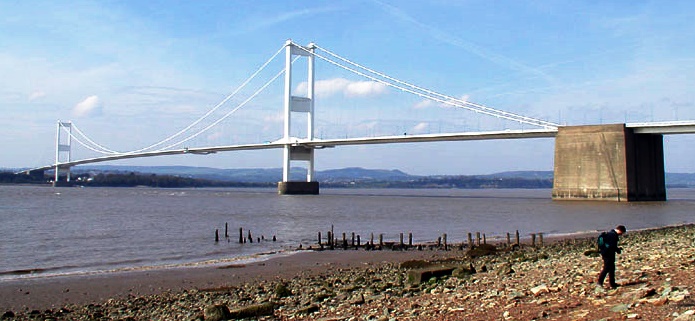
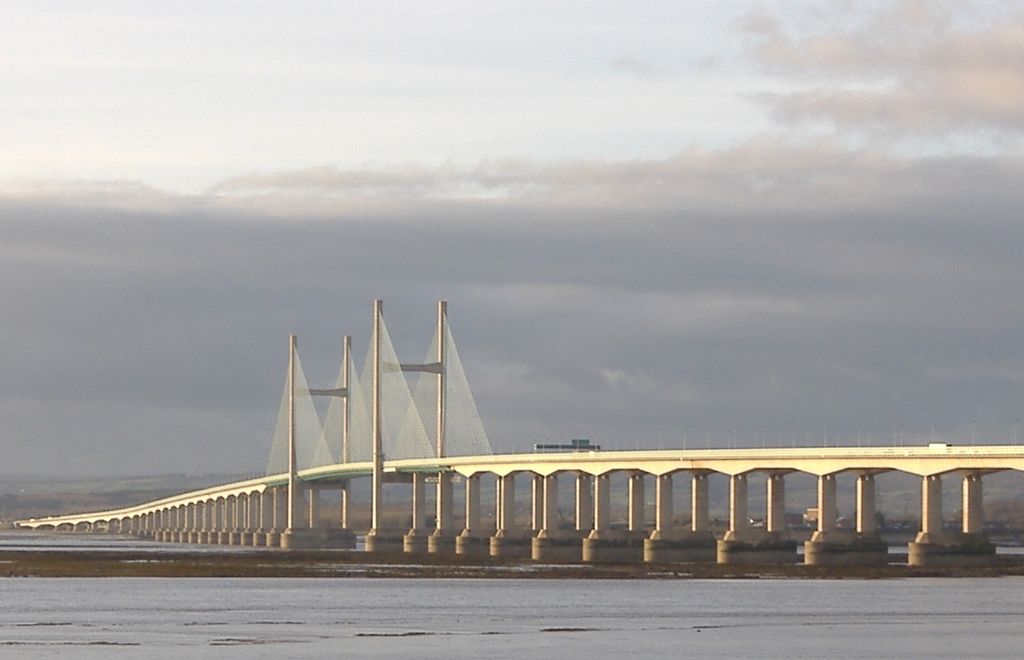

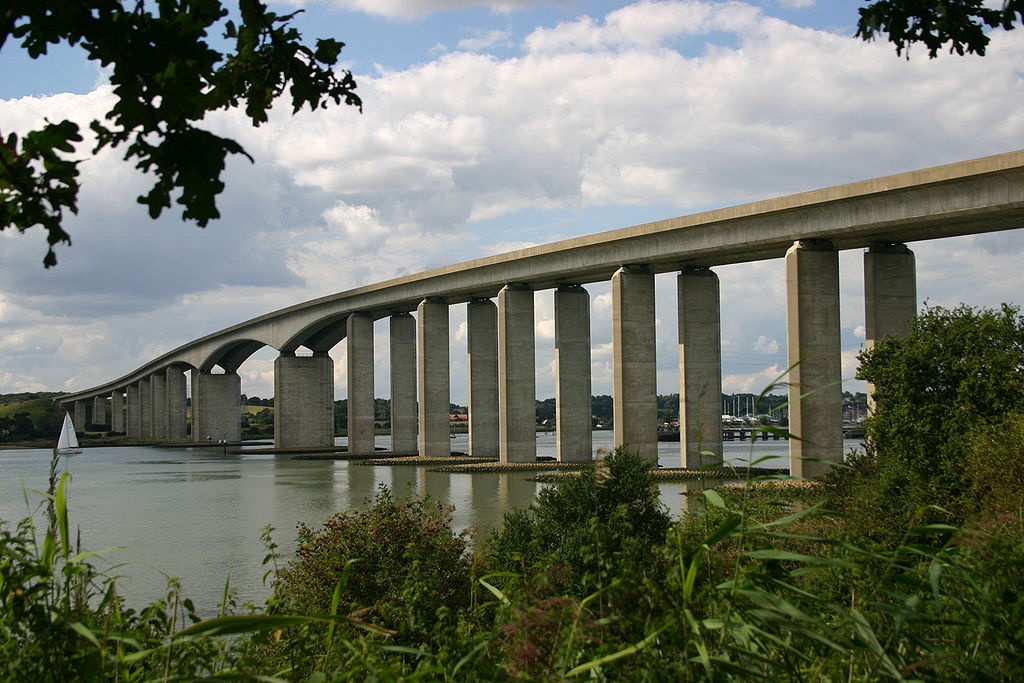
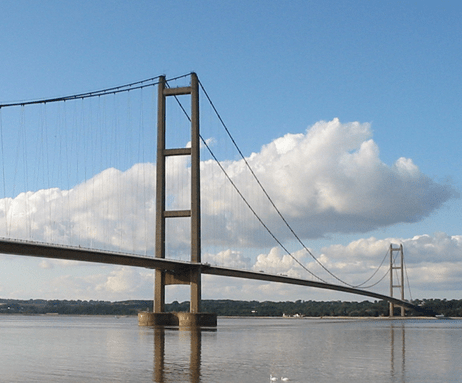
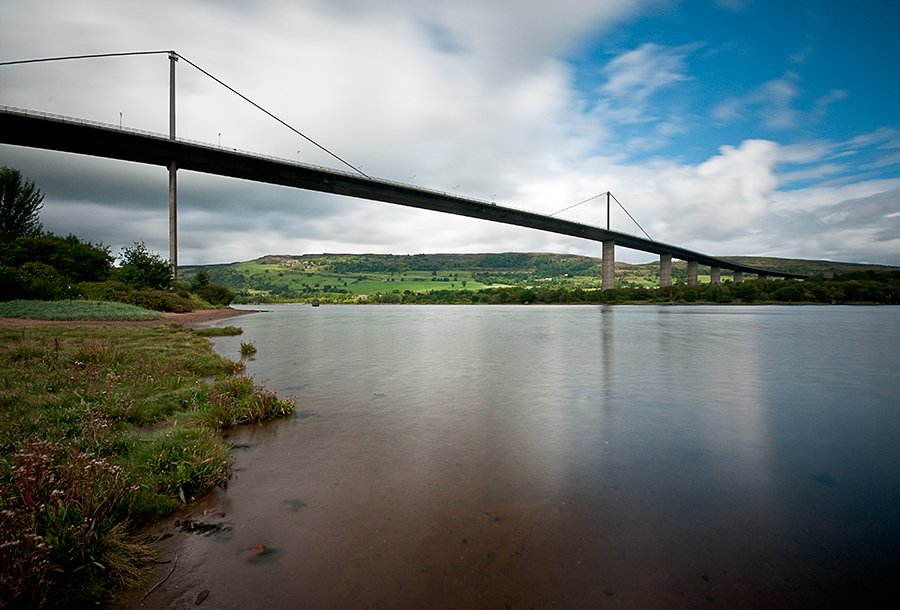


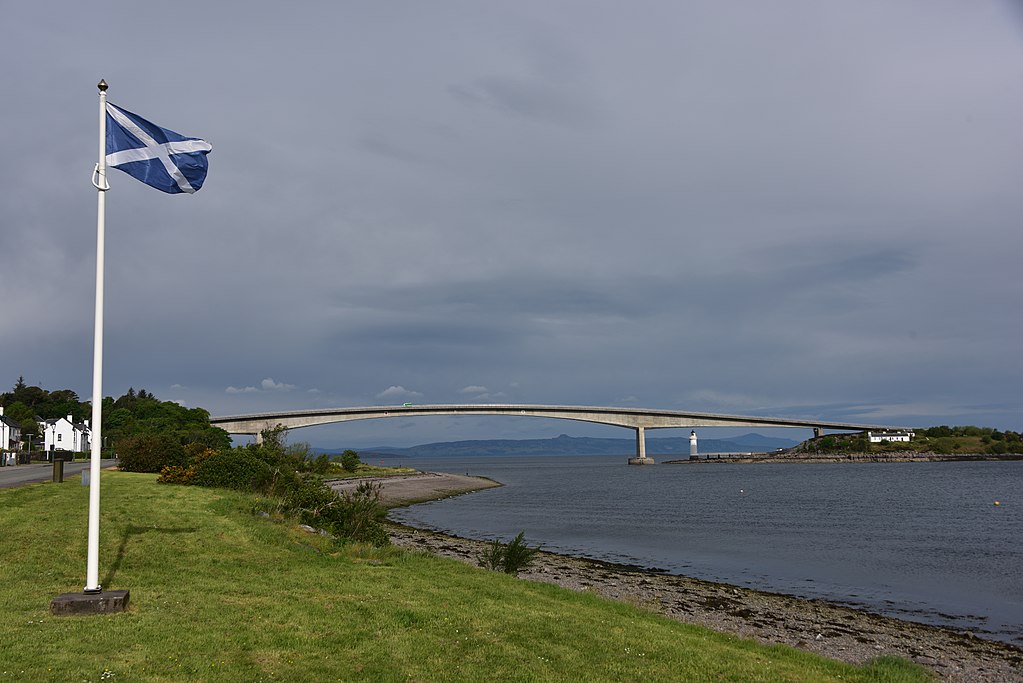
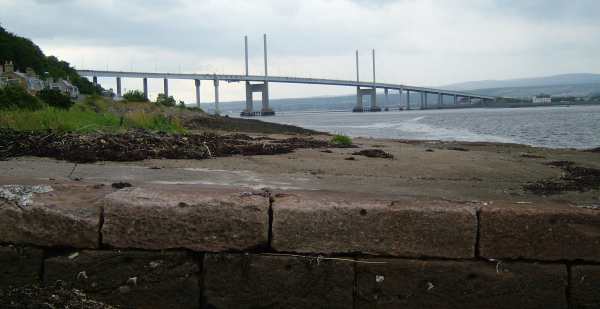


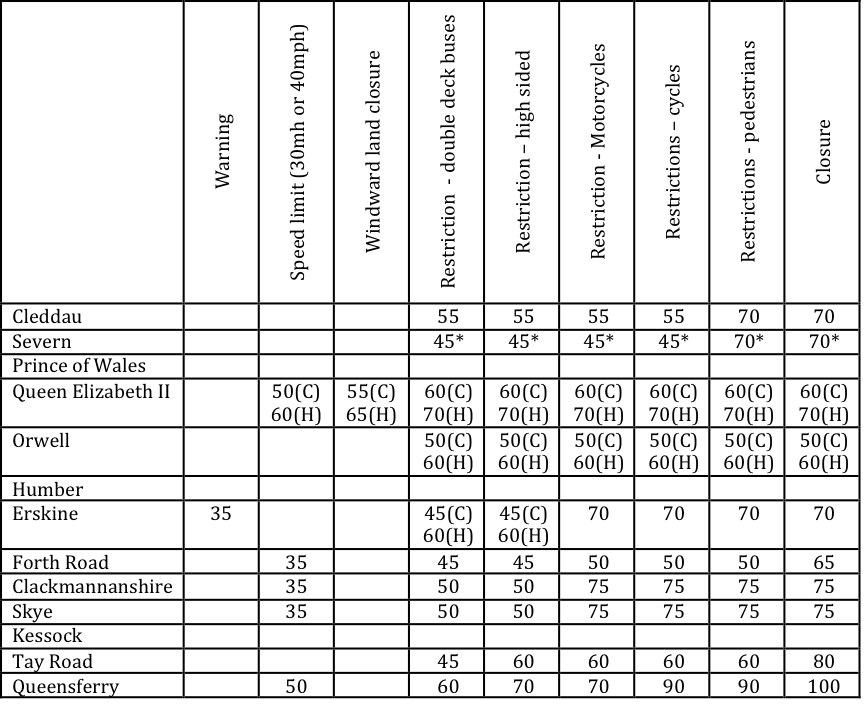

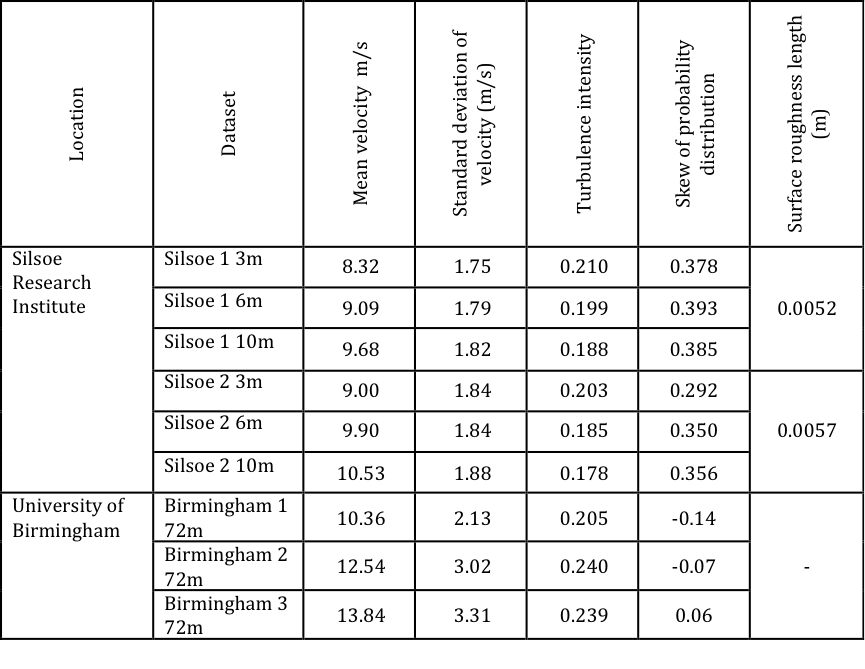
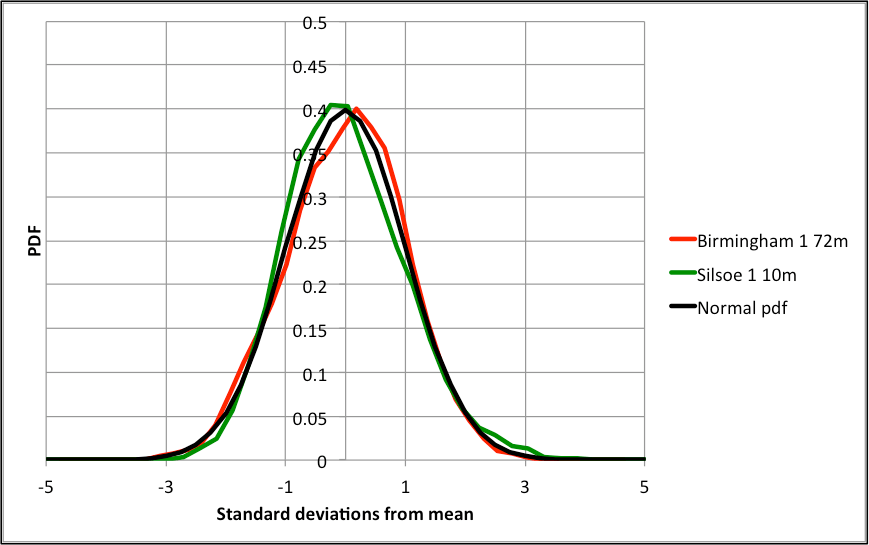
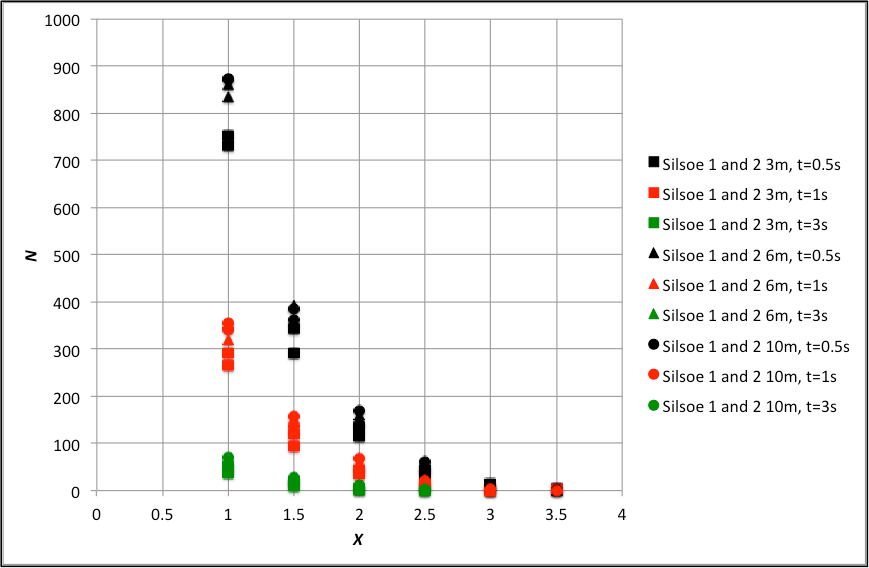
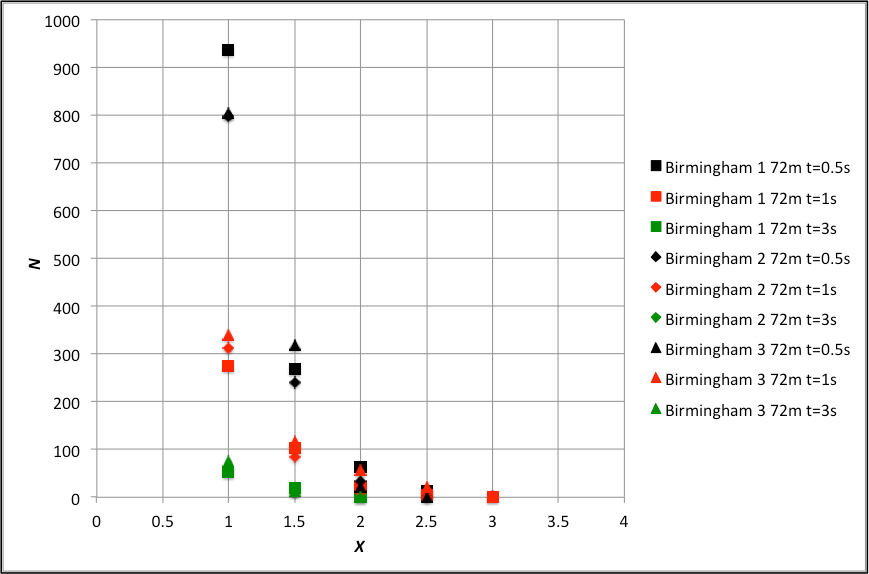
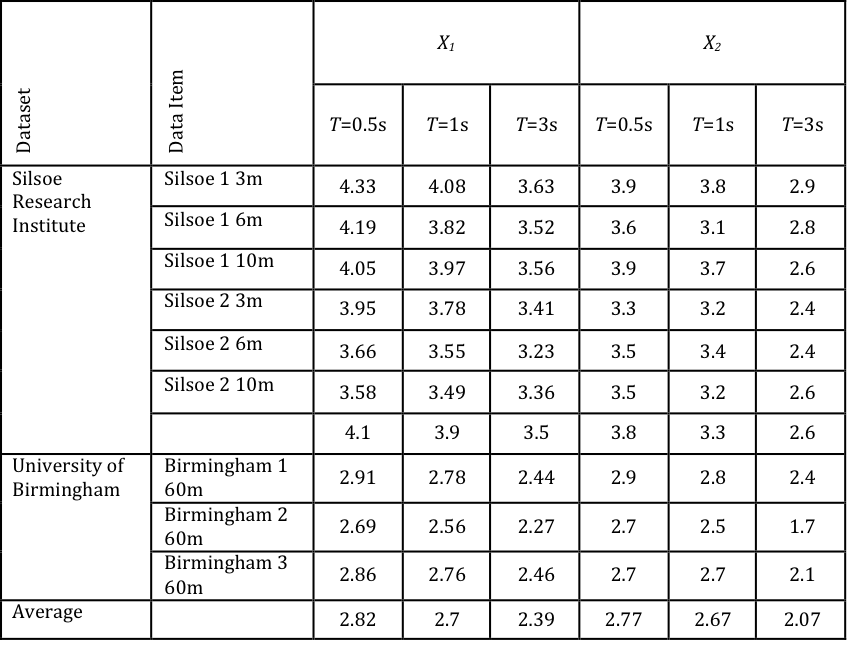
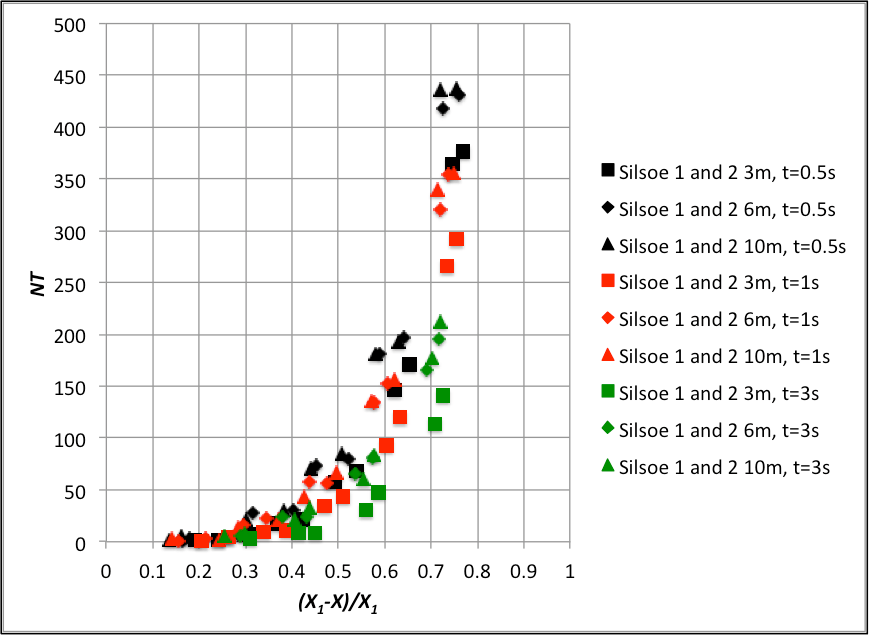
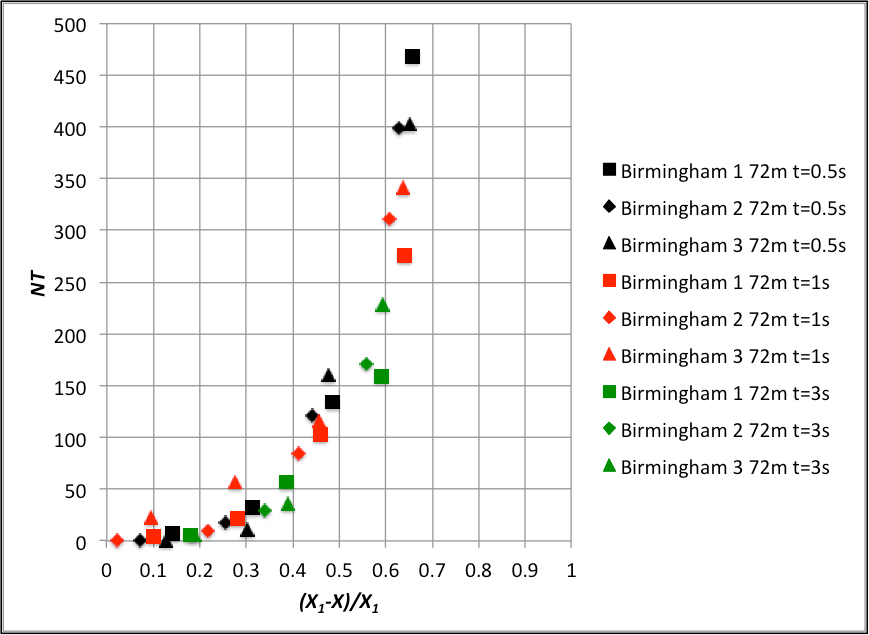
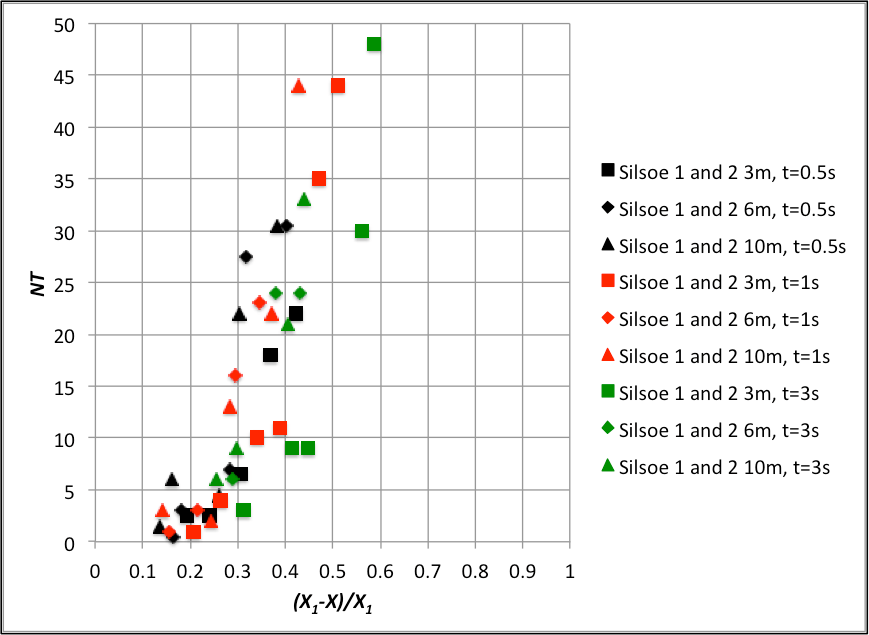
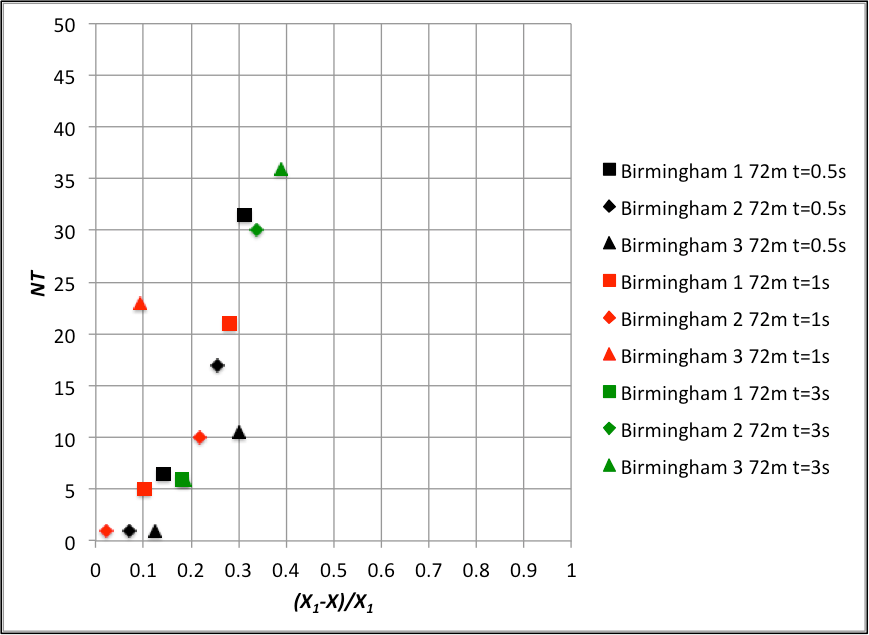

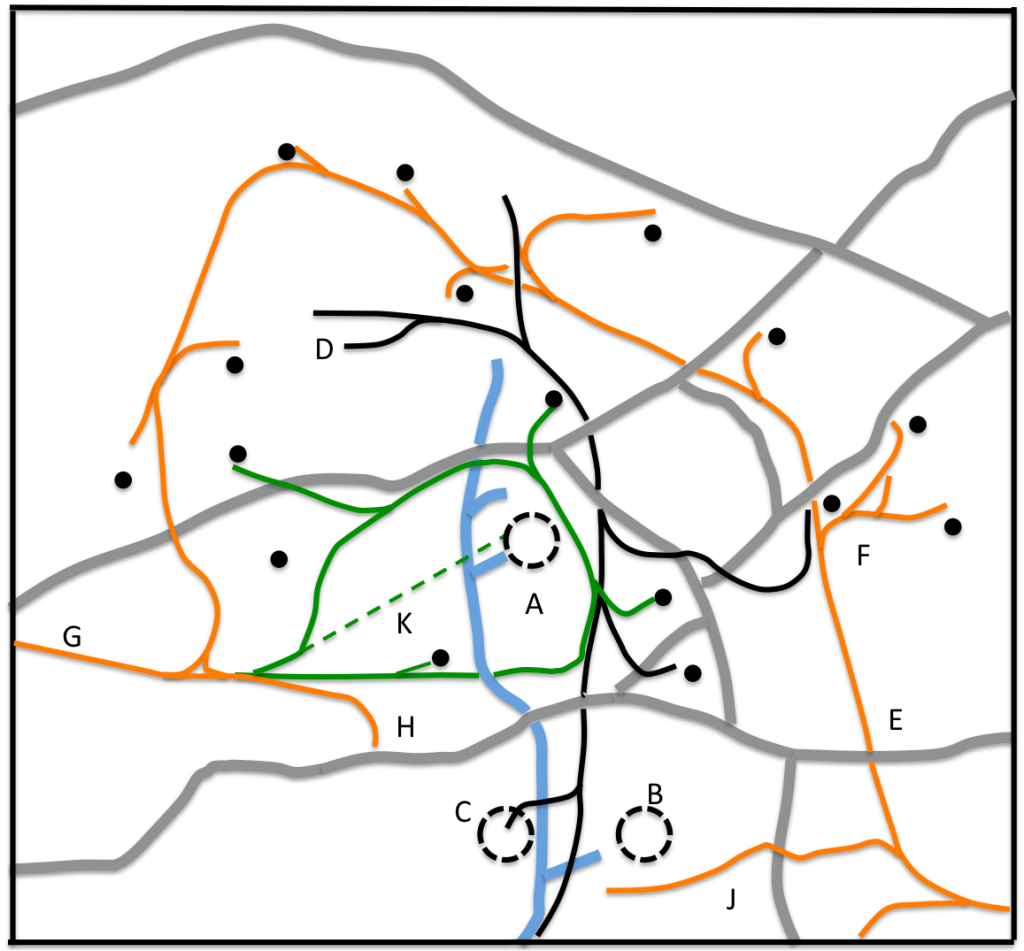


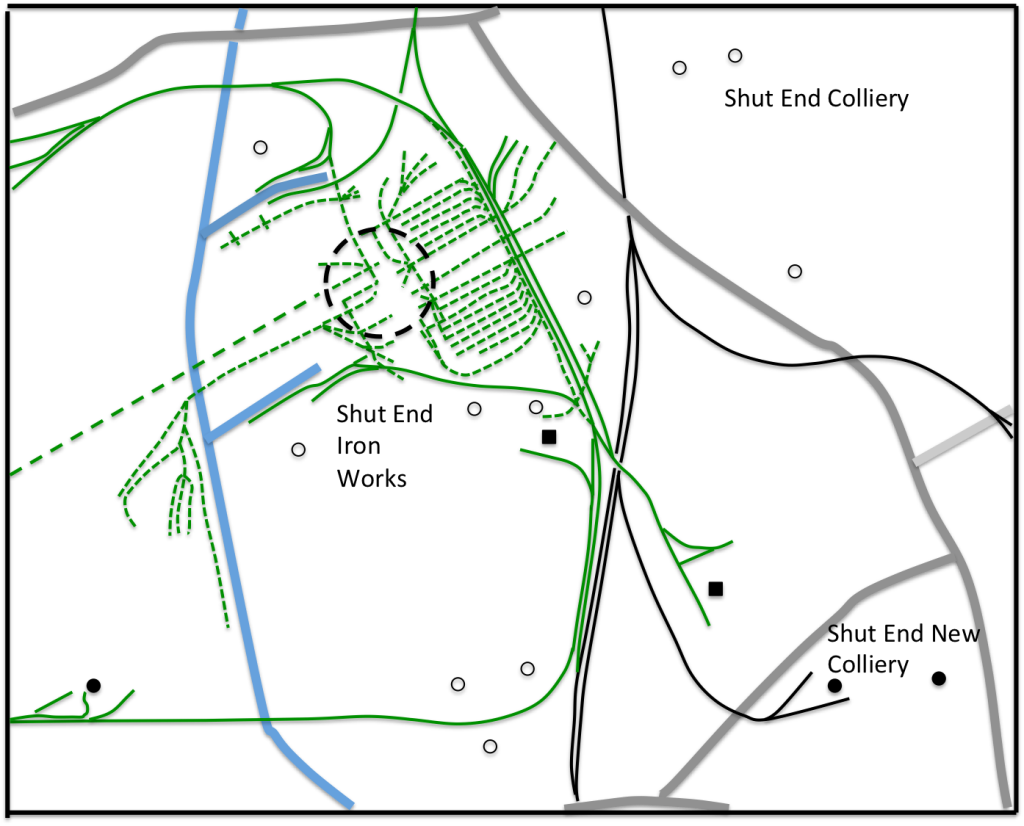


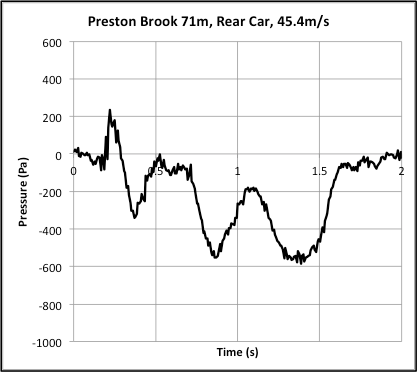
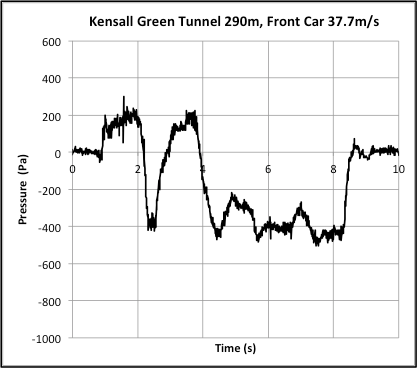


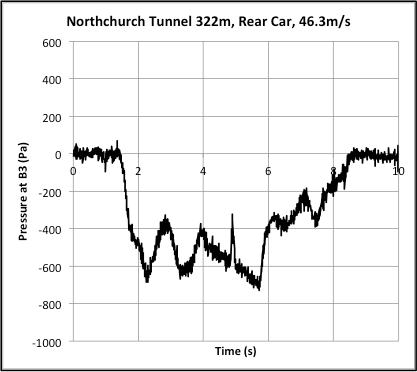

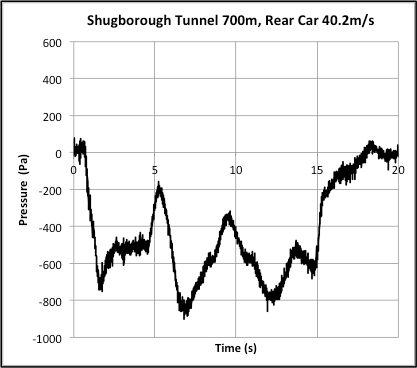
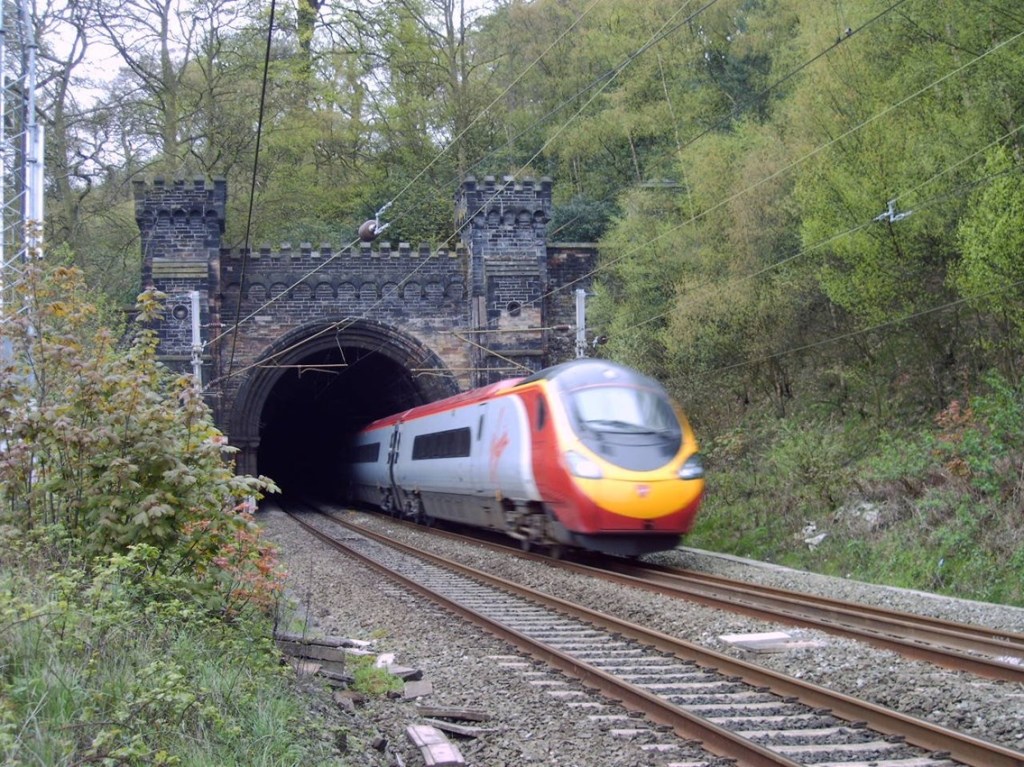
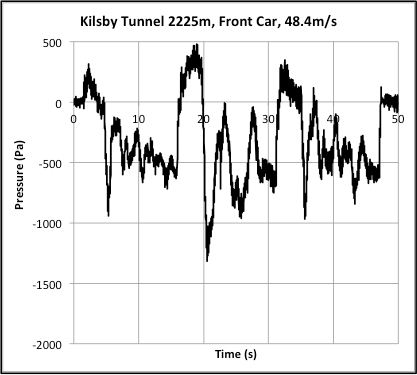


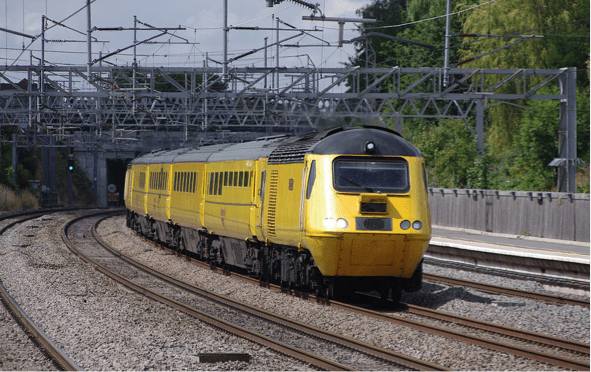

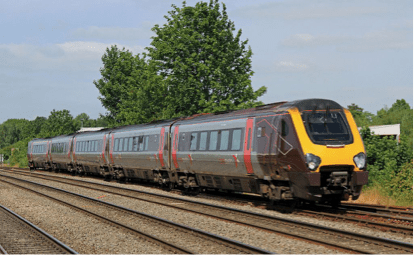
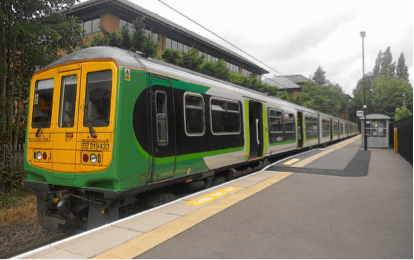
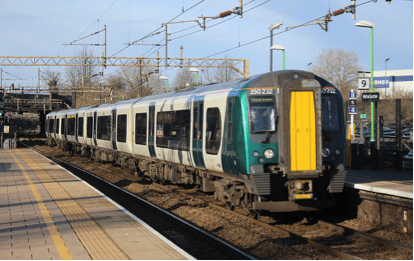


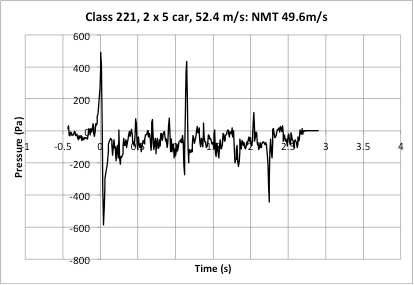

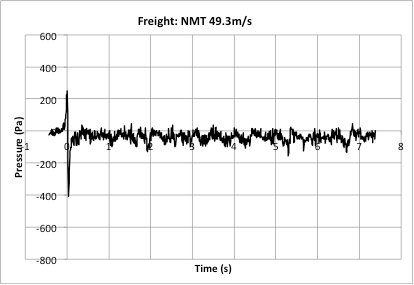
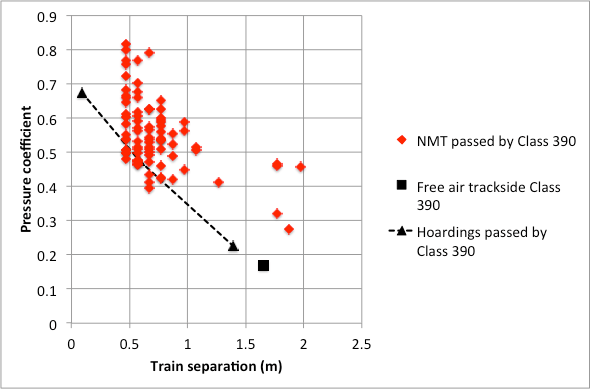

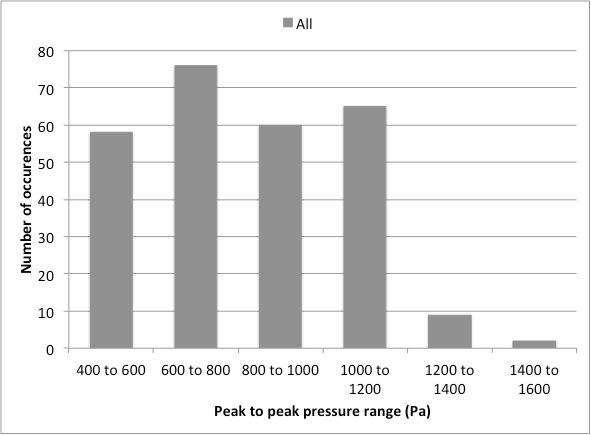

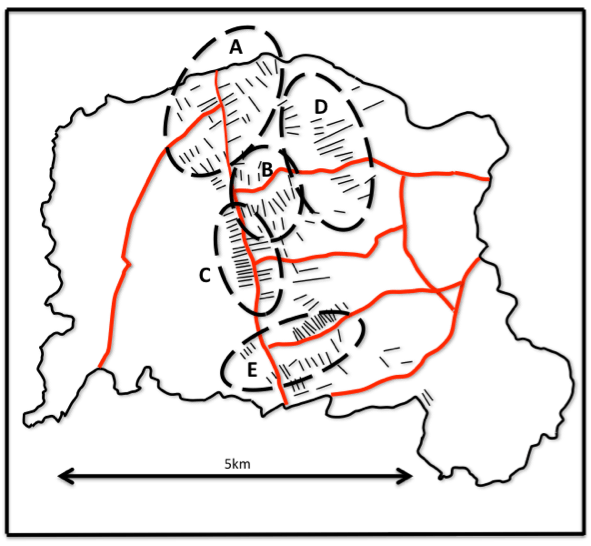

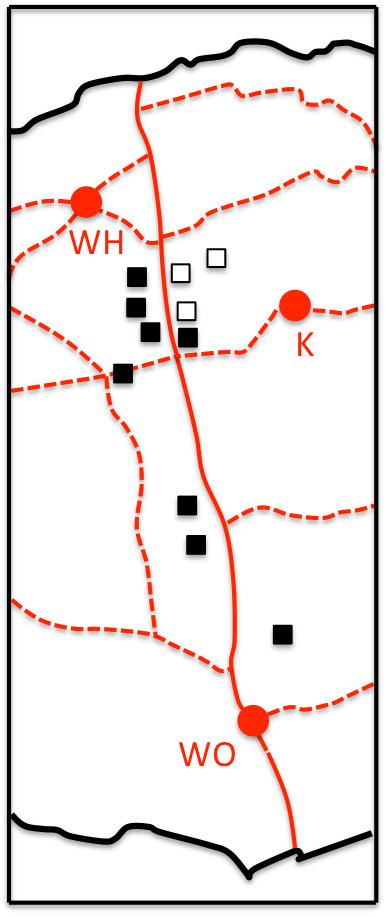


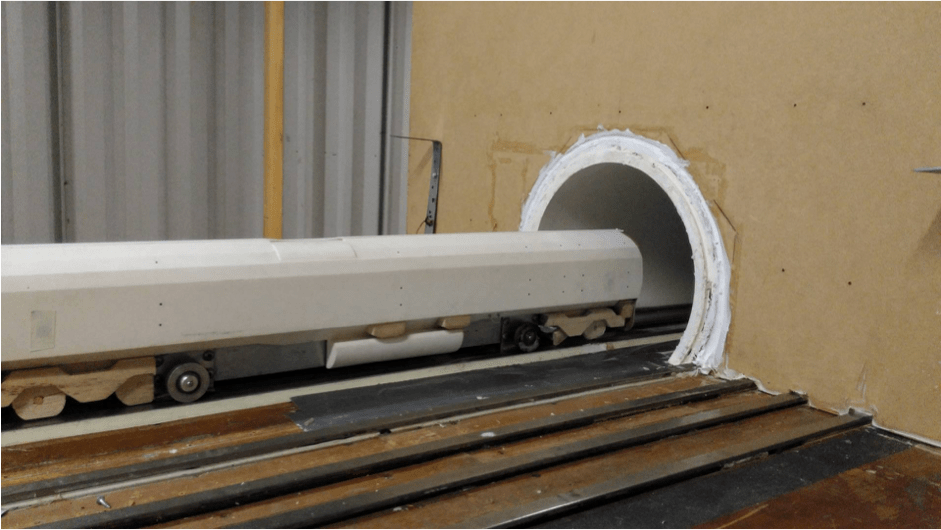
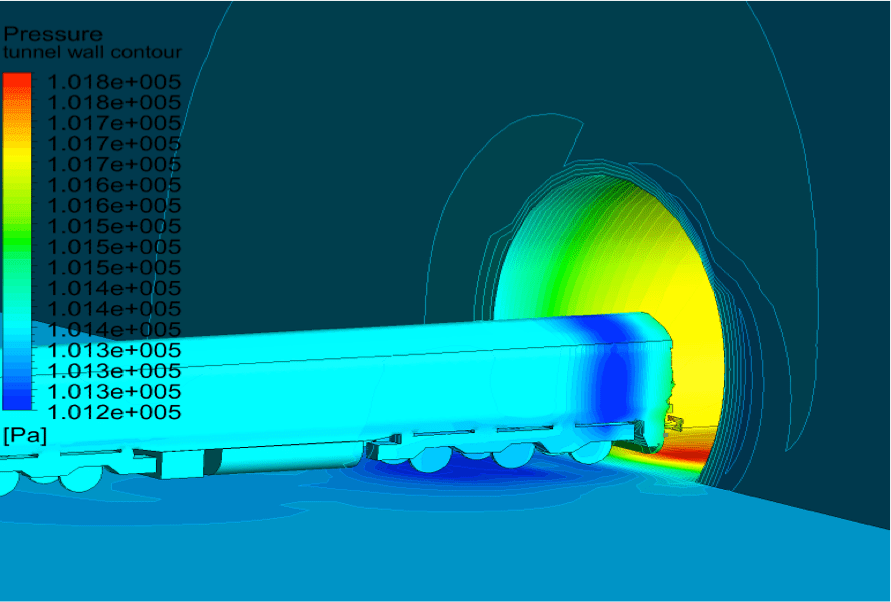

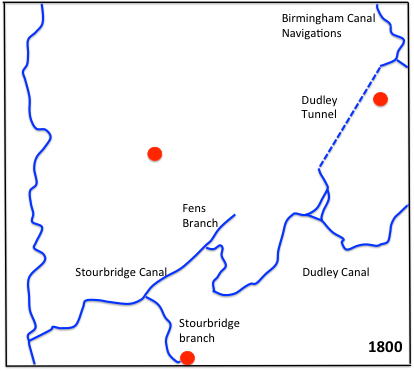
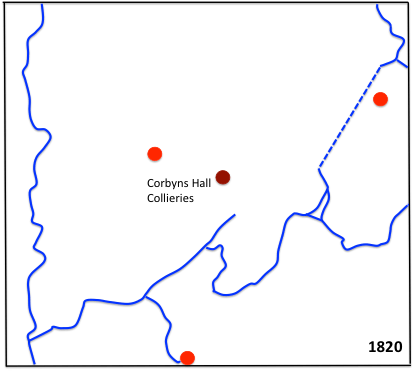
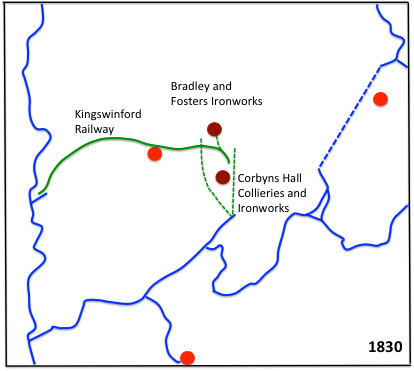


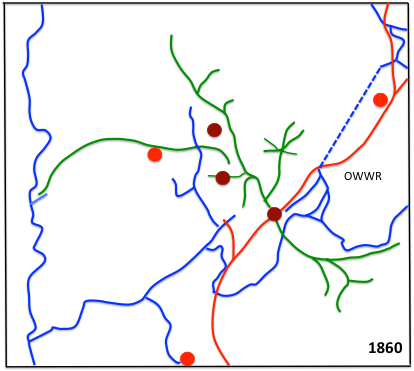

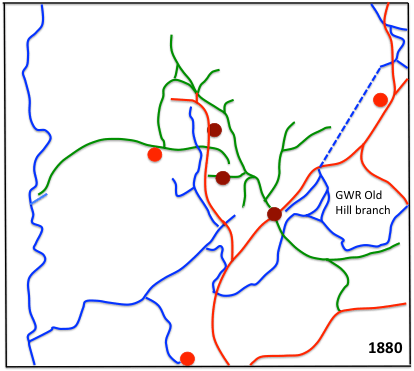
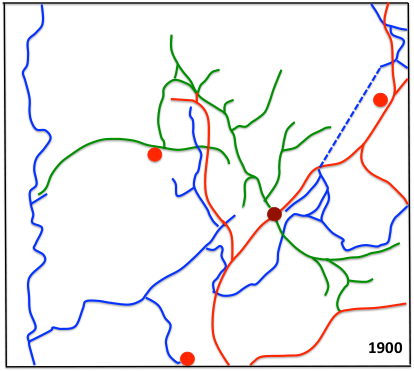

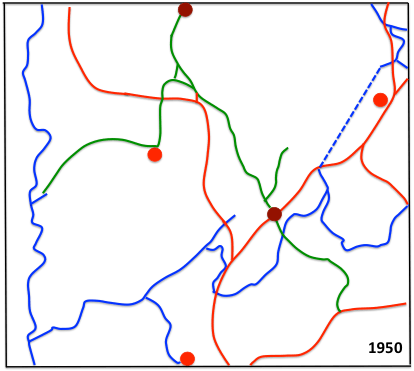
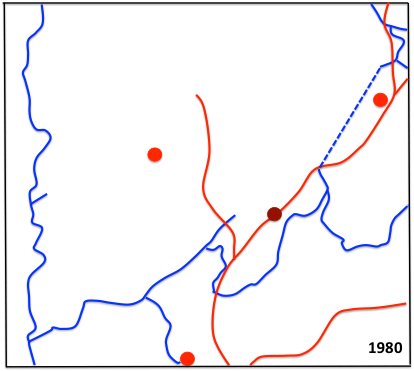
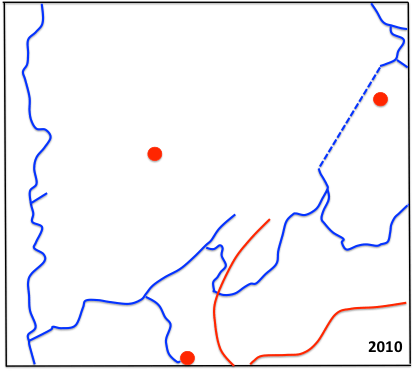

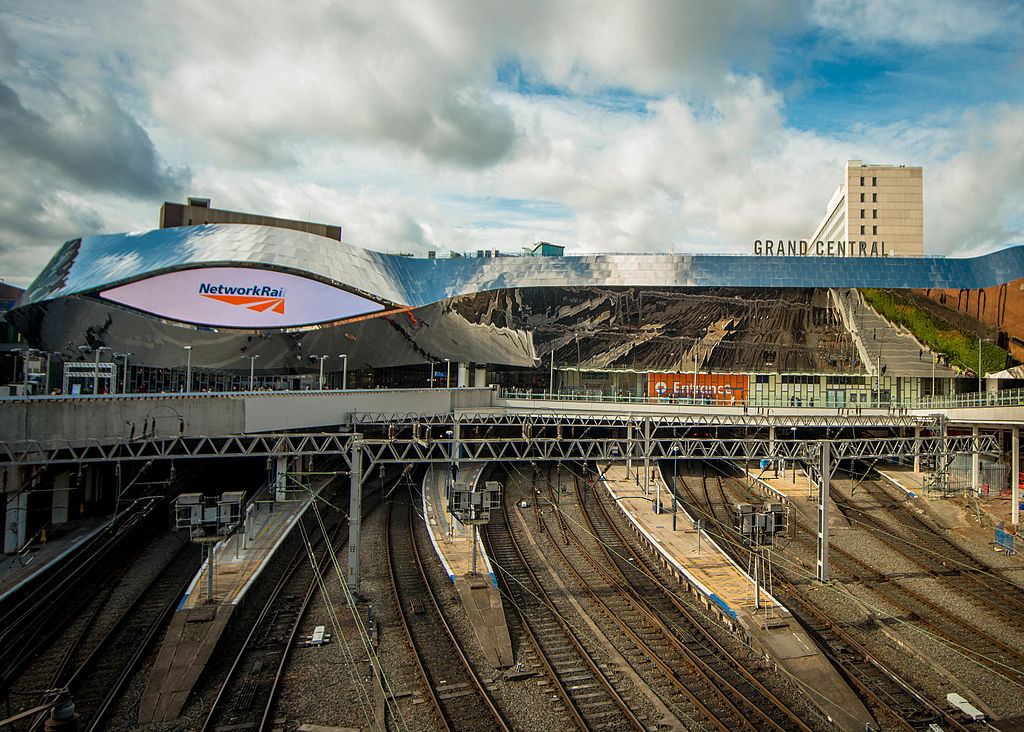
 Engineering, history and ecclesiology
